
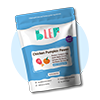
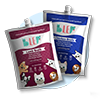
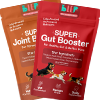
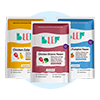







Taurine is not optional for cats; it is non-negotiable. Unlike dogs and most other mammals, cats cannot synthesise taurine in sufficient quantities from other amino acids. This means every milligram of taurine your cat needs must come directly from their diet, every single day. Taurine deficiency is not a minor inconvenience: it leads to irreversible blindness, dilated cardiomyopathy (an enlarged, weakened heart), reproductive failure, and impaired immune function. The good news is that taurine is naturally abundant in animal muscle meat, which is exactly why cats evolved as strict carnivores. The problem arises when cat food is heavily processed, plant-protein-heavy, or formulated with insufficient animal-sourced ingredients, causing taurine content to drop dangerously. BLEP cat food is made with human-grade animal protein as its primary ingredient, supplying taurine in its natural, most bioavailable form. Plus, taurine is also added to make sure there are no deficiencies.
Why does this matter?
-
Taurine is essential for normal retinal function in cats. The retina has one of the highest taurine concentrations of any tissue in the body. Taurine deficiency causes feline central retinal degeneration (FCRD), a progressive condition where the photoreceptor cells of the retina break down, leading to permanent blindness. This damage is irreversible once it occurs.
-
The heart is the other organ most vulnerable to taurine deficiency. Dilated cardiomyopathy (DCM) in cats is strongly associated with inadequate taurine intake. DCM causes the heart muscle to weaken and the chambers to enlarge, reducing the heart's ability to pump blood effectively. When caught early enough, some cases have shown partial recovery with taurine supplementation.
-
Taurine also plays critical roles in bile acid conjugation (fat digestion), immune system modulation, brain development in kittens, and reproductive health. A taurine-deficient cat may have reduced fertility, smaller litters, and kittens with developmental abnormalities.
What do vets generally agree on?
AAFCO mandates a minimum of 0.2% taurine on a dry matter basis in cat food. However, these are minimums, and the actual amount of taurine a cat needs depends heavily on the digestibility and processing of the food. High-heat processing significantly degrades taurine. Research confirms that taurine bioavailability drops substantially in extruded ultra-processed food compared to fresh or canned food. This is why cats fed even "complete" ultra-processed food can still become taurine-deficient over time: the taurine listed on the label may not be the taurine their body actually absorbs. Fresh cat food made with real animal protein (chicken, fish, turkey) naturally contains high, bioavailable taurine because animal muscle meat is rich in it.
When to be careful?
Plant-based or grain-heavy cat food formulations are particularly at risk of taurine deficiency, because taurine is found almost exclusively in animal tissue, not in plant ingredients. A vegetarian or vegan diet is biologically inappropriate for cats and clinically dangerous: cats are obligate carnivores and cannot thrive on plant protein, no matter how fortified. Beyond diet composition, cooking method matters. Taurine is water-soluble and heat-sensitive, meaning long cooking times and high temperatures reduce its content. Boiling meat and discarding the broth also discards a significant portion of its taurine. If you feed homemade food, taurine supplementation is essential and must be vet-supervised. Never assume a homemade cat diet is taurine-sufficient without explicit formulation by a veterinary nutritionist.
Sources:
-
National Library of Medicine: Taurine Deficiency and Dilated Cardiomyopathy in Cats
-
Journal of Nutrition: Taurine and Feline Retinal Degeneration
-
Merck Veterinary Manual: Nutritional Deficiencies in Cats
-
ScienceDirect: Assessment of taurine bioavailability in pelleted and extruded diets