








Food allergies happen when a dog's immune system mistakenly treats a normally harmless food protein as a threat. Instead of ignoring the ingredient, the immune system overreacts and triggers inflammation. This can lead to itchy skin, recurring ear infections, paw licking, vomiting, diarrhoea, or a combination of skin and digestive problems. Food allergies can develop even after a dog has eaten the same food for months or years. However, true food allergies are much less common than many pet parents think. In fact, environmental allergies (such as pollen or dust mites) and flea allergies are far more common causes of itchy skin in dogs.
Why does this matter?
Many pet parents assume that any itching or stomach upset is caused by food and start changing diets repeatedly. Unfortunately, this can make it harder to identify the real problem.
A true food allergy requires careful diagnosis because its signs are similar to those of environmental allergies, skin infections, and parasites. Finding the actual cause helps your dog receive the right treatment instead of unnecessary diet changes. In any case, frequent diet changes can actually exacerbate stomach problems.
What do vets generally agree on?
Veterinarians generally agree that there is no single ingredient that all dogs should avoid. While dogs can become allergic to proteins such as beef, chicken, dairy, wheat, or other ingredients, the trigger is different for every dog. The only reliable way to diagnose a food allergy is through a veterinarian-supervised elimination diet followed by a controlled food challenge. Blood, saliva, and skin allergy tests are not considered reliable for diagnosing food allergies in dogs.
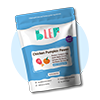
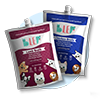
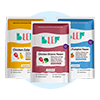
Feeding a complete and balanced diet such as BLEP dog food can help support overall skin, coat, and digestive health. It is rich in protein and omega 3 fatty acids, which help nourish the skin and coat. Targeted coat supplements for dogs may also help restore the skin barrier and reduce itching from within. However, changing to a new food alone is unlikely to cure itching if the underlying cause is environmental allergies, fleas, or another medical condition.
When to be careful?
If your dog has severe itching, repeated ear infections, persistent vomiting or diarrhoea, weight loss, or skin infections, don't try multiple over-the-counter diets on your own. A proper elimination diet must be followed strictly for several weeks under veterinary guidance. Even small amounts of treats, table scraps, flavoured medicines, or dental chews can interfere with the results.
Also remember that dogs can have both food allergies and environmental allergies at the same time, so identifying one does not automatically rule out the other.
Sources
-
https://mountainvetcare.com/benefits-of-omega-3-for-pets-skin-coat/
-
https://www.merckvetmanual.com/integumentary-system/food-allergy/cutaneous-food-allergy-in-animals
