







Water is one of the most important nutrients in your dog's diet. Every cell in the body needs it to function properly. It helps regulate body temperature, transport nutrients, aid digestion, lubricate joints, and remove waste through urine and faeces. If a dog doesn't drink enough water, or loses too much of it through panting, vomiting, diarrhoea, or hot weather, they can become dehydrated. Even mild dehydration may affect how the body functions, while severe dehydration can become a medical emergency. Dogs eating moisture-rich foods get some of their daily water needs from their meals. However, they should always have access to fresh, clean drinking water.
Why does this matter?
Dehydration can develop faster than many pet parents realise, especially during hot weather, after vigorous exercise, or when a dog is unwell. It can reduce blood flow to organs, upset the body's electrolyte balance, and make it harder for the kidneys to function normally.
Keeping your dog well hydrated supports healthy digestion, circulation, urinary health, and temperature regulation. It may also reduce the risk of concentrated urine, which can contribute to certain urinary problems in susceptible dogs.
What do vets generally agree on?
Veterinarians generally agree that every dog should have unrestricted access to fresh, clean water throughout the day. They also recommend feeding a complete and balanced diet while paying extra attention to hydration during hot weather, illness, travel, or periods of increased activity. Dogs eating fresh food often consume more moisture through their meals than dogs eating only dry food, although they still need access to drinking water.
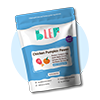
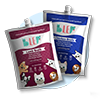
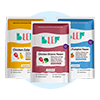
If your dog struggles to drink enough water, adding moisture to meals can help increase their overall fluid intake. Feeding a moisture-rich diet such as BLEP fresh dog food or adding BLEP bone broth for dogs as a meal topper, can be a simple way to encourage hydration alongside regular access to fresh water.
When to be careful?
If there’s a sudden change in the amount of water your dog is drinking (whether it be an increase or a decrease in amount) without any particular reason (for example, change in season or activity levels), do not ignore the signs. Excessive thirst or dehydration can sometimes be a sign of an underlying medical condition such as diabetes, kidney disease, hormonal disorders, or severe gastrointestinal illness.
If your dog has dry or sticky gums, sunken eyes, lethargy, repeated vomiting or diarrhoea, collapses, or cannot keep water down, seek veterinary care immediately. Severe dehydration usually requires prompt veterinary treatment and should not be managed at home.
Sources