







Dogs may sometimes develop diarrhoea or digestive upset during a food transition because sudden dietary changes can affect the balance of the digestive system and gut microbiome. A dog’s digestive tract adapts over time to its regular food, including specific protein sources, fat levels, fibre content, moisture levels, and ingredient composition. Rapidly switching to a different diet may temporarily overwhelm this adjustment process in some dogs.
Changes in ingredients, fat content, fibre levels, processing methods, or feeding routines can all influence stool consistency and digestion. Some dogs may be more sensitive than others, particularly those with existing digestive sensitivities, food intolerances, stress, or underlying gastrointestinal conditions.
Mild temporary stool changes can sometimes occur during transitions, but gradual food introduction is generally recommended to help reduce digestive stress and allow the body to adapt more comfortably to the new diet.
Why does this matter?
• Sudden diet changes may temporarily disrupt digestion and stool consistency.
• Dogs often require time to adjust to new ingredients, protein sources, or fat levels.
• Gradual transitions may help reduce digestive upset during food changes.
• Digestive sensitivities can vary significantly between individual dogs.
• Monitoring stool quality can help assess how a dog is tolerating a new food.
What do vets generally agree on?
Veterinary nutrition experts generally agree that most food transitions should be introduced gradually over several days rather than changed abruptly. Slowly mixing increasing amounts of the new food with the previous diet may help support digestive adaptation and reduce the likelihood of diarrhoea or vomiting.
Experts also commonly note that some temporary stool changes may occur during transitions, especially when moving between foods with different ingredient profiles or moisture levels. However, persistent diarrhoea, vomiting, appetite loss, lethargy, or blood in stool should not be ignored.
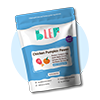
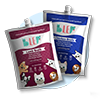
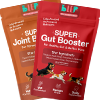
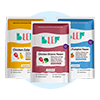
Gradual transitions are often recommended when introducing fresh-style diets such as BLEP fresh dog food. For more information on how to do a proper diet transition, check out the BLEP Feeding Guideline page.
When to be careful?
Pet parents should be cautious about making abrupt food changes, especially in dogs with sensitive stomachs, chronic digestive issues, pancreatitis history, or food intolerances. Introducing multiple new foods or treats simultaneously may also make it harder to identify the cause of digestive upset.
Persistent diarrhoea, repeated vomiting, dehydration, weakness, abdominal pain, or refusal to eat may indicate more serious medical concerns and should ideally be evaluated by a veterinarian. Puppies, senior dogs, and medically vulnerable dogs may also be at higher risk of complications from dehydration.
Monitoring stool quality, appetite, hydration, energy levels, and overall behaviour during food transitions can help determine whether a dog is adapting appropriately to the new diet.
Sources: