








Hydration is essential for almost every function in your cat's body. Water helps regulate body temperature, transport nutrients, support digestion, lubricate joints, and remove waste products through the kidneys and urinary tract. While every cat should always have access to fresh drinking water, hydration doesn't have to come from the water bowl alone. The moisture present in food also contributes significantly to a cat's daily fluid intake. This is because, unlike dogs, cats naturally have a low thirst drive, so they often don't drink enough water on their own. This is one reason why feeding moisture-rich food can be an effective way to increase their daily water intake.
Why does this matter?
-
Good hydration supports healthy kidney function and helps produce more dilute urine, which may reduce the risk of urine becoming overly concentrated. This is particularly important because cats are naturally predisposed to urinary problems such as feline lower urinary tract disease (FLUTD) and are also at increased risk of chronic kidney disease as they age.
-
Even mild dehydration can affect digestion, energy levels, and overall wellbeing. Since cats don't always compensate by drinking more water, increasing moisture intake through their diet can be a practical way to support long-term health.
What do vets generally agree on?
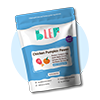
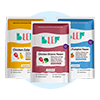
Veterinarians generally recommend encouraging cats to consume more water, particularly if they primarily eat dry food or have a history of urinary tract problems. Feeding moisture-rich meals like BLEP fresh cat food is one of the most effective ways to increase daily fluid intake because many cats naturally consume more water through food than by drinking. This comes from their desert-dwelling wild ancestors, whose major source of water was from the prey they would hunt.
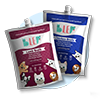
Other simple strategies such as placing multiple water bowls around the house in quiet corners, using a cat water fountain to give them running water, and keeping water fresh and their water bowl clean every day may also encourage better hydration. You can also serve them BLEP bone broths for cats as a drink. These are packed with nutrients; have a rich, meaty aroma; and are very hydrating.
When to be careful?
If your cat suddenly starts drinking much more or much less water than usual, pay attention. Changes in water intake can be associated with medical conditions such as chronic kidney disease, diabetes mellitus, hyperthyroidism, or urinary tract disease.
Likewise, signs such as straining to urinate, frequent trips to the litter box, blood in the urine, vomiting, lethargy, or refusing food require prompt veterinary attention. These conditions cannot be treated by simply increasing water intake, although maintaining good hydration remains an important part of overall health.
Sources
-
https://partnersvetavl.com/why-dehydration-is-so-common-in-cats/
-
https://www.vin.com/apputil/content/defaultadv1.aspx?id=4252806&pid=11290&print=1
-
https://www.waltham.com/news-events/nutrition/cats-can-benefit-from-increased-dietary-moisture