









Key Takeaways:
-
Pet first aid is not a replacement for veterinary care but a critical bridge to stabilise dogs, prevent further injury, and buy valuable time until professional help becomes available.
-
A prepared first aid kit containing gauze, bandages, tweezers, thermometer, saline, muzzle, and saved emergency vet contacts can make the crucial difference during unexpected emergencies.
-
For snake bites, keeping the dog still and carrying rather than walking them is essential, as movement accelerates venom spread, while tourniquets, ice, and venom-sucking cause additional harm.
-
Heatstroke must always receive veterinary assessment even when dogs appear to recover, as it causes serious internal complications that are invisible without professional examination.
-
Approaching injured dogs requires extreme caution regardless of temperament, as pain and fear can cause even gentle dogs to bite, making muzzling essential before touching any painful area.
Accidents can happen when you least expect them. A cut during a walk, a sudden burn, choking on a toy, or accidentally eating something dangerous can quickly turn into an emergency.
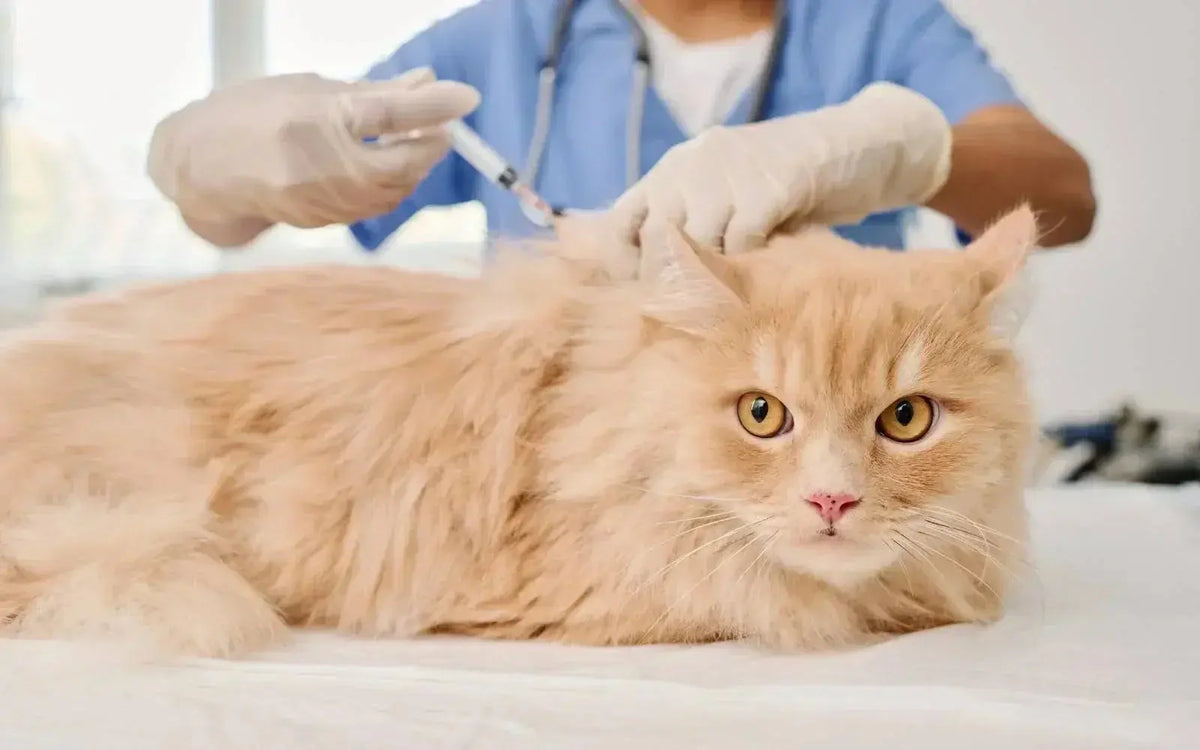
Knowing a few basic pet first aid tips can help you stay calm and take the right first steps while you arrange veterinary care for your dog. First aid is not a replacement for a veterinarian. Its purpose is to stabilise your dog, prevent further injury, and buy valuable time until professional help is available.
Here are a few tips that may help you manage the initial stage of an emergency:
Quick reference: what to do first
|
Situation |
Do this now |
Go to the vet |
|
Heavy bleeding |
Firm pressure with clean cloth |
Immediately |
|
Choking |
Check mouth, remove visible object |
Even if resolved |
|
Burns |
Cool with running water |
If large, deep, or facial |
|
Ate something toxic |
Call your vet, keep the packaging |
Immediately |
|
Heatstroke signs |
Move to shade, cool with room temp water |
Immediately |
|
Snake bite |
Keep still and calm, carry if possible |
Immediately, call ahead |
|
Insect sting |
Scrape out stinger, watch for swelling |
If face or breathing affected |

1. Keep a dog first aid kit ready
The best time to prepare a dog first aid kit is before you need it.
Keep the kit somewhere that is easy to access and check it regularly to replace expired or used items. Some useful supplies include:
-
Sterile gauze pads
-
Non-stick bandages
-
Adhesive medical tape
-
Clean towels
-
Disposable gloves
-
Tweezers
-
Blunt-ended scissors
-
A digital thermometer
-
Saline solution for rinsing wounds
-
A clean blanket or towel for safely moving an injured dog
-
A muzzle for safety
-
Your veterinarian's contact details
-
Your dog's medical records and medication information
You should also save the contact details and address of a nearby emergency veterinary hospital in your phone. Having this information ready can save precious time during an emergency.
2. Know what to do if your dog is bleeding
Minor cuts can sometimes be managed temporarily at home, but heavy bleeding is an emergency.
If your dog has an external wound that is bleeding:
-
Stay calm and keep your dog as still as possible.
-
Use clean gauze or a clean cloth to apply firm, steady pressure to the wound.
-
Avoid repeatedly lifting the cloth to check whether the bleeding has stopped.
-
Contact your veterinarian and arrange professional care.
If the bleeding is severe, does not stop, or your dog appears weak, pale, or distressed, go to an emergency veterinary hospital immediately.
Be careful when approaching an injured dog. Pain and fear can cause even a normally gentle dog to bite. Use the muzzle in the dog first aid kit before moving them.

3. Learn the basics of dog choking first aid
Dog choking first aid is one of the most important emergency skills a pet parent can learn.
Signs of choking can include frantic behaviour, pawing at the mouth, loud or difficult breathing, gasping, and blue or white gums.
If your dog is choking and you can clearly see an object in the mouth, carefully try to remove it without pushing it deeper. Be extremely cautious because a frightened dog may bite.
If the obstruction cannot be removed, emergency choking techniques such as abdominal thrusts or back blows may be required. These techniques can cause injury if performed incorrectly, so learning them from a qualified pet first aid course is strongly recommended.
Even if the object comes out and your dog seems fine, contact a veterinarian immediately. Choking can cause complications, including fluid entering the lungs.
4. Treat burns carefully
Burns can happen from hot surfaces, boiling liquids, cooking equipment, chemicals, or other heat sources.
Move your dog away from the source and prevent further exposure. For a minor thermal burn, gently cool the affected area with cool, running water. Do not use ice directly on the skin.
Do not apply household creams, butter, oils, or other home remedies unless specifically recommended by a veterinarian.
Large, deep, chemical, electrical, or facial burns require prompt veterinary attention. When in doubt, have the injury assessed by a veterinarian.

5. Know what to do if your dog eats something toxic
If you think your dog has eaten something poisonous, do not wait for symptoms to appear.
Remove your dog from the substance and contact your veterinarian or an appropriate veterinary poison service immediately. Some toxic substances can cause delayed symptoms, so a dog appearing normal does not necessarily mean they are safe.
Keep the packaging, label, medication strip, plant sample, or any other information about the substance. Your veterinarian may need to know exactly what your dog consumed, how much, and when.
Do not make your dog vomit or give home remedies unless a veterinary professional specifically tells you to do so.
6. Snake bites
India has a high snakebite rate, and dogs exploring gardens or on walks are at real risk. Keep your dog still and calm, carry them rather than letting them walk, since movement speeds venom spread. Don't apply a tourniquet, ice, or try to suck out venom, these outdated methods cause more harm than good.
Call your vet or nearest emergency clinic on the way so they can prepare, and ask if they stock antivenom. Try to memorise as much as you can of the snake if you have seen it, so you can tell the vet.
7. Insect stings
Most bee or wasp stings cause mild swelling that settles in a day. If a stinger is visible, scrape it out sideways with a card rather than pulling with tweezers, which can squeeze more venom in. A cool compress helps. Watch closely if the sting is on the face, mouth, or throat, and seek immediate care for difficulty breathing, vomiting, or collapse. Ask your vet about an antihistamine dose in advance, rather than guessing during the emergency.
8. Respond quickly to heat-related emergencies
Indian summers can be particularly dangerous for dogs. Heatstroke can become life-threatening very quickly.
Warning signs can include excessive panting, weakness, difficulty standing, confusion, vomiting, seizures, or collapse.
Move the dog away from the heat immediately and begin cooling while arranging urgent veterinary care. Use cool or room-temperature water and ventilation rather than very cold water or ice, and contact a veterinarian immediately.
Do not leave a heatstroke case to recover at home simply because your dog starts appearing better. Heatstroke can cause serious internal complications that require veterinary assessment.
Prevention is even better: provide shade and water, avoid strenuous exercise during peak heat, and never leave your dog inside a parked car. Dehydration is a big risk during the summer so fresh dog food with a high moisture content and bone broths for dogs that contain zero salt, sugar or spices can help. You can also freeze the bone broth into cubes and give it to your dog as treats.

9. Vomiting or diarrhoea: emergency or wait and see
A single episode in an otherwise bright, active dog often isn't an emergency, withhold food briefly and offer water. Treat it as urgent if there's blood, repeated vomiting, lethargy, a bloated belly, known toxin exposure, or a puppy or senior dog, since they dehydrate faster.
10. Approach and handle an injured dog safely
Pain and fear can make even a gentle dog snap. Approach slowly, speak calmly, and avoid sudden movement or reaching over the head. Muzzle before touching a painful area, unless your dog is struggling to breathe. For larger dogs, a towel or blanket sling helps move them without pressing on an injury.
Normal vital signs to know
|
Vital sign |
Normal range |
|
Temperature |
100 to 102.5°F |
|
Heart rate (adult) |
60 to 140 bpm |
|
Heart rate (puppy) |
120 to 160 bpm |
|
Breathing rate |
15 to 30 breaths per minute |
Know when first aid is not enough
One of the most important pet first aid tips is knowing when to stop trying to manage the situation yourself.
Seek emergency veterinary care immediately if your dog has:
-
Difficulty breathing
-
Loss of consciousness
-
Seizures
-
Severe bleeding
-
Pale or blue gums
-
Suspected poisoning
-
Severe trauma
-
Collapse
-
Suspected heatstroke
-
Serious choking
If your dog is unconscious and not breathing, pet CPR may be necessary. However, CPR is a skill that is best learned through hands-on training rather than from reading instructions during an emergency.
Save your vet's number and nearest 24 hour clinic's address before you need them, a quick search for "24 hour vet near me" helps you find one in advance.
Frequently Asked Questions
What is pet first aid?
Pet first aid is the immediate care given to an animal during an injury or emergency before professional veterinary treatment is available. It is intended to stabilise the pet and prevent the situation from getting worse.
What should be in a dog first aid kit?
A basic kit can include sterile gauze, non-stick bandages, medical tape, gloves, clean towels, tweezers, blunt scissors, saline, a thermometer, and your veterinarian's contact information.
What should I do if my dog is choking?
If you can safely see and remove the object, carefully remove it without pushing it deeper. If the obstruction remains, emergency choking techniques may be required. Seek veterinary care immediately even if the object is successfully removed.
Can I give my dog human medicine during an emergency?
Do not give your dog human medication unless a veterinarian specifically instructs you to. Some medicines that are safe for people can be dangerous or toxic to dogs, such as human doses of paracetamols.
Should I make my dog vomit if they eat something poisonous?
No. Do not induce vomiting unless a veterinarian or veterinary poison professional specifically tells you to. The appropriate response depends on what was swallowed and the dog's condition.
When should I take my dog to an emergency veterinarian?
Difficulty breathing, severe bleeding, seizures, collapse, loss of consciousness, serious choking, suspected poisoning, heatstroke, and major trauma all require urgent veterinary attention.
Is a dog first aid kit enough for an emergency?
No. A first aid kit is only for immediate support. It does not replace veterinary diagnosis or treatment. Every pet parent should also have an emergency veterinary contact and know where the nearest emergency clinic is.
Can I learn dog CPR and first aid?
Yes. Hands-on pet first aid and CPR courses can teach you how to respond to emergencies more safely and confidently. The American Red Cross also offers pet first aid resources and training.
Looking to explore more tips on how to look after your furry friend? Check out our other guides like Can Dogs Eat Apples?, Can Dogs Eat Blueberries?, Dog Food for Weight Loss, Raw v/s cooked meat for dogs, Home Remedies to cure tick fever, Finding Good Dog Food in India, How many times should I feed my dog?, Things you should do to keep your pet healthy, Types of Dog Food, How Prebiotics and Probiotics can improve your dog's digestion, Essential Tips for a New Dog Parent, and others. Each guide is designed to help you make better food and care choices for your dog, to keep them happy, healthy, and thriving.
Resources
American Red Cross. First Aid for Dogs. https://www.redcross.org/take-a-class/resources/learn-pet-first-aid/dog
ASPCA. Emergency Care for Your Pet. https://www.aspca.org/pet-care/general-pet-care/emergency-care-your-pet
VCA Animal Hospitals. First Aid for Insect Stings in Dogs. https://vcahospitals.com/know-your-pet/first-aid-for-insect-stings-in-dogs
Snake Helpline India. First Aid for Snakebite. https://snakehelpline.com/snake-bite/first-aid/
National Health Mission, Government of India. Management of Snake Bite Guidelines. https://nhm.gov.in/images/pdf/guidelines/nrhm-guidelines/stg/Snakebite_Full.pdf
American Red Cross. Normal Dog Temperature, Heart and Breathing Rate. https://www.redcross.org/take-a-class/resources/learn-pet-first-aid/dog/normal-temperature-heart-breathing-rate