







Key Takeaways:
-
Dogs need different food types based on their age, breed, health condition, and activity level.
-
Wet food is hydrating, soft, and suitable for picky eaters, puppies, and senior dogs, but it is more expensive and less convenient to store.
-
Dry food is affordable, easy to store, and supports dental health, but it contains less moisture and may include fillers in some brands.
-
Raw food offers natural nutrients and may improve coat and digestion, but it requires careful handling due to bacterial risks.
-
Homemade food gives full control over ingredients and helps dogs with allergies, though it can be time-consuming and difficult to balance nutritionally.
-
Proper nutrition is essential for immunity, weight management, digestion, coat health, and overall well-being in dogs. That’s why 100% natural fresh dog food that’s gently cooked and made with wholefood ingredients gives the most complete and balanced meal to dogs.
Did you know that the type of food your dog has can also have a major effect on them? Just like we humans change our meal preferences with changing age and weather, dogs also need different food options as they go through life. A proper diet and the right type of food are integral for maintaining their overall well-being, vitality, and health. Selecting the right food for your dog might be overwhelming with so many options available.
Let's break down the four basic types of dog food and help you make an informed decision.
1. Wet Dog Food
Picture your dog's delight when you open a pack of moist food. Even the pickiest diners will find it appealing due to its moist texture and enticing aroma. Typically, the best wet dog food consists of protein rich products mixed with water or broth, providing higher moisture levels than dry food. Dogs that have trouble staying hydrated or who have delicate digestive systems may benefit from this.

Pros of Feeding Wet Food to Dogs:
- For your pet, wet food is similar to a cool drink. It particularly helps in warmer weather or when your dog isn't drinking enough water, the high moisture content helps keep them hydrated.
- The tantalizing aroma and flavor of moist cuisine will entice even the most discriminating palates. For dogs with dental problems who might find it difficult to chew dry food, it's a great option.
- Wet food is a friendly alternative for older dogs or puppies with fragile digestive systems because it is softer and simpler to chew.
Cons of Feeding Wet Food to Dogs:
- Compared to dry food, wet food can be slightly more expensive, particularly if you own several dogs or a larger breed. It needs to be refrigerated after opening and consumed quickly.
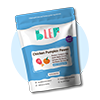
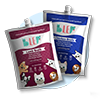
- Since wet food is high in calories, it's crucial to watch how much your dog eats to avoid weight gain. However, there are also some low calorie wet food options in the market, so it is important to check the ingredients and nutritional information and choose the right brand accordingly. For example, BLEP fresh dog food contains enough moisture to keep dogs hydrated while also being high in protein and low in calories. This combination works best for picky dogs, dogs who have low thirst drive, dogs who are prone to obesity, etc.
2. Dry Dog Food
Dry dog food is a popular and convenient option among pet owners. It is an affordable way to provide nutrition for your furry friend. This type of food is made using a process called extrusion, where ingredients like meat, grains, and vegetables are cooked and shaped into those familiar, bite-sized pieces.
One of the main advantages of dry food is its lengthy shelf life. It is okay to store dry dog food for months in a cold, dry location. Since it is so easy to store and dispense, it's excellent for busy pet owners who want to keep their furry pals happy and healthy.

Pros of Feeding Dry Food to Dogs:
- Dry food is generally more affordable. Additionally, you can purchase in bulk and save more due to its lengthy shelf life.
- Chewing dry food can help your dog's teeth stay clean. It works similar to a natural toothbrush to help freshen breath and lessen plaque accumulation.
- For busy pet parents, dry food is a more convenient solution because it is simple to store and distribute.
Cons of Feeding Dry Food to Dogs:
- Some dogs require more water. For dogs who are prone to dehydration, dry food might not be the best option because it contains less moisture than wet dog food.
- Dry dog food is made in different ways. Some may contain artificial fillers or inferior-quality ingredients. That’s why fresh dog food like BLEP is made with 100% natural ingredients and zero fillers, so that your dog gets all the nutrients that are written on the pack.
- If your dogs are picky eaters, they might enjoy the taste of wet food as compared to dry food.
3. Raw Dog Food
Raw dog food has become increasingly popular in recent years. This type of meal consists of raw meat, bones, fruits, and vegetables, similar to what dogs would eat in the wild. However, it needs to be prepared and handled carefully to prevent any health hazards. Therefore, if you're thinking of moving your dog to a raw food diet, be careful and speak with your veterinarian before making the shift.
Pros of Raw Dog Food:
- It is rich with organic nutrients, enzymes, and amino acids that are critical to the well-being of your dog.
- Eating raw food can benefit your dog's teeth and coat.
- Since it comprises a more natural diet, dogs with sensitive stomachs or those who are more prone to allergies might benefit from it.
Cons of Raw Dog Food:
- To avoid bacterial infection, such as salmonella, it must be handled carefully.
- Preparing raw food can be time-consuming.
- Raw food typically costs more than wet or dry food.
Read more: Raw v/s cooked meat for dogs
4. Homemade Dog Food
One of the biggest advantages of homemade dog food is knowing exactly what goes into your dog’s food. For dogs who have dietary restrictions or allergies, this is really beneficial. You can alter their meals to meet their particular needs.
But it is important to ensure that home-cooked food is well-balanced. It must have the proper balance of nutrients, much like human food, to keep your dog healthy and content. Therefore, to ensure that your homemade meals are nourishing, make sure to do your homework or speak with a veterinarian.

Pros of Homemade Dog Food:
- You can choose the exact ingredients you want to use, ensuring your dog gets the best nutrition.
- Whether your dog has dietary restrictions or allergies, you can customize the meals to meet their individual needs.
- Homemade food can be an excellent option for dogs with allergies or intolerances to commercial dog food.
Cons of Homemade Dog Food:
- Cooking balanced meals for your dog can take some time, especially if you’re a beginner.
- The cost of homemade dog food may exceed that of commercial dog food, contingent upon the quality of the components used.
- Homemade meals also need to be planned carefully to ensure your dog gets a variety of nutrients. This can be overwhelming, especially for busy pet owners. Getting the nutrient balance right at home takes real research, and getting it wrong can cause deficiencies over time. BLEP fresh dog food recipes give you the same whole-ingredient philosophy as homemade cooking, minus the guesswork on whether your dog is actually getting everything they need. They get a complete and balanced meal every single time.
Choosing the Right Food Based on Age, Breed, and Health
It all comes down to knowing your dog's specific needs when it comes to selecting the best dog food for them. Dogs, like people, have various dietary needs depending on their age, breed, and general health.
Puppies and young dogs require a diet high in fat and protein to promote their development. A balanced diet is usually sufficient for adult dogs to flourish where as senior dogs require diets higher in fiber and lower in calories since their metabolisms are slower.
Breed matters as well. While smaller breeds may benefit from a diet that supports their faster metabolic rates, larger breeds may require more calorie-dense food to maintain their weight.
Your dog's dietary requirements are also influenced by their health issues. For instance, dogs with kidney disease would need a diet lower in protein, whereas dogs that are active might need meals higher in calories.
If you want the ingredient transparency and high quality of homemade cooking without doing the nutrition math yourself, BLEP's fresh dog food recipes are formulated to sit in exactly that middle ground: 100% natural human-grade ingredients, vet-formulated nutrient completeness, and none of the fillers found in a lot of packaged dog food options.

Conclusion:
When it comes to selecting the best food for your pet, it's essential to consider their unique needs. Every animal is different, with dietary requirements influenced by factors such as age, breed, size, activity level, and overall health.
Puppies need nutrient-dense food to support their rapid growth and development. Senior pets may benefit from diets tailored to promote joint health and manage weight. Certain breeds might have specific nutritional sensitivities and pets with medical conditions like allergies or digestive issues may require restricted diets.
Understanding these needs is crucial for ensuring your pet remains healthy and happy. Providing the right nutrients can boost their immune system, improve their coat and skin, maintain optimal weight, and support overall longevity.
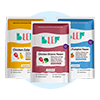
Fresh dog food is the fifth option that borrows the best of each kind of dog food: moisture-rich like wet food, long shelf-life like dry food, zero preservatives like raw food and high-quality, human-grade ingredients like homemade food. BLEP fresh dog food is made with 100% natural ingredients, zero chemicals, fillers or additives. Sealed packs of BLEP have 12-months of shelf life due to retort packaging. But once open, it must be refrigerated and served within 48 hours.
Frequently Asked Questions:
What is the best type of dog food overall?
The best type of dog food is the one that is high in quality but also convenient. In this regard, BLEP fresh dog food is the natural choice, because it is made with wholefood ingredients just like homemade food and sealed packets offer a 12-month shelf life without the need for any preservatives or refrigeration. It uses retort technology so the shelf life comes from the packaging itself.
Is wet food or dry food better for dogs?
Neither is universally better. Wet food offers hydration and palatability while dry food offers convenience. A good mix of both is fresh dog food like BLEP.
Is raw dog food safe?
It carries real bacterial risks (like salmonella) for both dogs and humans handling it, especially in India, given varying food storage/handling conditions. So it requires careful sourcing, handling, and vet guidance rather than casual DIY preparation.
Can I mix different types of dog food?
Yes, many pet parents combine different kinds of dog food together. The best combination is homemade food with fresh dog food like BLEP. This way, your dog’s diet is high in quality, economical and balanced with all the nutrients that they need.
What's the difference between homemade and fresh dog food?
Homemade means you source and cook it yourself with full control but there is no guaranteed nutritional balance. Fresh dog food is professionally formulated to be nutritionally complete while still using whole, human-grade ingredients.
How do I switch my dog from dry food to a different type?
All diet transitions must be done gradually, over 9–10 days. Start by mixing a little bit of the new food to the current diet for the next 2–3 days. Then, slowly increase the amount of new food and decrease the amount of current diet. In 9–10 days, dogs adapt to the new food. This avoids digestive upset due to new food. Read more about it in our Feeding Guidelines page.
Which type of dog food is best for a dog with allergies?
Homemade or fresh dog food with a limited, known ingredient list is often easiest to manage for allergies, since you can control exactly what's excluded, unlike many commercial dog foods with less transparent ingredient sourcing.
Looking to explore more healthy treats and care tips for your furry friend? Check out our other guides like Can Dogs Eat Apples?, Can Dogs Eat Blueberries?, Why Do Dogs Licks You?, Can Dogs Eat Strawberries?, Can dogs Eat Mango?, Dog Food for Weight Loss, Raw v/s cooked meat for dogs, Home Remedies to cure tick fever, Common Skin Problems in Dogs, Finding Good Dog Food in India, How many times should I feed my dog?, Things you should do to keep your pet healthy, Types of Dog Food, and How Prebiotics and Probiotics can improve your dog's digestion. Each guide is designed to help you make better food choices for your dog because a happy dog starts with the right diet.
Resources:
-
https://truthaboutpetfood.com/wp-content/uploads/2022/05/2004-Congress-Rendering.pdf
-
https://vetmed.tamu.edu/news/press-releases/homemade-dog-diets/