






Key Takeaways:
-
Pomeranians are small, alert, high-energy companion dogs descended from larger sledge dogs, selectively bred down in size during the 18th and 19th centuries at British royal courts.
-
Poms are prone to multiple serious conditions including tracheal collapse, cataracts, hip issues, hypoglycemia, luxating patella, and hereditary symmetrical hair loss called Alopecia X.
-
Harnesses must always replace collars for Pomeranians, as their sensitive necks are highly susceptible to tracheal collapse from any added pressure during walks.
-
Weight management through low-calorie, high-fibre, low-starch diets is critically important for Pomeranians, as excess weight dangerously aggravates their already vulnerable bone and joint conditions.
-
Natural, human-grade food supports Pomeranians particularly well given their wide range of vulnerabilities across multiple body systems, including eyes, bones, hormones, skin, and coat.
The Pomeranian, sometimes also called the Pom, Pommy or Pome, is a dog breed that originated in the Pomerania region along the Baltic Sea. Afterwards, it spread to north-west Poland and north-east Germany. Poms are a toy dog breed, with an average height of 8–14 inches and an average weight of 1.36–3.17kg. It is believed that they come from the slightly larger German Spitz.
Pomeranians are very sensitive to changes around them, and they are extremely alert. This is why they can be very excitable. Once you become a Pomeranian pet parent, you might have to get used to some barking (read: a lot!). They have big personalities. Playful, active, and protective, Pomeranians make for a great family companion dog. They do not need a lot of physical exercise or space, making them a great choice for first-time pet parents, single pet parents, and those who live in apartments.
This is a sturdy dog breed with a thick double coat, a plumed tail, a fox-like snout, and a square body. The Pom also has a signature collar of fur in the neck area and a fringe on the hindquarters.

The history of the Pomeranian breed
The Pomeranian is a descendant of sledge dogs from the Spitz family, such as the Chow Chow, Akita, Alaskan Malamute, Samoyed, etc. Poms were also a much larger breed originally, weighing about 13kg, and were used for herding. But this changed over the years.
In the 18th century, the Pomeranian became a favourite at the British royal court when Queen Charlotte introduced them. This legacy was taken forward by Queen Victoria, who made it even more popular. In fact, she had a particularly small Pomeranian with a red coat, which became very trendy in the 19th century. This, in turn, caused the size of the Pom to go down by almost half because of selective breeding. Nowadays, they come in one of the widest varieties of colours: white, black, brown, red, orange, cream, blue, sable, black and tan, brown and tan, spotted, brindle, parti, and blue merle and their combinations.
Common health problems of Pomeranians
Tracheal collapse:
Pomeranians have sensitive necks, and they are prone to tracheal collapse, which is a flattening of the windpipe. This condition makes it difficult to breathe and may cause dry, honking sounds to come from their throats. Pet parents should always use a leash and a harness for Poms, instead of traditional collars, so that there is no added pressure on the neck. Visiting the vet is important for this condition, as it might need medication or surgery.
Cataracts:
Cataracts, or a clouding of the eye lens, are a common health problem of Pomeranians. It is usually genetic and may lead to blindness. Another eye issue they are prone to is entropion, in which the eyelids roll inward. They may also suffer from dry eye, tear duct problems, eye ulcers, etc. In any case, veterinary intervention is required.
Hip issues:
Pomeranians may develop mobility issues due to Legg-Calve-Perthes disease (shrinking and necrotising of the top of the femur bone) and hip dysplasia (misalignment of bone and socket in the hip). This is why weight management becomes very important. Severe cases may need surgery.
Hypoglycemia:
Scheduled feeding is highly advised when you have a Pom because they have a propensity towards low blood sugar levels. The active Pomeranian may become weak, disoriented, and lethargic. They may even get seizures or collapse in particularly bad cases. It usually becomes better with age, but a vet’s supervision is necessary.
Luxating patella:
In this disorder, the kneecap may become misaligned or slide out of place, giving the dog a recurrent limp. If not addressed initially, this may become chronic and turn into arthritis. Then it may need surgery.
Alopecia X:
The Pom has a thick, bushy coat, but they are highly susceptible to symmetrical hair loss, especially the males of the breed. This is a hereditary disease known as Alopecia X, and the cause for this condition is still largely unknown. But, just in case it has to do with hormonal problems like Cushing’s disease or hypothyroidism, it is always best to get the condition checked by a vet as soon as it starts. They may also suffer from a darkening of the skin.

What are the nutritional needs of Pomeranians?
Good quality protein: Although they are small and their activity levels are medium, Pomeranians still need a good quality, high-protein diet. Protein helps in almost all bodily processes, so it’s a given for any dog. In Pomeranians, protein is especially helpful in maintaining coat, skin, bones, and hormones. High-protein chicken breast, turkey, lean meat from lamb loin, etc., are healthy choices for a Pom. That’s why BLEP dog food recipes contain only whole muscle meat, giving them highly-digestible, bioavailable protein that their bodies can actually use.
Omega-3 and omega-6: Since Pomeranians often suffer from coat and fur issues, it is essential to give them food with omega fatty acids, such as fish oil, fatty fish, flaxseed, chia seed, cold-pressed sunflower oil, etc. However, moderation should be maintained. Although small, Poms also have high energy levels so they need a diet rich in good fats. BLEP dog food strikes a good balance of omega-3 and omega-6 fatty acids that keeps Pomeranians’ coats healthy and shiny.
Low-calorie food: Pomeranians have a small, squarish body and are prone to bone and joint issues. This means that weight management becomes key to keeping them healthy, because excess weight puts pressure on already-vulnerable joints. For them, a high-fibre, low-starch diet with ingredients like rice, quinoa, pumpkin, sweet potato, etc., is a healthy choice. It's easy to overestimate how much food a dog this small actually needs, especially with a personality this big. BLEP Dog Diet Calculator solves this for you. It tells you the exact portion size that you need for your Pom so their weight can stay healthy.
Micronutrients: Vitamins and minerals in a Pomeranian’s diet are very important, because they are prone to eye, bone, and coat issues. Vitamin A, B-complex vitamins, etc. from food like lamb liver and organs, chicken, eggs, etc. are very important for the skin and fur. Calcium, phosphorus, vitamin D3, vitamin K, etc. are needed for strong bones and joints, which can be given in dogs’ meals through green veggies like broccoli, green beans, peas, etc. For the eyes, vitamin A, beta carotene, etc., from sweet potatoes, carrots, eggs, etc., can help.
Hydration: Dogs don’t always drink enough water on their own, especially in the winter. However, hydration is important for all bodily processes, especially for coat and skin. Because of their double coat, Pomeranians may also overheat easily. This is why you need to give them wet food, bone broths, and water for maximum hydration.
How to keep your Pomeranian’s coat healthy?
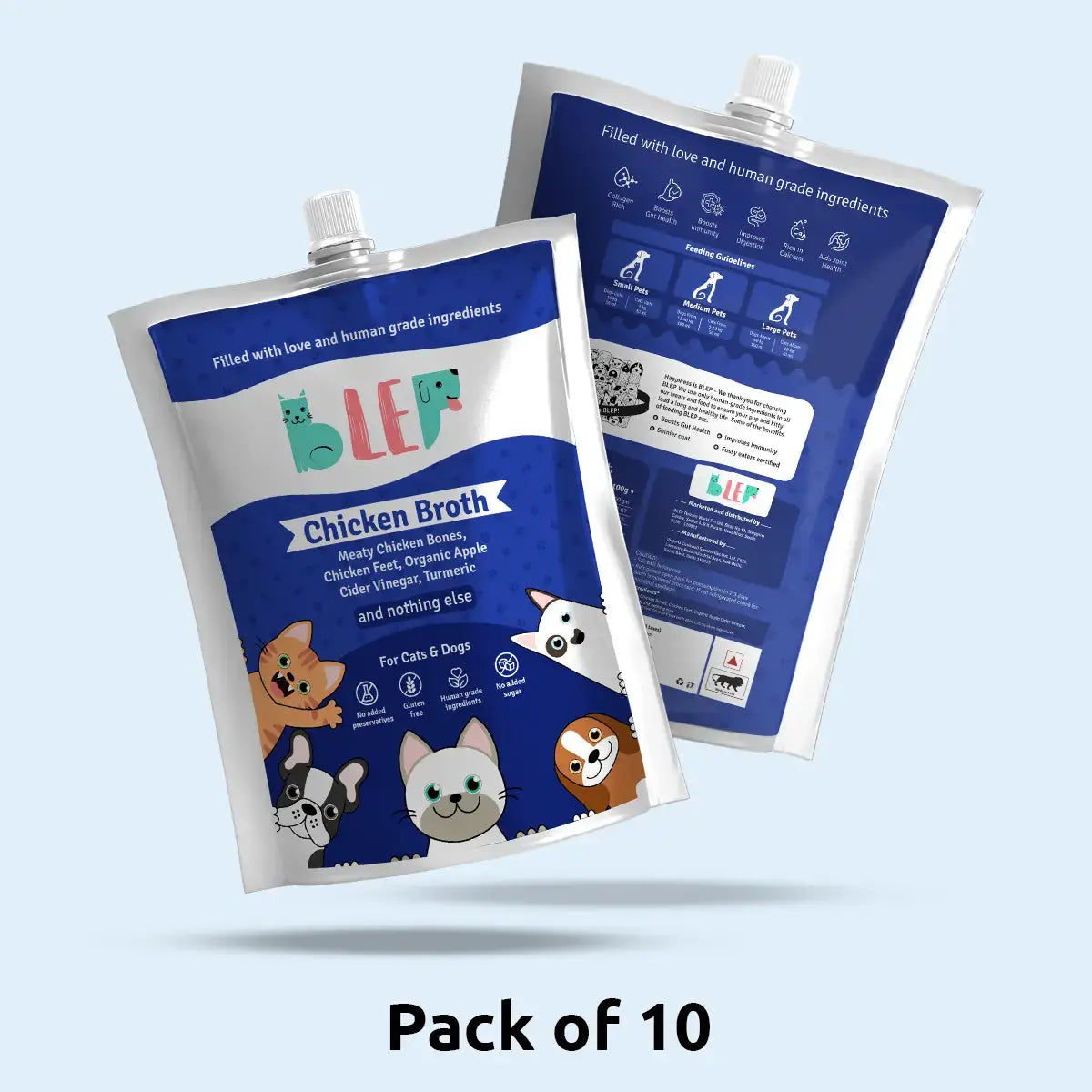
Pomeranians have a thick double coat and a proclivity for issues related to the skin and coat, like alopecia. Therefore, they need double the protection. It is very important to feed your Pom a diet full of ingredients that actually help in protecting and maintaining their coat. Ingredients such as chicken, eggs, sweet potato, carrot, spinach, flaxseeds, etc. should be part of their daily meal to keep the fur soft and shiny. Plus, bone broths are full of collagen, which is an elixir for the coat. Adding some BLEP bone broth for dogs to a Pom’s meals can really help with skin and coat maintenance. They are packed with collagen and contain zero sugar, salt or spices.
Apart from that, regular grooming also helps in detangling the hair, stimulating hair follicles, and keeping the hair from getting matted. Many pet parents routinely shorten their Pomeranian’s coat to keep it manageable.

Why is it important to feed 100% natural, human-grade food to your Pomeranian?
The main thing about 100% natural, human-grade dog food is that it retains most of the goodness of the ingredients that go into it. A good balance of these micro- and macronutrients in your pup’s diet is required for the proper functioning of their body. For a Pomeranian, getting a vast range of nutrients is very necessary because they are prone to a number of issues related to different systems of the body: eyes, bones, skin, hormones, etc.
Apart from that, 100% natural, human-grade dog food is made of high-quality ingredients that are easily digestible for dogs. Good digestion means a happy gut biome, which has a positive effect on almost all the bodily systems. It also helps in weight management, which is crucial for dogs like the Pomeranian. Overall, natural dog food like BLEP gives Pomeranians a better quality of life, keeping them healthy, thriving, and protected from various chronic diseases for longer.
Frequently Asked Questions:
Why do Pomeranians need a harness instead of a collar?
Poms are prone to tracheal collapse, a flattening of the windpipe, so any pressure on the neck from a collar can trigger or worsen symptoms. A harness redirects that pressure to the chest and shoulders instead.
Why are Pomeranians prone to low blood sugar?
Their small body size means limited glycogen reserves, so skipping meals or going too long between feedings can cause hypoglycemia more easily than in larger breeds. Scheduled, consistent feeding matters more for Poms than most dogs.
What causes hair loss in Pomeranians?
Alopecia X is a hereditary condition specific to the breed (more common in males) causing symmetrical hair loss, and its exact cause is still not fully understood. Since it can sometimes overlap with hormonal conditions like hypothyroidism, a vet check is worth doing if hair loss starts.
How much should I feed my Pomeranian to avoid overfeeding?
Given their tiny size, it's easy to overfeed a Pom without realizing it. Their actual daily calorie needs are much lower than their big personality might suggest, so measuring portions against their specific weight matters more than eyeballing a "normal" serving. BLEP Dog Diet Calculator can help you plan their exact meals.
Can diet help with a Pomeranian's joint issues?
Diet can't reverse structural conditions like hip dysplasia or luxating patella, but keeping a Pom at a healthy weight significantly reduces the mechanical stress on already-vulnerable joints, which can ease symptoms and slow progression.
Why do Pomeranians need bone broth in their diet?
Bone broths are a natural source of collagen, which supports coat health and joint comfort, both areas Poms are particularly prone to issues in. These also help with hydration, since small dogs often don't drink enough water on their own.
Are Pomeranians prone to eye problems?
Yes. Cataracts and entropion (inward-rolling eyelids) are both relatively common in the breed, and nutrients like vitamin A and beta carotene from foods such as carrots and sweet potatoes support general eye health, though any vision changes should be checked by a vet promptly.
Looking to explore more tips on how to look after your furry friend? Check out our other guides like Can Dogs Eat Apples?, Can Dogs Eat Blueberries?, Dog Food for Weight Loss, Raw v/s cooked meat for dogs, Home Remedies to cure tick fever, Finding Good Dog Food in India, How many times should I feed my dog?, Things you should do to keep your pet healthy, Types of Dog Food, How Prebiotics and Probiotics can improve your dog's digestion, Essential Tips for a New Dog Parent and others. Each guide is designed to help you make better food and care choices for your dog, to keep them happy, healthy, and thriving.
Resources:
https://en.wikipedia.org/wiki/Pomeranian_dog
https://www.petmd.com/dog/breeds/pomeranian
https://pawspace.in/pomeranian/
https://www.chewy.com/education/dog-breeds/pomeranian#health
https://pomeranian.org/blog/2022/11/28/pomeranian-dog-health-issues-explained/
Image Attribution:
Alopecia: By Uwe Gille - Own work, CC BY 3.0, https://commons.wikimedia.org/w/index.php?curid=129563825