






Key Takeaways:
-
Fresh dog food offers superior nutrient bioavailability compared to ultra-processed alternatives, as high-heat extrusion degrades vitamins, enzymes, and amino acids that synthetic additives cannot fully replace.
-
The best fresh dog food must contain high-quality named animal protein, healthy fats with omega-3 and omega-6, dietary fibre, essential micronutrients, and adequate moisture for hydration.
-
Artificial preservatives like BHA and BHT, added sugars, low-quality fillers like corn and soy, and vague protein sources like meat by-products should all be strictly avoided.
-
India's warm climate makes moisture-rich fresh food particularly important for dogs, as dehydration is an ongoing concern that affects kidney function, digestion, and overall health.
-
Transitioning dogs to fresh food should happen gradually over 9-10 days, starting with small amounts mixed into current food to allow digestive systems to adjust smoothly.
If you are a dog parent in India searching for the best fresh dog food India has to offer, you are already asking the right question. The truth is, not all dog food is created equal. And while the market is crowded with options ranging from budget buys to imported premium brands, what actually matters is far simpler: what is in the food, and how it has been made.
Natural, whole-food-based dog food has become an increasingly popular choice among Indian pet parents, and for good reason. As awareness around canine nutrition grows, more people are moving away from heavily processed, preservative-laden food and towards meals that are clean, recognisable, and genuinely nourishing.

Why does fresh dog food make a difference?
The most important thing to understand about fresh dog food is not just what it contains, but how well your dog can actually use those nutrients. This is called bioavailability, and it is one of the biggest differences between fresh food and heavily processed alternatives.
High-heat extrusion, which is the process used to make most ultraprocessed food, can significantly degrade key vitamins, enzymes, and amino acids. Manufacturers often add synthetic versions of these nutrients back after processing, but research suggests that nutrients in their natural, whole-food form are more readily absorbed and used by your dog’s body. Gently cooked or minimally processed fresh dog food retains more of its original nutritional integrity, meaning your dog gets more out of every bite.
Beyond bioavailability, fresh dog food tends to be free of artificial preservatives, colours, and flavours, which can cause sensitivities, digestive issues, and inflammation when consumed repeatedly over time.
What should the best fresh dog food in India contain?
The best fresh dog food Indian pet parents can find should be nutritionally balanced and complete. Here is what to look for:
High-quality animal protein: This is the most important component of a dog's diet. Protein builds and maintains muscles, bones, cartilage, skin, coat, nails, hormones, and immune function. AAFCO recommends a minimum of 18% crude protein on a dry matter basis for adult dogs, and 22.5% for puppies. Good natural sources include chicken breast, lean lamb, eggs, and fish.
Healthy fats: These are essential for energy, brain health, skin and coat condition, and the absorption of fat-soluble vitamins A, D, E, and K. AAFCO recommends a minimum crude fat of 5.5% for adult dogs on a dry matter basis. Omega-3 and omega-6 fatty acids are particularly important for fighting inflammation and supporting overall cellular health. Fish oil, flaxseeds, and cold-pressed oils are good natural sources.
Dietary fibre: Soluble dietary fibre supports healthy digestion, a balanced gut microbiome, and smooth bowel movements. Ingredients like pumpkin, sweet potato, and green beans are excellent natural sources that are easy to include in a dog's diet.
Vitamins and minerals: These are the micronutrients that keep every system in a dog's body functioning well, from vision and immunity to bone strength and nerve health. When food is made with natural whole-food ingredients like liver, leafy greens, eggs, and fish, these micronutrients are present in forms that are more readily absorbed than synthetic alternatives.
Hydration: Moisture rounds out a complete diet. Around 60% to 70% of a dog's body weight is water, and moisture in food plays an important role in kidney health, digestion, and circulation. Fresh, natural food and bone broths are great ways to supplement your dog's water intake.

What to avoid in dog food?
Knowing what to avoid is just as important as knowing what to look for. Steer clear of dog food that contains:
Artificial preservatives: Preservatives, such as BHA, BHT, and ethoxyquin, have been associated with sensitivities and long-term health concerns in dogs who are exposed to them repeatedly.
Added sugar or starch: These can contribute to weight gain, blood sugar imbalances, and over time, diabetes and joint problems in dogs predisposed to obesity.
Low-quality fillers: Corn, soy, wheat, cereal byproducts etc. are sometimes used to bulk up food without meaningful nutritional contribution. These are also harder for dogs to digest.
Vague protein sources: Ingredients like "meat meal" or "animal by-products" are highly processed and have significantly lower bioavailability than named, whole-food protein sources.
The best fresh dog food in India: BLEP
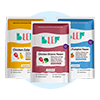
For dog parents in India looking for the best fresh dog food India can offer, BLEP dog food stands out as one of the most trusted and thoughtfully made options available. BLEP's dog food is made with 100% natural, whole-food ingredients, with zero preservatives, zero sugar, zero starch, and zero fillers. There are no shortcuts and no hidden additives.
Every recipe is high in bioavailable protein, formulated to support lean muscle maintenance, healthy weight, and sustained energy. The meals are also naturally hydrating, which supports kidney function and overall health, particularly useful in India's warm climate where dehydration is an ongoing concern for dogs. BLEP's dog food comes in meal-size packs, making it easy to portion accurately at every meal, so your dog consistently gets exactly what they need, nothing more and nothing less. And if you’re confused about how much to feed your dog, you can also use BLEP’s diet calculator for diet instructions that are custom made for your dog.
Whether you have a puppy, an adult dog, or a senior, BLEP's clean-label approach to natural nutrition makes it a reliable everyday choice for dog parents across India who want their dogs to eat well and thrive.
Frequently Asked Questions
What is fresh dog food?
Fresh dog food is made with real, whole-food ingredients such as meat, vegetables, and healthy fats, without artificial preservatives, colours, flavours, or synthetic additives. It is minimally processed to retain the nutritional integrity of its ingredients. BLEP dog food is a great example of fresh dog food.
Is fresh dog food better than ultra-processed dog food?
Fresh, minimally processed dog food tends to offer better nutrient bioavailability than highly processed dog food, meaning dogs can absorb and use more of the nutrition in each meal. Research suggests that gently cooked, fresh dog food outperforms extruded ultra-processed dog food in amino acid digestibility.
What should I check on a dog food label?
Look for a named protein source as the first ingredient and a clear and transparent ingredient list. Also, check that there are no artificial preservatives or added sugars on the label.
Is fresh dog food available across India?
Yes. Brands like BLEP dog food offer fresh dog food with delivery across India, making it accessible for dog parents in major cities like Delhi, Mumbai, Bengaluru, Chennai, Hyderabad, Kolkata, and beyond.
How do I transition my dog to fresh dog food?
Transition should be a gradual process. You should start small with the new food. The first 3–4 days, add 2–3 spoons of fresh dog food to their current meal. Slowly, increase the amount of fresh dog food and decrease the amount of current meal over the next few days. In 9–10 days, their stomach should be able to adjust to the new food fully. This helps your dog's digestive system adjust smoothly and reduces the risk of stomach upset. For more information, check out BLEP’s feeding guidelines.
Looking to explore more tips on how to look after your furry friend? Check out our other guides like Can Dogs Eat Apples?, Can Dogs Eat Blueberries?, Dog Food for Weight Loss, Raw v/s cooked meat for dogs, Home Remedies to cure tick fever, Finding Good Dog Food in India, How many times should I feed my dog?, Things you should do to keep your pet healthy, Types of Dog Food, How Prebiotics and Probiotics can improve your dog's digestion, Essential Tips for a New Dog Parent, What Are Kibbles for Dogs and How Are They Harmful? and others. Each guide is designed to help you make better food and care choices for your dog, to keep them happy, healthy, and thriving.
Resources:
-
https://www.aafco.org/wp-content/uploads/2023/01/Pet_Food_Report_2013_Annual-Appendix_B.pdf
-
https://www.petmd.com/dog/nutrition/evr_dg_whats_in_a_balanced_dog_food
-
https://blog.myollie.com/raw-vs-kibble-vs-fresh-what-science-says-about-dog-nutrition/
-
https://www.thefarmersdog.com/digest/all-about-pet-food-digestibility/