







Key Takeaways:
-
Dogs can safely eat peeled mango flesh in moderation, benefiting from vitamins A, B6, C, and E, powerful antioxidants, potassium, and natural hydration, especially during Indian summers.
-
The mango pit must always be completely removed as it poses serious choking and intestinal blockage risks requiring emergency surgery, alongside containing cyanogenic compounds.
-
Mango contains significantly more sugar than strawberries or apples at approximately 13-14 grams per 100 grams, making strict portion control essential, especially for overweight or diabetic dogs.
-
All Indian mango varieties including Alphonso, Kesar, and Dasheri are safe for dogs, but sweeter high-Brix varieties warrant smaller portions due to concentrated natural sugar content.
-
Processed mango products like aamras, pickles, ice cream, and dried mango with added sugar are all unsafe, and artificially calcium carbide-ripened mangoes should be avoided entirely for dogs.
Yes, dogs can eat mango. However, only give your dog the peeled mango flesh. Remove the skin and pit before serving. Mango should be treated as an occasional snack rather than a daily food because it contains quite a bit of natural sugar. You can give a few pieces as a summer treat to your dog, but all treats combined should not make up more than 10% of your dog’s daily calorie intake. Extra caution is recommended for diabetic dogs, overweight dogs, and puppies, and it is best to consult your vet before introducing mango to their diet.

Nutritional benefits of mango for dogs
Mango is one of the more nutritionally dense fruits available in India, and several of those nutrients are genuinely beneficial for dogs:
Vitamins A, B6, C, and E
Mango is a good source of vitamins A, B6, C, and E. Vitamin A supports healthy vision, skin, coat, and immune function, and it is classified as an essential nutrient for dogs. Vitamin B6 supports nerve function and the production of certain neurotransmitters. Vitamin C is present in meaningful amounts in mango, though as with strawberries and apples, dogs naturally produce their own Vitamin C, so the dietary benefit is supportive rather than essential. Vitamin E is an antioxidant that helps protect cells from oxidative damage and supports skin health.
Rich in antioxidants and polyphenols
Mango contains a range of powerful antioxidant compounds including beta-carotene, mangiferin, quercetin, and gallic acid. Beta-carotene is the pigment responsible for mango's yellow-orange colour and is a precursor to Vitamin A. These plant compounds help reduce oxidative stress and may support healthy ageing and long-term cellular health in dogs.
Dietary fibre supports digestion
Mango contains approximately 1.6 grams of dietary fibre per 100 grams of fruit. Fibre supports healthy bowel movements, may help regulate blood sugar by slowing glucose absorption, and contributes to a healthy gut environment. It is worth noting that mango is lower in fibre than many other fruits, so its digestive benefit should not be overstated.
Potassium for muscle and heart health
Mango provides approximately 150 to 168 mg of potassium per 100 grams. Potassium is an essential mineral for dogs that supports healthy muscle contractions, nerve function, and heart health.
High water content and natural hydration
Mango is approximately 83% water by weight, making it a hydrating treat option. This is particularly relevant for Indian dog parents during the intense heat of summer, when keeping dogs cool and well-hydrated matters most.
Low in fat
Mango contains less than 0.5 grams of fat per 100 grams, making it a genuinely low-fat treat option. For dogs on weight management plans, mango flesh is a better treat choice than fatty snacks, provided portion sizes are respected given its sugar content.

Risks of feeding mango to dogs
The pit
The mango pit (also called the stone or seed) should never be given to dogs. It poses two serious risks:
Choking and intestinal blockage: The mango pit is large, hard, and slippery. It can lodge in the throat of small and medium dogs, and if swallowed, can cause a life-threatening intestinal obstruction that may require surgery. This is the primary concern in practice.
Cyanogenic compounds: Mango pits contain small amounts of cyanogenic compounds, similar to apple seeds. A single pit is very unlikely to cause acute cyanide poisoning in a large dog, but the blockage risk alone is sufficient reason to always remove the pit completely before serving. If your dog swallows a mango pit, contact your vet immediately and watch for signs of choking, gagging, retching, vomiting, loss of appetite, or visible abdominal discomfort.
The skin
Mango skin is not toxic to dogs, but it presents several practical problems:
-
It is tough, fibrous, and difficult for dogs to digest, particularly for small breeds.
-
It can cause stomach upset, loose stools, or in some cases intestinal blockage.
-
It contains urushiol, a chemical compound also found in poison ivy and poison oak. While documented cases of dogs reacting to mango skin urushiol are rare, it is still a reason to avoid it.
-
It can carry pesticide residue and surface contaminants.
Always peel the mango completely before serving. There is no nutritional benefit to including the skin that outweighs these risks.
High natural sugar content
Mango is one of the higher-sugar fruits commonly available. A medium mango contains approximately 45 to 50 grams of total sugar. Per 100 grams of fruit, mango contains around 13 to 14 grams of sugar, significantly more than strawberries (around 4.9g per 100g) or apples. This makes portion control especially important. Feeding too much mango too often can contribute to weight gain, digestive upset, dental issues, and may worsen conditions like insulin resistance.
Digestive upset
Too much mango at once, or introducing it suddenly, can cause loose stools, gas, diarrhea, or vomiting, particularly in dogs with sensitive stomachs. The combination of natural sugars and fibre is the usual cause. Always introduce mango gradually and start with a small piece.
How much mango can dogs eat?
All treats combined, including mango, should not exceed 10% of your dog's total daily calorie intake. Given mango's higher sugar content compared to fruits like strawberries or blueberries, err on the smaller end of these portions, especially for less active dogs.
|
Dog Size |
Approx. Weight |
Safe Serving |
Example Breeds |
|
Extra Small |
Under 5 kg |
1 to 2 small cubes (approx. 1 cm) |
Chihuahua, Pomeranian |
|
Small |
5 to 10 kg |
2 to 3 small cubes |
Shih Tzu, Lhasa Apso |
|
Medium |
10 to 25 kg |
3 to 5 small cubes |
Indian Pariah (Indie), Cocker Spaniel |
|
Large |
25 kg and above |
5 to 8 small cubes or a small handful |
Labrador, German Shepherd, Golden Retriever |
Note: One cup of mango chunks contains approximately 100 calories. Even for large dogs, mango should be an occasional treat, not a regular daily addition to their diet.
Which dogs should avoid mango or eat with extra caution?
Diabetic dogs
Mango has a glycaemic index of approximately 51 to 60, which is low to moderate. However, its total sugar content per serving is meaningful, and even a few cubes can contribute a notable sugar load for a small diabetic dog. Always consult your vet before feeding mango or any high-sugar fruit to a diabetic dog.
Overweight dogs
Given mango's higher sugar and calorie density compared to lower-sugar fruits, overweight dogs should have smaller portions or eat other treats with a better calorie-to-nutrition ratio. Blueberries or small pieces of apple may be more appropriate regular treats for dogs managing weight. Mango can be reserved as an occasional seasonal treat.
Dogs with sensitive stomachs or digestive issues
The combination of natural sugars and fibre in mango can trigger loose stools or digestive discomfort in dogs with sensitive stomachs. Start with a single small cube, wait 24 hours, and monitor before offering more.
Puppies
Puppies can eat small pieces of mango once they are reliably eating solid food. Start with a tiny cube, monitor for any digestive reaction, and keep portions very small relative to their body size. However, a puppy’s main diet should consist of a high-protein, balanced dog food like BLEP dog food.

A step-by-step guide on how to safely prepare mango for dogs
-
Choose a ripe mango. Ripe mango is softer, easier to digest, and more palatable for dogs. Unripe mango is more acidic and may irritate the stomach.
-
Wash the mango thoroughly under running water to remove pesticide residue and surface dirt.
-
Peel the skin completely. Use a knife or peeler to remove the entire outer peel. Do not leave any skin on the pieces you serve.
-
Remove the pit entirely. Slice the flesh away from the central stone on both sides. Check that no fragments of the pit remain in the pieces you plan to serve.
-
Cut into bite-sized cubes appropriate for your dog's size. Roughly 1 cm cubes work for most dogs. Go smaller for extra-small breeds.
-
Serve plain and fresh. Do not combine with sugar, condensed milk, cream, chaat masala, or any other seasoning. None of these are safe for dogs.
-
Introduce gradually if it is your dog's first time. Offer one small cube, wait 24 hours, and monitor for any adverse reaction before offering more.
Never give dogs mango in these forms:
-
Aamras or mango pulp with added sugar
-
Mango pickles (achar) or chutneys (contain spices, salt, and sometimes chilli)
-
Mango ice cream or kulfi (dairy, sugar, and often artificial flavourings)
-
Mango juice or panna (high sugar, no fibre)
-
Dried mango with added sugar or preservatives
-
Mango-flavoured products of any kind
How to serve mango to your dog
Fresh
Fresh, peeled, pitted mango cut into cubes is the best and most nutritious form. It retains full water content, all vitamins, and the natural texture dogs enjoy. Serve as a treat or occasionally as a meal topper to a high-quality fresh dog food like BLEP.
Frozen
Frozen mango cubes are an excellent summer treat in India's heat. Freeze pre-cut, peeled, and pit-free mango pieces and offer them on hot days. They provide a cooling, hydrating snack that most dogs love. Always ensure pieces are an appropriate size before freezing, as frozen fruit is harder and a greater choking risk. Monitor your dog as they eat frozen pieces.
Pureed
Plain mango puree (made at home from peeled, pit-free mango with no additives) can be frozen into ice cube trays as a treat, or added to a lick mat for enrichment. Do not use store-bought mango pulp or juices, which typically contain added sugar. In the summer, it can also be quite appetising to mix a little mango puree to your dog’s BLEP dog food.
Dried mango
Plain, unsweetened dried mango is safe in very small amounts. Because the water has been removed, sugar and calories are significantly more concentrated. One cup of dried mango contains approximately 510 calories and over 100 grams of sugar, compared to under 100 calories for fresh. If you use dried mango, offer only a very small piece and check the label carefully for added sugar or preservatives.

A note for Indian dog parents: Mango season and varieties
Mango season in India runs roughly from April to July, varying slightly by region. During this time, fresh locally grown mangoes are at their most nutritious and affordable. Here is what to keep in mind:
Common Indian mango varieties and dogs: All widely available Indian mango varieties are safe for dogs to eat, including Alphonso (Hapus), Kesar, Dasheri, Langra, Totapuri, and Banganapalli. Alphonso and Kesar are among the sweeter, higher-Brix varieties, meaning they contain more natural sugar per gram. For dogs managing their weight or with any metabolic condition, choosing a less sweet variety like Totapuri and serving a smaller portion is a sensible approach.
Pesticide residue: Commercial mangoes in India are frequently treated with pesticides during growing and sometimes with chemicals post-harvest to aid ripening. Always wash the outside of the mango thoroughly before handling and cutting, even though your dog will not eat the skin. Pesticide residue on the knife can transfer to the flesh.
Artificially ripened mangoes: In India, some mangoes are artificially ripened using calcium carbide. Calcium carbide-ripened mangoes are generally recognised by their uneven colour, spongy texture, and absence of the natural aroma of a tree-ripened fruit. It is best to buy mangoes from reliable sources and avoid feeding artificially ripened mango to your dog.
Signs your dog ate too much mango or ate the pit
If your dog ate too much mango flesh:
-
Loose stools or diarrhea
-
Vomiting
-
Bloating or visible stomach discomfort
-
Unusual lethargy
Most cases of overindulgence on mango flesh resolve within 24 hours. Ensure access to fresh water and monitor closely. Contact your vet if symptoms worsen or persist.
If your dog swallowed a mango pit, contact your vet immediately. Watch for:
-
Gagging, retching, or repeated swallowing attempts
-
Drooling excessively
-
Vomiting
-
Loss of appetite
-
Abdominal pain or bloating
-
Lethargy or weakness
An intestinal blockage from a mango pit is a serious, potentially life-threatening condition. Do not wait to see if symptoms resolve.
Do's and don'ts of feeding mango to dogs
Do:
-
Peel the mango completely before serving.
-
Remove the pit and every fragment of it.
-
Cut into appropriately sized cubes for your dog's size.
-
Serve fresh and plain with no added ingredients.
-
Start with a small piece the first time and monitor for any reaction.
-
Keep mango as an occasional treat within the 10% daily calorie rule.
-
Consult your vet if your dog has diabetes, weight issues, or any chronic health condition.
Don't:
-
Give the pit or skin under any circumstances.
-
Offer aamras, mango pickle, mango ice cream, or any processed mango product.
-
Feed mango daily given its high sugar content.
-
Give a large amount in one sitting.
-
Ignore signs of digestive discomfort or possible blockage after feeding.
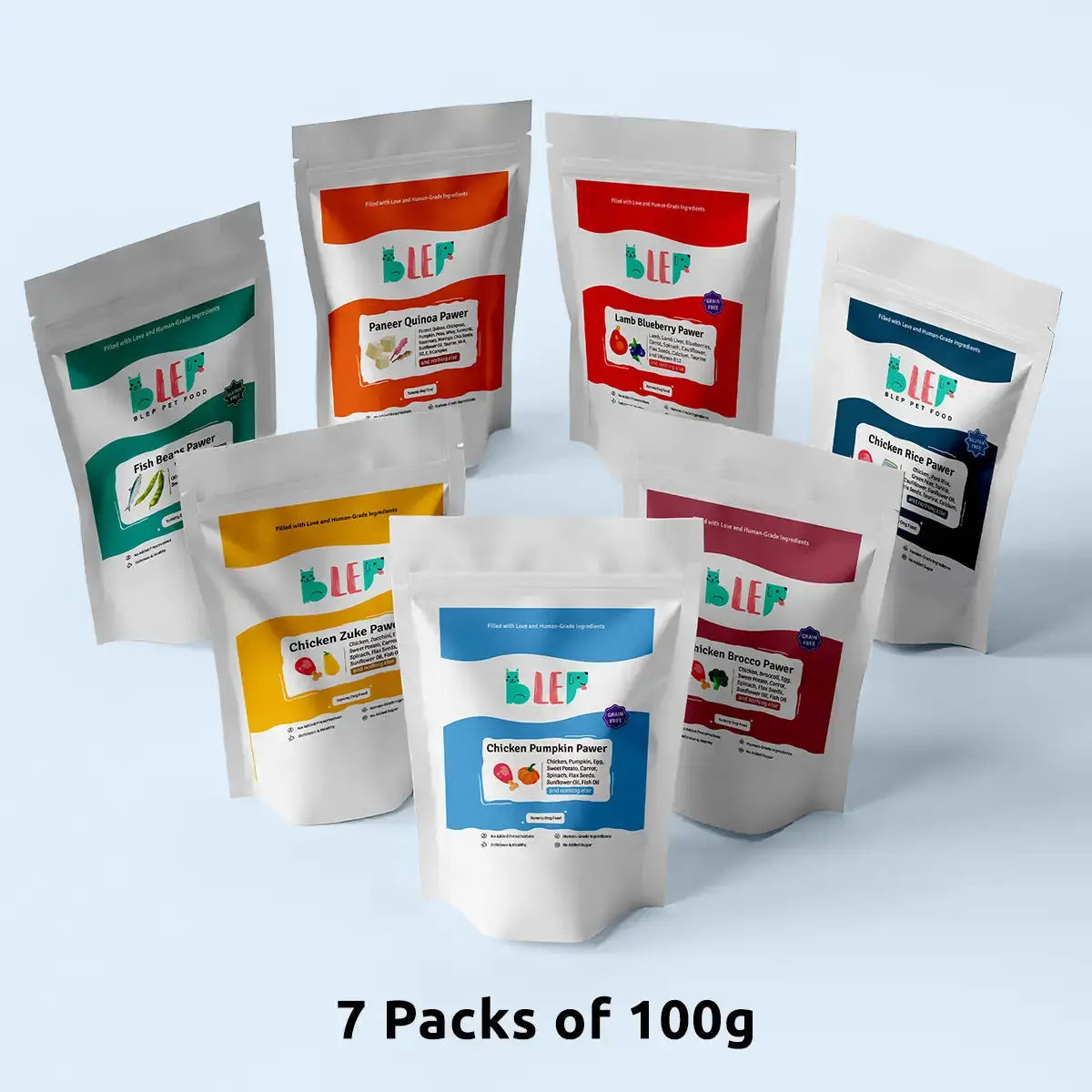
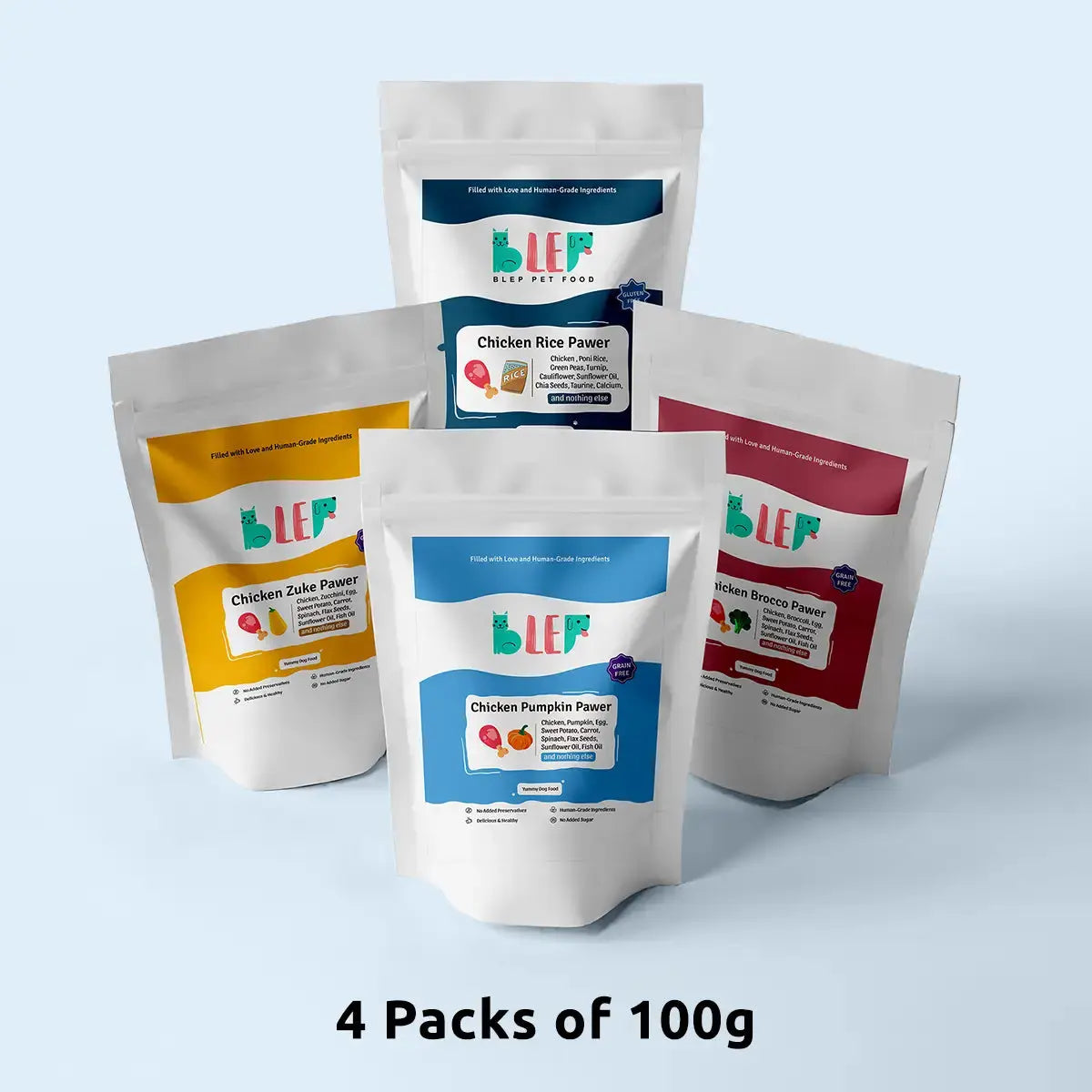
If you are building out a balanced, treat-friendly diet for your dog beyond the occasional mango slice, BLEP's trial pack is a low-commitment way to start with fresh, human-grade meals.
Frequently Asked Questions
Can dogs eat mango skin?
The short answer is no Mango skin is fibrous, tough to digest, and can act as a choking hazard, especially for small or brachycephalic breeds. Mango skin can also carry pesticide residue if not washed thoroughly. Always peel mango fully before offering any piece to your dog, since the flesh is where the safe nutrition is, not the skin.
Can dogs eat mango pits?
The mango pit (seed) is one of the most dangerous parts of the fruit for dogs. The pit is a serious choking hazard and can cause intestinal blockage if swallowed, which may require emergency surgery. Pits also contain trace amounts of compounds related to cyanide, though the blockage risk is the more immediate danger. Always cut mango away from the pit completely and double-check every piece before handing it to your dog.
Can puppies eat mango?
Yes, in very small amounts once they are reliably eating solid food. Offer a single small cube to begin and monitor for any digestive reaction over 24 hours. Keep portions very small given a puppy's smaller body size.
Can diabetic dogs eat mango?
Only under veterinary guidance. Mango has a relatively high sugar content compared to lower-sugar fruits, and even a few cubes can represent a meaningful sugar load for a small or diabetic dog. Always consult your vet before feeding high-sugar fruits to a diabetic dog.
Can dogs eat dried mango?
Dried mango is not automatically safe just because fresh mango is. Most store-bought dried mango contains added sugar, sulphur dioxide (a preservative), or is coated in syrup, all of which are unsuitable for dogs. If you offer dried mango, it must be 100% mango with no additives, and portions should be smaller than fresh mango because drying concentrates the natural sugars.
Can dogs eat frozen mango?
Yes. Plain, frozen mango cubes (peeled and pit-free) are a safe and refreshing treat, particularly useful in India's summer heat. Ensure pieces are cut to an appropriate size before freezing to reduce the choking risk that comes with harder frozen fruit. You can also add these pieces to their BLEP dog food.
Can dogs eat mangoes every day?
This is not recommended. Mango's higher sugar content means daily feeding can contribute to weight gain and dental issues over time. Reserve it as an occasional seasonal treat, not a daily snack.
Which Indian mango varieties are safe for dogs?
All common Indian varieties, including Alphonso, Kesar, Dasheri, Langra, Totapuri, and Banganapalli, are safe for dogs as long as the pit and skin are removed and the flesh is served in moderation. Sweeter high-Brix varieties like Alphonso and Kesar should be given in slightly smaller portions due to their higher natural sugar content.
What should I do if my dog eats mango pickle or aamras?
Monitor closely. Mango pickle contains salt, spices, oil, and often chilli, none of which are safe for dogs. Aamras typically contains added sugar and sometimes milk. A small accidental taste is unlikely to cause serious harm, but larger amounts of spiced or sugary mango preparations can cause digestive upset, vomiting, or diarrhea. Contact your vet if your dog consumed a significant quantity or shows signs of discomfort.
Looking to explore more tips on how to look after your furry friend? Check out our other guides like Can Dogs Eat Apples?, Can Dogs Eat Blueberries?, Dog Food for Weight Loss, Raw v/s cooked meat for dogs, Home Remedies to cure tick fever, Finding Good Dog Food in India, How many times should I feed my dog?, Things you should do to keep your pet healthy, Types of Dog Food, How Prebiotics and Probiotics can improve your dog's digestion, Essential Tips for a New Dog Parent, and others. Each guide is designed to help you make better food and care choices for your dog, to keep them happy, healthy, and thriving.
Resources:
https://www.petmd.com/dog/nutrition/can-dogs-eat-mango
https://www.akc.org/expert-advice/nutrition/can-dogs-eat-mango/
https://petpulsedubai.com/blog/can-dogs-eat-mango/