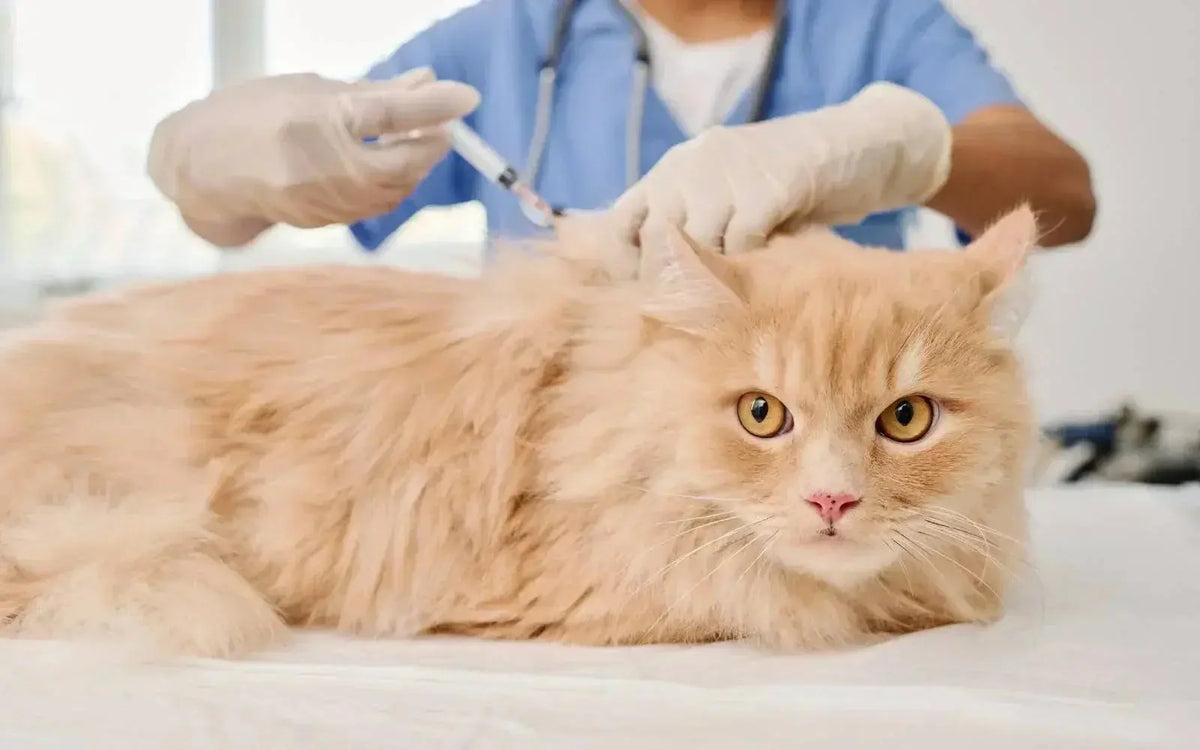











Key Takeaways:
-
A normal cat temperature typically ranges between 100.5°F and 102.5°F (38.1°C to 39.2°C), and anything consistently above this range may indicate a fever.
-
Cats are experts at hiding discomfort, so subtle shifts in behaviour like skipping meals, sleeping more, or hiding may be the only early warning.
-
Common causes of fever in cats include infections, parasites, heatstroke, toxin exposure, and post-vaccination reactions.
-
Human medications like paracetamol (Crocin, Dolo-650) are highly toxic to cats and should never be given under any circumstances.
-
A fever lasting more than 24 hours, a temperature above 104°F, or symptoms like vomiting or breathing difficulty means you should see a vet as soon as possible.
Your cat has not eaten since morning. She is curled up in a spot she never sleeps in, and when you touch her ears, they feel noticeably warm. Is she just having an off day, or is something actually wrong?
Cats are experts at hiding pain. Unlike dogs, who tend to show distress clearly, a cat with a fever may simply go quiet, skip a meal, and retreat. That makes fever one of the most commonly missed signs of illness in cats, especially in India's warm climate where normal heat-related sluggishness can look a lot like a sick cat.
Fever in cats (also called pyrexia) is an elevated body temperature caused by the immune system's response to infection, inflammation, or other threats. Knowing cat fever symptoms, what the normal temperature range is, what you can safely do at home, and when to take a cat to the vet can help you act before a small problem becomes a serious one.

What is a normal cat temperature?
Before you can spot a fever, you need to know what normal looks like.
A healthy cat's body temperature typically falls between 100.5°F and 102.5°F (38.1°C to 39.2°C). Kittens may run slightly warmer.
-
Normal range: 100.5°F to 102.5°F (38.1°C to 39.2°C)
-
Possible fever: Above 102.5°F (39.2°C)
-
Urgent, see a vet: 104°F (40°C) and above
Touching your cat's ears or nose can give you a rough idea, but it is not reliable, especially in hot Indian weather. The only accurate way to confirm a fever is with a rectal digital thermometer. Apply lubricant to the tip, insert it about 2-3 cm, hold steady for 60 seconds, and read the display. If you are not comfortable doing this, your vet can check for you.
How to tell if a cat has a fever
Cats tend to go quiet and withdraw when unwell rather than show obvious distress. Spotting a fever means watching for subtle behavioural changes.
Early signs to watch for
Most cat parents first notice something is off when small routines change. Here are the signs to watch for:
-
Eating less or skipping meals entirely
-
Sleeping more than usual or appearing sluggish
-
Warm ears, paws, or belly (warmer than their normal baseline)
-
Dry gums or reduced skin elasticity (signs of dehydration)
-
Hiding in unusual spots or avoiding contact
Two or three of these together, especially a drop in appetite combined with lethargy, usually warrant closer attention.
Advanced warning signs
If early signs go unnoticed or the underlying cause worsens, more serious symptoms may appear:
-
Shivering or trembling (cats rarely shiver without cause)
-
Rapid or laboured breathing
-
Vomiting or diarrhoea
-
Discharge from the eyes or nose
-
Wobbly or unsteady movement
-
Complete refusal to eat or drink for more than 12 hours

Common causes of fever in cats
A fever is not a disease on its own, but a signal that your cat's immune system has detected a threat and is actively fighting it.
Infections
Viral and bacterial infections are among the most common causes. Feline calicivirus, feline herpesvirus, and urinary tract infections can all lead to fever. Feline infectious peritonitis (FIP), caused by a mutation of the feline coronavirus, may also cause persistent, high fever, particularly in younger cats.
Parasites
Ticks and fleas can carry infections that trigger fever. During India's monsoon season, tick-borne illnesses become more common, even for indoor cats, as parasites can enter homes through shoes or balconies.
Heatstroke
Cats in poorly ventilated rooms, without fresh water, or in direct sunlight can develop dangerously high body temperatures. Heatstroke is different from a true fever. A fever happens when the immune system raises body temperature to fight a threat, while heatstroke happens when external heat overwhelms the body's cooling ability.
Toxin exposure
Certain houseplants (like lilies), human medications, and some essential oils are toxic to cats. Fever may appear alongside vomiting, drooling, or sudden lethargy if your cat has ingested any of these.
Post-vaccination reaction
A mild fever within 24 to 48 hours after vaccination is fairly normal. If it persists beyond 48 hours, check with your vet.
Inflammation or immune-related conditions
Pancreatitis, inflammatory bowel disease, or immune-mediated disorders can cause ongoing or recurring fever, sometimes alongside weight loss or changes in litter box habits.

What you can do at home to help
A mild fever can sometimes be managed with supportive care at home, but home care is not a substitute for veterinary treatment.
Keep your cat hydrated
Fever speeds up dehydration, and Indian heat makes it worse. Place multiple fresh water bowls around the house. If your cat is reluctant to drink, try a cat-friendly bone broth or fresh cat food to add moisture and encourage fluid intake.
Create a cool, quiet space
Move your cat to a well-ventilated room with a fan or open windows. Avoid direct air conditioning. A calm space helps the body regulate temperature naturally.
Use a damp cloth on paws and ears
Gently wiping a damp cloth over your cat's paws, ears, and belly can provide relief. The skin in these areas is thinner and cools down more easily. Never use ice packs or very cold water.
Offer small, easy meals
Sick cats often lose interest in food, but keeping some nutrition going supports recovery. Slightly warming natural cat food to just above room temperature releases more aroma and encourages eating. Small, frequent portions are easier on a weak stomach.
Reduce stress
Stress can slow recovery and worsen symptoms. Keep your cat away from loud noises, visitors, and other pets. A familiar, cosy resting spot in a quiet corner of the house helps cats feel safe and heal faster.
Medications you must never give your cat
While home care can help with comfort, one area where pet parents must be careful is medication. Human fever medicines are extremely dangerous for cats.
-
Paracetamol (Crocin, Dolo-650, Calpol): Extremely toxic to cats. Even a small dose can cause methemoglobinemia, where red blood cells lose the ability to carry oxygen. A single tablet can be fatal.
-
Ibuprofen (Brufen, Combiflam): Can cause kidney failure and internal bleeding in cats.
-
Aspirin and other NSAIDs: Only safe when prescribed by a vet at precise, cat-safe dosages. Never self-administer.
When in doubt, call your vet before giving your cat anything.
When to take a cat to the vet
Not every fever needs an emergency visit, but some situations should not wait.
See a vet immediately if:
-
Your cat's temperature is above 104°F (40°C)
-
The fever has lasted more than 24 hours
-
Your cat refuses food and water for more than 24 hours
-
You notice vomiting, diarrhoea, or difficulty breathing
-
Your cat seems disoriented, wobbly, or extremely weak
-
You have a kitten younger than four months with any sign of fever
-
You suspect your cat has eaten something toxic
A vet visit is also wise if you cannot distinguish fever from heatstroke, or if your cat recently had surgery.
Your vet will start with a physical examination and temperature reading. Next steps may include a blood count (CBC), FeLV and FIV screening, urinalysis, and imaging.
Preventing fever in your cat
Prevention is not always possible, but good daily habits go a long way.
-
Stay on top of vaccinations. Core vaccines protect against several infections that commonly cause fever.
-
Keep up with parasite control. Regular tick and flea prevention matters for all cats, even indoor ones, since parasites can enter homes through various routes.
-
Ensure proper hydration. Keep fresh water available. A bone broth for cats as a meal topper can boost fluid intake, especially in summer.
-
Maintain a clean environment. Regularly clean litter boxes, food bowls, and water dishes.
-
Feed a balanced, high-quality diet. Knowing how to choose the right cat food supports a strong immune system. The cat diet calculator can help you find the right daily portion for your cat's weight and age.

Keeping your cat healthy starts with what goes in the bowl
Early detection and quick action are the two most important things you can do when your cat has a fever. Trust your instincts.
BLEP's natural cat food, made with 100% natural, human-grade ingredients and zero preservatives, supports hydration and overall health. Pair it with BLEP's bone broth for cats to keep fluid intake up, and explore BLEP's cat food trial pack to let your cat try real food.
FAQs
How can I check my cat's temperature at home?
Use a digital rectal thermometer with a small amount of lubricant. Ear thermometers are less precise but can work as a screening tool. A reading consistently above 102.5°F (39.2°C), especially alongside other symptoms, may warrant a vet check.
At what temperature should I rush my cat to the vet?
A temperature above 104°F (40°C) warrants an urgent vet visit. Temperatures above 106°F (41°C) may risk organ damage and should be treated as a medical emergency. Between 102.5°F and 104°F, monitor closely and contact your vet for guidance.
Can stress cause fever in cats?
Stress alone does not typically cause a true fever, but it can suppress the immune system and make your cat more vulnerable to infections. Cats under stress may also hide more and eat less, masking early symptoms.
Is it safe to give my cat Crocin or Dolo-650 for fever?
No. Paracetamol-based medications like Crocin and Dolo-650 are extremely toxic to cats. Even a fraction of a human dose can be fatal. Always consult a vet before giving any medication.
Can indoor cats get fevers?
Yes. Indoor cats can still be exposed to infections through other pets, contaminated shoes, and open balconies. Parasites, toxins, and underlying health conditions can also cause fever in indoor cats.
How long does a cat fever usually last?
A mild post-vaccination fever may resolve within 24 to 48 hours. Infection-related fevers vary depending on the cause. Any fever lasting more than 24 hours should be evaluated by a vet.
What should I feed my cat during a fever?
Offer soft, aromatic food at slightly above room temperature. High-moisture foods like natural cat food or bone broth help with nutrition and hydration. If appetite does not return within a day, see a vet.
Looking to explore more tips on how to look after your furry friend? Check out our other guides like 7 things to look for when choosing the best cat food in India, Cat UTI Symptoms, Causes & Treatment, Cat Dehydration: symptoms, causes & how to treat dehydration in cats, Nutrition Food Guide for Senior Cats, Dog Food for Weight Loss, Raw v/s cooked meat for dogs, Home Remedies to cure tick fever, Finding Good Dog Food in India, How many times should I feed my dog?, Things you should do to keep your pet healthy, Types of Dog Food, How Prebiotics and Probiotics can improve your dog's digestion, Essential Tips for a New Dog Parent, and others. Each guide is designed to help you make better food and care choices for your pet, to keep them happy, healthy, and thriving.
Resources
-
Merck Veterinary Manual, "Normal Rectal Temperature Ranges": merckvetmanual.com
-
WebMD Veterinary Reference, "Fever in Cats: Symptoms and Treatments": webmd.com/pets/cats/fevers-in-cats
-
ASPCA Poison Control, "Toxic and Non-Toxic Plants for Cats": aspca.org
-
Indian Journal of Veterinary and Animal Sciences Research (ICAR), "Clinico-Therapeutic Evaluation of Cats with Signs Suggestive of Viral Diseases in Chennai": epubs.icar.org.in
-
Journal of Vector Borne Diseases (IVRI, India), "Problem of Ticks and Tick-Borne Diseases in India": journals.lww.com
-
WebMD Veterinary Reference, "Fever in Cats: Symptoms and Treatments": webmd.com/pets/cats