







Key Takeaways:
-
Breed genetics are among the strongest predictors of health risks. Labradors are prone to obesity and hip dysplasia, Golden Retrievers to cancer, Pugs to breathing difficulties, and Lhasa Apsos to early kidney disease.
-
India's humid climate and high allergen load make skin problems, ear infections, and gut issues significantly worse than in temperate countries, especially for breeds already predisposed to these conditions.
-
Preventive care must begin before symptoms appear. Conditions like joint degeneration and gut dysbiosis silently progress for months or years before they become visible.
-
Effective dog supplements in India should be vet-formulated, cold-pressed under 25°C to preserve heat-sensitive ingredients, transparent about quantities, and completely free of fillers or synthetic additives.
-
Different supplement categories target different systems: gut supplements for immunity and digestion, joint supplements for mobility, oral supplements for dental disease, and calming supplements for anxiety.
-
Genetic predisposition is not destiny. Targeted, breed-aware nutritional supplementation and fresh, human-grade food can meaningfully delay, reduce, or manage the severity of inherited health conditions.
Here's something most pet parents don't realise until it's too late: your dog's breed is one of the most powerful predictors of the health challenges they'll face over their lifetime.
That's not meant to scare you. It's actually the most useful thing you can know, because once you understand which common dog breed health issues your pup is genetically wired for, you can get ahead of them. And getting ahead of health issues is almost always easier, cheaper, and kinder than treating them after the fact.
Whether you have a bouncy Labrador puppy or a senior Shih Tzu who thinks she runs the household, knowing what to watch for lets you act before a condition becomes a crisis. Regular vet check-ups, appropriate exercise, fresh dog food, and targeted supplementation can all make a meaningful difference. Genetics may cause risks, but proactive care shapes outcomes.
Here’s a guide on the most common Indian dog breeds that are kept as pets in India, the health issues that they are at risk for, and how preventive care like targeted supplements can help give your dog more protection against them.

Common dog breed health issues in India: what every pet parent should know
1. Labrador Retriever
One of India's most popular family dogs, and honestly one of the most loveable are Labradors. However, Labs come with a long list of health vulnerabilities that kick in early and evolve across their lifetime.
Puppy stage: Hip and elbow dysplasia risk begins early due to rapid growth. Ear infections and intestinal parasites are also common.
Adult stage: Obesity is a major concern given their food-driven nature. Cruciate ligament tears, skin allergies, hypothyroidism, and chronic ear infections are frequently reported. In India's humid conditions, skin fold infections and hot spots can escalate quickly if not addressed.
Senior stage: Arthritis, cancer (particularly mast cell tumours), diabetes, heart disease, and laryngeal paralysis are prominent concerns.
What the research says: Studies published in the Veterinary Journal show that Labradors have among the highest prevalence of hip dysplasia and obesity-related metabolic disease in medium-to-large breeds.
Best preventive focus: Joint support, weight management, gut health.
2. Golden Retriever
Gentle, loyal, and deeply loved, but Golden Retrievers carry a notably elevated cancer risk that every pet parent should understand.
Puppy stage: Hip and elbow dysplasia, allergies, ear infections, and eye issues appear early.
Adult stage: Skin allergies, hypothyroidism, progressive hip problems, early-onset heart issues, and chronic ear infections. High humidity can worsen skin conditions significantly in this breed.
Senior stage: Cancer (particularly haemangiosarcoma and lymphoma), arthritis, cataracts, heart disease, and kidney disease dominate the senior years.
What the research says: The Morris Animal Foundation's Golden Retriever Lifetime Study (the largest canine health study ever conducted) identifies cancer as the leading cause of death in over 60% of Golden Retrievers.
Best preventive focus: Joint support, gut boost, skin and coat health.
3. German Shepherd
Puppy stage: Hip and elbow dysplasia, parvovirus susceptibility, skin infections, and intestinal worms.
Adult stage: Degenerative myelopathy (a progressive nerve disease that affects movement), bloat (GDV, a life-threatening condition), allergies, and obesity.
Senior stage: Arthritis, progressive hip dysplasia, advanced degenerative myelopathy, and cancer.
What the research says: Degenerative myelopathy in German Shepherds is linked to a SOD1 gene mutation, well-documented in canine neurology literature. Joint support from early adulthood is strongly recommended.
Best preventive focus: Joint support, gut health.
4. Shih Tzu
Puppy stage: Brachycephalic breathing difficulties, eye ulcers (due to protruding eyes), dental crowding, and hypoglycaemia.
Adult stage: Dental disease, skin allergies, luxating patella (when the kneecap slips out of place), ear infections, and persistent breathing issues. India's heat and humidity can exacerbate skin fold infections in this breed.
Senior stage: Kidney disease, Cushing's syndrome, intervertebral disc disease (IVDD), progressive blindness, and arthritis.
Best preventive focus: Oral health, gut health.

5. Beagle
Puppy stage: Ear infections (floppy ears trap moisture, particularly problematic during India's monsoon months), epilepsy onset, intestinal worms, and early obesity risk.
Adult stage: Obesity, hypothyroidism, allergies, IVDD (back disc disease), and epilepsy.
Senior stage: Cancer, heart disease, arthritis, cataracts, and diabetes.
Best preventive focus: Weight management, gut health.
6. Pug
Puppy stage: Severe brachycephalic obstructive airway syndrome (BOAS), eye ulcers, cleft palate risk, and hypoglycaemia.
Adult stage: Skin fold infections (these are particularly common in Indian summers, where heat and bacteria combine), obesity, dental disease, breathing difficulties, and luxating patella.
Senior stage: Severe airway obstruction, arthritis, Pug Dog Encephalitis (a breed-specific inflammatory brain disease), progressive blindness, and heart disease.
What the research says: A 2019 study in Canine Genetics and Epidemiology found that over 70% of Pugs are affected by brachycephalic-related health issues, making them among the most anatomically compromised breeds.
Best preventive focus: Weight management, oral health.
7. Siberian Husky
Not exactly built for the Indian subcontinent, and their health reflects that.
Puppy stage: Juvenile cataracts, zinc-responsive dermatosis (a skin condition unique to this breed, caused by zinc deficiency), and hip dysplasia.
Adult stage: Autoimmune eye and skin conditions, progressive hip dysplasia, cataracts, hypothyroidism, and epilepsy. In India's tropical climate, Huskies are at higher risk of overheating and heat-triggered skin flares.
Senior stage: Arthritis, progressive blindness, cancer, laryngeal paralysis, and kidney disease.
Best preventive focus: Skin support, joint health.
8. Pomeranian
Puppy stage: Hypoglycaemia, collapsing trachea, dental crowding, and luxating patella.
Adult stage: Persistent tracheal collapse, dental disease, luxating patella, alopecia X (a coat loss condition), and obesity.
Senior stage: Heart disease, arthritis, severe dental loss, progressive tracheal collapse, and Cushing's syndrome.
Best preventive focus: Oral health, skin care, joint support.
9. Lhasa Apso
Originally bred as sentinel dogs in Tibetan monasteries and surprisingly sturdy for their size. But they carry a significant predisposition to kidney disease and eye disorders that's worth knowing about early.
Puppy stage: Eye problems (including keratoconjunctivitis sicca and progressive retinal atrophy), intestinal worms, dental crowding, ear infections, and hypoglycaemia.
Adult stage: Chronic kidney disease (often beginning earlier than in other breeds), skin allergies, luxating patella, dental disease, and progressive eye disorders.
Senior stage: Kidney failure, arthritis, progressive blindness, heart disease, and cancer.
What the research says: Renal dysplasia is a well-documented hereditary condition in Lhasa Apsos, noted in veterinary nephrology literature as a cause of early-onset kidney failure. Routine kidney function screening from middle age is strongly advised.
Best preventive focus: Kidney monitoring, oral health.
10. Indian Pariah Dog (Indie)
Often the healthiest dog in the country, thanks to centuries of natural selection. But "healthy" doesn't mean invincible, especially in India's environment.
Puppy stage: Parvovirus, distemper, intestinal worms, skin infections, and malnutrition.
Adult stage: Tick-borne diseases (ehrlichiosis and babesiosis are widespread across India), mange, gastrointestinal issues, ear infections, and environmental allergies. India's humidity and dense vegetation make tick exposure a year-round risk in many regions.
Senior stage: Arthritis, dental disease, kidney issues, heart disease, and cancer.
Best preventive focus: Gut health, skin support.

Common dog breed health risks in India: quick reference guide
|
Dog Breed |
Most Common Health Risks |
Best Preventive Focus |
|
Labrador Retriever |
Hip dysplasia, obesity, ear infections, arthritis |
Joint support, weight management, gut health |
|
Golden Retriever |
Cancer, arthritis, allergies, heart disease |
Joint support, skin and coat health |
|
German Shepherd |
Hip dysplasia, degenerative myelopathy, bloat |
Joint support, gut health |
|
Shih Tzu |
Dental disease, breathing issues, eye disorders |
Oral health, gut health |
|
Beagle |
Obesity, hypothyroidism, epilepsy |
Weight management, gut health |
|
Pug |
BOAS, obesity, dental disease |
Weight management, oral health |
|
Siberian Husky |
Eye disorders, hip dysplasia, skin conditions |
Skin support, joint health |
|
Pomeranian |
Tracheal collapse, dental disease, luxating patella |
Oral health, joint support |
|
Lhasa Apso |
Kidney disease, eye disorders, dental disease |
Kidney monitoring, oral health |
|
Indian Pariah Dog |
Tick-borne diseases, skin infections, dental disease |
Gut health, skin support |
Why does the Indian climate make common dog diseases worse?
This part doesn't get talked about enough.
India's climate (hot, humid, and high in environmental allergens) actively amplifies many of the breed-specific conditions listed above. Here's how:
Skin and coat conditions: High humidity encourages bacterial and fungal growth on the skin. For breeds already prone to skin folds (Pugs, Shih Tzus) or allergic skin disease (Labs, Goldens, German Shepherds), this means what might be a mild seasonal itch in a temperate country can become a chronic, recurring problem in an Indian household. Moisture trapped in skin folds or ear canals turns quickly into infection.
Gut health: Contaminated water, food hygiene challenges, and heat stress all put additional strain on the digestive system. This is particularly true for Indie dogs and breeds with sensitive guts like German Shepherds, where gut dysbiosis and loose stools are much more common than their Western counterparts.
Tick-borne disease: Tick exposure is a year-round reality for most dogs in India, not a seasonal concern as it is in colder climates. Ehrlichiosis and babesiosis, both transmitted by ticks, are serious and sometimes fatal if caught late. Indie dogs, Labs, and German Shepherds living in any urban or semi-urban area are routinely exposed. That’s why they need stronger immunity.
Breathing in heat: Brachycephalic breeds like Pugs and Shih Tzus struggle with heat management at the best of times. In Indian summers, especially in cities like Chennai, Nagpur, or Delhi where temperatures regularly cross 40°C, their compromised airways make them genuinely heat-vulnerable. This isn't just discomfort, it's a health risk that escalates quickly.
Understanding your dog's breed vulnerabilities through an Indian lens makes preventive care far more targeted and far more useful.

When should you start preventive care for your dog in India?
Most of us visit the vet when something goes wrong. But by the time clinical symptoms appear, many conditions, particularly joint degeneration, gut dysbiosis, and cognitive decline, have already been progressing for months or years.
Think about it: a Labrador doesn't develop hip arthritis overnight. The cartilage breaks down slowly and silently through early adulthood. A Pomeranian's coat doesn’t get rough suddenly, the skin barrier slowly gets damaged. A Lhasa Apso's teeth may already be accumulating plaque and tartar before you realise.
Preventive care means stepping in before the damage shows. And for breeds with known genetic predispositions, it's one of the most responsible decisions you can make as a pet parent.
This is where targeted nutritional supplementation comes in. Not as a replacement for vet care, but as a way to support your dog's biology before problems take hold.
What to look for in dog supplements in India
You can’t trust every supplement out there. Many use low doses, less effective ingredient forms, or synthetic fillers that undermine the whole point. When choosing a supplement for your dog, look for:
-
Vet-formulated, for the correct dosages and combinations
-
Cold-pressed manufacturing to preserve heat-sensitive ingredients
-
Transparent ingredient list, not vague "proprietary blends"
-
Human-grade, effective ingredients
Here's what the science actually supports for each health area:
Gut Health Supplements: For Digestion, Allergies, and Immunity
The gut is increasingly recognised as the centre of canine immunity. An unbalanced gut microbiome is linked to digestive issues, allergies, chronic ear infections, skin problems, and even behavioural issues, all conditions that are common across Indian dog breeds and made worse by India's food and environmental conditions.
Key ingredients to look for:
-
Tributyrin: a postbiotic that nourishes and strengthens the gut lining, reducing intestinal permeability ("leaky gut") and supporting mucosal repair
-
Multi-strain probiotics (5+ billion CFU, 9 strains): restores microbial diversity; multi-strain formulations outperform single-strain products for broader microbiome restoration
-
Saccharomyces boulardii: a well-studied probiotic yeast with strong evidence for managing acute and chronic diarrhoea, including antibiotic-associated diarrhoea
-
PHGG (Partially Hydrolysed Guar Gum): feeds beneficial gut bacteria and normalises stool consistency; a 2021 study in Frontiers in Veterinary Science identified PHGG as effective for managing both diarrhoea and constipation in dogs
-
Zinc carnosine: reduces nausea, vomiting, and gastric inflammation
Most relevant for: Labradors, German Shepherds, Beagles, Pugs, and Indie dogs.
Joint Health Supplements: For Dysplasia, Arthritis, and Mobility
Joint disease is the single most common chronic condition across Indian dog breeds. Hip and elbow dysplasia in Labs, Golden Retrievers, and German Shepherds begins structurally in puppyhood, but is best managed with nutritional support from early adulthood, before any stiffness or pain is visible.
Key ingredients to look for:
-
Undenatured Type II Collagen: the primary structural protein in cartilage; peer-reviewed studies (including in the Journal of Veterinary Pharmacology and Therapeutics) show meaningful reduction in joint pain and improved mobility in dogs with osteoarthritis
-
Glucosamine: stimulates cartilage-rebuilding cells; one of the most extensively studied nutraceuticals in canine orthopaedics
-
Green-Lipped Mussel (Perna canaliculus): contains a unique combination of omega-3 fatty acids and glycosaminoglycans that reduce joint stiffness; vet studies show measurable improvement in lameness scores
-
Boswellia serrata: a plant-based anti-inflammatory with strong evidence for reducing joint inflammation without the side effects of NSAIDs
-
Hyaluronic acid: improves joint fluid viscosity and lubrication; particularly valuable for senior dogs with stiff joints
Most relevant for: Labradors, Golden Retrievers, German Shepherds, Huskies, Shih Tzus, Pomeranians, and Beagles.
Oral Health Supplements: For Dental Disease and Gum Infections
Dental disease affects an estimated 80% of dogs over the age of three, according to the American Veterinary Medical Association. Toy breeds like Shih Tzus, Pomeranians, and Lhasa Apsos are especially prone because crowded teeth in small mouths create more surface area for plaque to build up. In India, where dental care for dogs is often lower on the priority list, this becomes a significant long-term health risk.
Key ingredients to look for:
-
Sodium Hexametaphosphate (SHMP): clinically proven to prevent tartar build-up; recognised by the Veterinary Oral Health Council (VOHC)
-
Ascophyllum nodosum (seaweed): a VOHC-recognised ingredient that stops plaque from hardening into tartar; studies show measurable reduction in plaque and tartar scores with consistent use
-
Zinc acetate: reduces bad breath and has mild antibacterial properties in the mouth
-
Green tea extract: contains catechins with established antibacterial properties against oral pathogens, including bacteria responsible for gum disease in dogs
-
Oral probiotics: balance the oral microbiome, reducing harmful bacteria that cause gum disease and tooth decay
Most relevant for: Shih Tzus, Pomeranians, Lhasa Apsos, Pugs, and Beagles.
Coat and Skin Supplements: For Itchiness, Hot Spots, and Excessive Shedding
Skin and coat issues are among the most common reasons Indian pet parents visit the vet and the tropical climate is a big part of why. Dust, humidity, seasonal allergens, and heat all compound breed-specific skin vulnerabilities.
Key ingredients to look for:
-
Omega-3 fatty acids (EPA/DHA): reduce skin inflammation at a cellular level; multiple randomised controlled trials confirm significant improvement in atopic dermatitis with omega-3 supplementation
-
Hydrolysed collagen: supports skin elasticity and structural integrity, reducing moisture loss
-
Biotin (Vitamin B7): essential for keratin production; deficiency causes dull coats and brittle nails
-
Borage oil: rich in Gamma-Linolenic Acid (GLA), which supports the skin's natural barrier; particularly effective for allergic skin conditions
-
Chelated zinc: essential for skin repair and immune function; specifically important for Huskies, who have a documented zinc-responsive skin condition
Most relevant for: Labradors, Golden Retrievers, German Shepherds, Huskies, and Indie dogs.
Calming Supplements: For Stress, Anxiety, and Behavioural Issues
Canine anxiety is under-recognised in India, where dogs regularly deal with Diwali fireworks, festival noises, dense traffic, urban chaos, and in the case of many rescued Indie dogs, histories of stress and unpredictability. Anxiety shows up as destructive behaviour, excessive barking, aggression, and digestive upset.
Key ingredients to look for:
-
L-Theanine: an amino acid that promotes calm alertness without drowsiness; studies in Applied Animal Behaviour Science confirm effectiveness in reducing anxiety-related behaviour in dogs
-
L-Tryptophan: a building block of serotonin; veterinary research supports its use for fear-related behaviour
-
Ashwagandha (Withania somnifera): an adaptogen with strong evidence for reducing cortisol, the body's primary stress hormone; increasingly used in integrative veterinary protocols
-
Magnesium glycinate: calms the nervous system and relaxes muscles; the glycinate form absorbs well and is gentle on the stomach
-
CBD oil: emerging veterinary research, including a Cornell University study, suggests CBD may reduce anxiety and improve comfort in dogs with stress-related behaviours
Most relevant for: German Shepherds, Huskies, Dobermans, and rescued Indie dogs.

Start your dog's preventive care today
Your dog's breed tells a story, not just about their personality, but about their health vulnerabilities. A Labrador who gains weight easily is not just a greedy eater; they are genetically wired for metabolic efficiency and joint stress. A Shih Tzu with recurring ear infections isn't just unlucky; their anatomy makes them structurally prone to it.
The good news is that predisposition is not destiny. Preventive nutrition, when it uses the right ingredients at the right doses in forms the body can actually absorb, can meaningfully shift outcomes. Whether your priority is joint mobility, gut balance, oral hygiene, skin health, or emotional calm, there are vet-formulated, ingredient-led solutions designed to target each of these precisely.
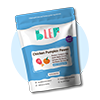
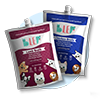
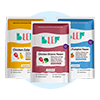
Alongside targeted supplementation, what your dog eats every day matters enormously. Ultra-processed dog food, laden with fillers, preservatives, and low-quality ingredients, can undermine even the best supplement protocol. BLEP fresh dog food is made with 100% natural, human-grade ingredients: zero preservatives, zero sugars, zero additives, zero fillers. It is real food designed to nourish from the inside out.
When you pair breed-aware, targeted supplementation with genuinely good food, you create a holistic protective shield for your dog; one that works with their biology, not against it.
Because the best time to protect your dog's health is before they need it.
Frequently Asked Questions
At what age should I start giving my dog supplements?
It depends on the supplement and the breed. Joint supplements for large breeds like Labradors and German Shepherds are best started around one year old, before symptoms appear. Gut and coat supplements can be introduced at any life stage. If your dog is over five, that's a good time to start targeted supplementation regardless of visible signs. Always loop in your vet before starting anything new.
Can I give my dog multiple supplements at the same time?
In most cases, yes. Different supplements target different systems, so a dog with joint issues and skin allergies can benefit from both simultaneously. If your dog is on any medication, check with your vet first.
How long until I see results?
Gut supplements like probiotics can show results within one to two weeks. Joint and coat supplements typically take four to eight weeks of consistent use to show measurable improvement. Calming supplements with L-Theanine can work within hours of the first dose, and build longer-term resilience with ongoing use.
Are supplements a replacement for vet visits?
No, and they're not meant to be. Supplements are a preventive and supportive tool. If your dog is showing active symptoms, a vet visit comes first. Think of supplements as a layer of ongoing support, not a substitute for diagnosis.
My dog is an Indie. Do they need supplements too?
Yes. Indies are generally hardy, but in India's tropical, tick-heavy environment, they're routinely exposed to gut infections, tick-borne diseases, and skin conditions that targeted supplementation can help manage. Gut health for immunity and coat support for inflammation and itching are particularly relevant. And if you've rescued an Indie who's still settling in, calming supplements can make a real difference.
What's the difference between a probiotic and a prebiotic?
A probiotic contains live beneficial bacteria that restore the gut microbiome. A prebiotic is fibre that feeds those bacteria so they thrive. For the best outcomes, look for a supplement that has both, plus a postbiotic like Tributyrin that directly strengthens the gut lining.
Which dog breed has the most health problems?
Flat-faced (brachycephalic) breeds like Pugs are among the most health-compromised, due to breathing difficulties, eye disorders, skin fold infections, and dental crowding. That said, every breed has its own vulnerabilities. What matters is knowing yours and addressing them early.
Which dog is considered the healthiest in India?
The Indian Pariah Dog (Indies). Centuries of natural selection has given Indies remarkable genetic diversity and resilience. They're not immune to illness, but they tend to handle India's environment better than most purebreds.
Can supplements prevent breed-related diseases?
They can't prevent every disease. But evidence-based ingredients can meaningfully support joint function, gut health, skin integrity, dental hygiene, and cognitive wellbeing, especially when started before problems take hold. Think of it as giving your dog's biology a better fighting chance.
Is fresh dog food really better than ultra-processed dog food?
Most ultra-processed dog food is cooked at very high temperatures, which destroys heat-sensitive nutrients and requires synthetic additives to compensate. Fresh dog food like BLEP made with human-grade, natural ingredients preserves the nutritional integrity of the food. For dogs with allergies, digestive issues, or chronic conditions, the difference in food quality can make a meaningful impact on health outcomes.
Looking to explore more tips on how to look after your furry friend? Check out our other guides like Can Dogs Eat Apples?, Can Dogs Eat Blueberries?, Dog Food for Weight Loss, Raw v/s cooked meat for dogs, Home Remedies to cure tick fever, Finding Good Dog Food in India, How many times should I feed my dog?, Things you should do to keep your pet healthy, Types of Dog Food, How Prebiotics and Probiotics can improve your dog's digestion, Essential Tips for a New Dog Parent, and others. Each guide is designed to help you make better food and care choices for your dog, to keep them happy, healthy, and thriving.
Resources:
-
https://www.morrisanimalfoundation.org/golden-retriever-lifetime-study
-
https://www.rvc.ac.uk/Media/Default/VetCompass/Infograms/220517%20Pug%20infographic%20final.pdf
-
https://www.sciencedirect.com/science/article/pii/S0261561422003843
-
https://www.americanhumane.org/public-education/pet-dental-health/
-
https://www.avma.org/news/press-releases/avma-doggie-breath-could-be-sign-serious-disease