






Key Takeaways:
-
German Shepherds are predisposed to certain health conditions, including hip dysplasia, elbow dysplasia, degenerative myelopathy, bloat, allergies, and digestive issues.
-
While nutrition cannot cure inherited diseases, it can help support joint health, digestion, immunity, skin health, and overall wellbeing.
-
A balanced, meat-first diet with high-quality protein, healthy fats, and essential nutrients forms the foundation of lifelong health.
-
Maintaining a healthy body weight is one of the most effective ways to reduce stress on a German Shepherd's joints.
-
Preventive nutrition, combined with regular veterinary care, can help support healthy ageing and improve quality of life.
German Shepherds are intelligent, loyal, and athletic dogs. They are also one of the breeds most commonly associated with joint issues, digestive problems and skin allergies.
While genetics play a significant role, nutrition is an important factor that can help support your dog's overall health throughout life. A balanced diet cannot prevent or cure every condition, but it can help maintain a healthy weight, support joint function, promote digestive health, and strengthen the immune system.
If you are looking to better understand German Shepherd health problems and how diet may help, this guide covers the most common concerns every pet parent should know.

Which health problems are common in German Shepherds?
1. Hip dysplasia
Hip dysplasia is one of the most common diseases in German Shepherds. The American College of Veterinary Surgeons describes it as a condition where the hip joint does not develop properly, causing instability that may lead to pain, reduced mobility, and osteoarthritis over time. According to data from the Orthopedic Foundation for Animals, roughly 1 in 5 German Shepherds evaluated show some degree of hip dysplasia, making it the breed's single most common orthopaedic concern. Although genetics are the primary cause, excess body weight can place additional stress on affected joints.
How nutrition can help:
-
Maintain a healthy body weight.
-
Feed complete and balanced nutrition with high-quality protein.
-
Include omega-3 fatty acids to support joint health.
-
Consider veterinarian-recommended joint supplements for dogs with ingredients like glucosamine, chondroitin, and green-lipped mussel extract, etc.
2. Elbow dysplasia
Like hip dysplasia, elbow dysplasia is a developmental orthopaedic condition that can cause lameness and arthritis. Large, rapidly growing breeds such as German Shepherds are more susceptible, and OFA evaluation data has found elbow dysplasia in close to 1 in 5 German Shepherds assessed, similar in scale to hip dysplasia rates in the breed.
How nutrition can help:
-
Avoid excessive weight gain.
-
Feed a low-calorie, high-protein balanced meal every day.
-
Ensure adequate intake of nutrients that support joint health, including glucosamine, chondroitin, and green-lipped mussel extract where a vet recommends it.
3. Degenerative myelopathy
Degenerative myelopathy is a progressive neurological disease that affects the spinal cord, typically in older German Shepherds. There is currently no cure, but maintaining overall health and mobility remains an important part of long-term management.
How nutrition can help:
-
Manage their body weight to support mobility.
-
Feed an adequate amount of high-quality protein to help preserve muscle condition.
-
Use nutrition alongside veterinary care and physical rehabilitation as part of a comprehensive management plan.
4. Gastric dilatation-volvulus (bloat)
German Shepherds are among the breeds at higher risk of gastric dilatation-volvulus (GDV), commonly called "bloat". GDV is a life-threatening emergency that requires immediate veterinary treatment. While no diet can eliminate the risk, feeding practices may help reduce it.
How nutrition can help:
-
Divide food into two or more meals each day.
-
Avoid vigorous exercise immediately before or after meals.
-
Encourage slower eating if your dog tends to gulp food.
-
Keep mealtimes calm and quiet.
5. Digestive sensitivity
Some German Shepherds have sensitive digestive systems and may experience loose stools or food intolerances. If you're switching their food, it is particularly important to follow a proper diet transition period of 9–10 days for German Shepherds. Check out our Feeding Guidelines to know the exact steps.
How nutrition can help:
-
Feed moisture-rich fresh dog food to help support hydration and overall digestive health.
-
Choose highly digestible, meat-first diets made with quality ingredients, such as BLEP fresh dog food.
-
Follow a consistent feeding routine to help support healthy digestion.
-
A gut supplement for dogs with pre, pro and postbiotics, plus enzymes and botanicals, may also help.

6. Skin allergies
Skin allergies and chronic itching are relatively common in the breed. Environmental allergens are often involved, although food allergies may occasionally contribute.
How nutrition can help:
-
Feed a balanced diet containing essential fatty acids, including omega-3s, to help support the skin barrier.
-
Choose complete and balanced nutrition to help maintain healthy skin and a shiny coat. This may include targeted support with dog skin and coat supplements.
-
If a food allergy is suspected, consult your veterinarian before changing your dog's diet.
7. Osteoarthritis
Many German Shepherds develop osteoarthritis as they age, particularly if they have existing joint conditions. Although arthritis cannot be reversed, maintaining mobility is an important goal.
How nutrition can help:
-
Reduce stress on arthritic joints by keeping their weight in check.
-
Feed a natural, high-quality diet with enough protein and healthy fats to ensure no nutrition gaps.
-
Consider giving their bones and joints extra support with joint supplements for dogs, such as those containing glucosamine, chondroitin, or green-lipped mussel extract.
Feeding an ageing German Shepherd
Senior German Shepherds tend to be less active than they were in their younger years, so their calorie needs often go down even while their nutritional needs stay just as important. Keeping a close eye on body condition rather than sticking to a fixed portion size is the most reliable way to catch weight creep early, since extra weight puts more strain on a body that's often already managing joint issues.
At the same time, ageing dogs still need adequate high-quality protein to help preserve muscle mass, so cutting portions shouldn't come at the cost of protein quality. This is also the stage where joint-focused nutrition tends to matter most, given how common osteoarthritis and degenerative myelopathy become in older German Shepherds. Regular veterinary check-ins, including weight and mobility assessments, are especially valuable during this stage so that feeding amounts and any joint supplement support can be adjusted as your dog's needs change.

How can nutrition support a healthy German Shepherd?
Nutrition is not simply about feeding enough calories. It is about providing the nutrients your dog needs throughout life.
Look for diets that include:
-
High-quality animal protein
-
Complete and balanced nutrition
-
Healthy fats, including omega-3 fatty acids
-
Vitamins and minerals
-
Appropriate calorie levels to maintain an ideal body condition
Fresh water should always be available, and feeding amounts should be adjusted based on your dog's age, activity level, and body condition. The American Animal Hospital Association's nutritional assessment guidelines recommend that body condition and weight be checked at every veterinary visit specifically because early changes are easier to manage than established weight or joint problems. If you struggle to measure just how much food you should give your German Shepherd Dog, you can check out the BLEP Dog Diet Calculator for a custom diet chart.
What should you look for in a diet for German Shepherds?
When choosing food for a German Shepherd, always prioritise quality and nutritional balance.
Look for:
-
Meat-first recipes
-
A good balance of protein, fats, dietary fibre, vitamins, minerals and moisture, as recommended by AAFCO
-
Clearly identified, natural ingredients
-
No fillers
-
No preservatives
-
Appropriate calorie intake for maintaining a healthy weight
-
Transparent nutritional information
These characteristics can help support long-term health regardless of your dog's age.

Which BLEP products can support your German Shepherd's wellbeing?
Supporting a German Shepherd's health starts with everyday nutrition.
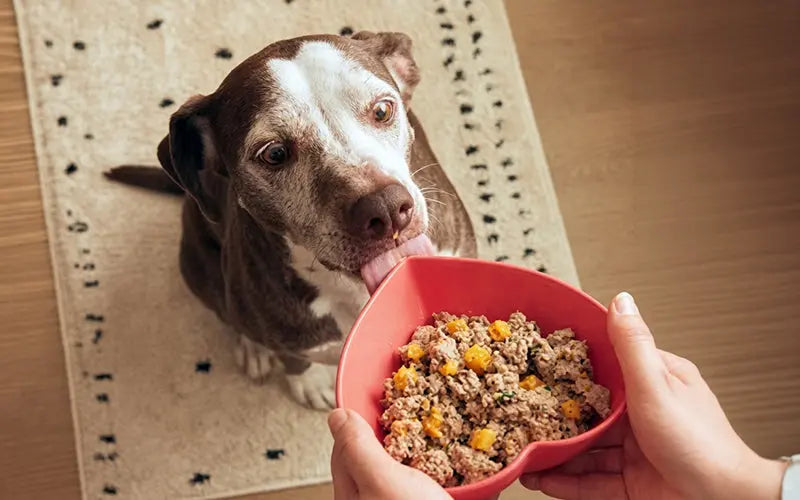
BLEP fresh dog food is made with 100% natural, human-grade ingredients and provides complete and balanced nutrition using meat-first recipes. It contains zero preservatives, zero sugar, zero chemicals, and zero fillers, and is designed to support everyday health through high-quality nutrition.
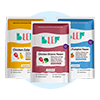
For dogs that benefit from extra hydration or a nutritious meal topper, BLEP's bone broths for dogs are naturally rich in moisture, collagen and antioxidants. It can be served as a soup, added to meals or even frozen as treats for summer.
German Shepherds that are ageing, highly active, have sensitive stomachs or skin issues may also benefit from targeted nutritional support through supplements for dogs. BLEP's preventive supplement chews are vet formulated, made with human-grade ingredients, and cold pressed under 25°C to help preserve ingredient potency.
So, how can you help keep your German Shepherd healthy?
While some German Shepherd health problems have a strong genetic component, good nutrition remains one of the most important ways to support lifelong health.
Feeding a balanced, meat-first diet, maintaining a healthy body weight, supporting joint health, and working closely with your veterinarian can help your German Shepherd stay active and comfortable for years to come.
Frequently Asked Questions
What health problems are German Shepherds most prone to?
German Shepherds are commonly predisposed to hip dysplasia, elbow dysplasia, degenerative myelopathy, gastric dilatation-volvulus (bloat), skin allergies, digestive sensitivities, and osteoarthritis.
Can nutrition prevent hip dysplasia?
No. Hip dysplasia is primarily influenced by genetics, and OFA data suggests around 1 in 5 German Shepherds are affected to some degree. However, maintaining a healthy body weight and feeding a balanced diet can help reduce unnecessary stress on the joints that can exacerbate hip dysplasia.
What is the best diet for a German Shepherd?
A complete and balanced, meat-first diet that provides high-quality protein, healthy fats, vitamins, minerals, dietary fibre for good bowel movement, and an adequate amount of moisture is generally recommended to support overall health. These are the components that come together in BLEP fresh dog food.
Should German Shepherds take joint supplements?
Yes. German Shepherds as a breed are prone to joint issues. A preventive joint supplement for dogs with ingredients like glucosamine, chondroitin, and green-lipped mussel extract can help keep them comfortable and flexible for longer, even if it can't cure any joint disease. This is particularly true for senior and highly active GSDs.
Can bone broth help German Shepherds?
Bone broth for dogs can be used as a flavourful meal topper to increase moisture intake and encourage hydration. It should complement, not replace, a complete and balanced diet.
How can I reduce my German Shepherd's risk of arthritis?
Maintaining a healthy weight, providing regular exercise, feeding balanced nutrition, and seeking early veterinary advice for joint concerns can all help support joint health.
Why do German Shepherds have sensitive stomachs?
Some German Shepherds are prone to digestive sensitivity due to genetics or food intolerances. Feeding highly digestible, high-quality food may help support digestive health. Gut supplements, too, can support the gut microbiome of dogs, giving some digestive relief.
At what age do German Shepherds develop joint problems?
Some developmental conditions can appear during puppyhood, while osteoarthritis is more commonly seen in middle-aged and older dogs. Early veterinary monitoring is recommended for at-risk dogs.
Looking to explore more tips on how to look after your furry friend? Check out our other guides like Can Dogs Eat Apples?, Can Dogs Eat Blueberries?, Dog Food for Weight Loss, Raw v/s cooked meat for dogs, Home Remedies to cure tick fever, Finding Good Dog Food in India, How many times should I feed my dog?, Things you should do to keep your pet healthy, Types of Dog Food, How Prebiotics and Probiotics can improve your dog's digestion, Essential Tips for a New Dog Parent, and others. Each guide is designed to help you make better food and care choices for your dog, to keep them happy, healthy, and thriving.
Resources:
-
American College of Veterinary Surgeons (ACVS). Hip Dysplasia in Dogs. https://www.acvs.org/small-animal/canine-hip-dysplasia/
-
American College of Veterinary Surgeons (ACVS). Elbow Dysplasia. https://www.acvs.org/small-animal/canine-elbow-dysplasia/
-
American Kennel Club. German Shepherd Dog Health. https://www.akc.org/dog-breeds/german-shepherd-dog/
-
Veterinary Information Network (VIN). Body Condition Scoring in Dogs. https://www.vin.com/apputil/content/defaultadv1.aspx?id=5947818&pid=11387
-
American Animal Hospital Association (AAHA). Nutritional Assessment Guidelines for Dogs and Cats. https://www.aaha.org/wp-content/uploads/globalassets/02-guidelines/nutritional-assessment/nutritionalassessmentguidelines.pdf