







Key Takeaways:
-
Signs that a dog's gut needs supplement support include chronic loose stools, excessive gas, itchy skin, recurring ear infections, low energy, and behavioural shifts linked through the gut-brain axis.
-
Effective gut supplements work on multiple layers simultaneously, repopulating beneficial bacteria, repairing intestinal lining tight junctions, improving enzyme-driven nutrient absorption, and soothing gut inflammation.
-
Multi-strain probiotic formulas combining strains like Enterococcus faecium, Bacillus coagulans, and Lactobacillus rhamnosus offer broader gut coverage than single-strain products, especially after antibiotic treatment.
-
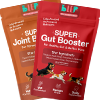
L-glutamine, zinc carnosine, and tributyrin are critical gut-lining support ingredients that strengthen intestinal barriers, help maintain gut-lining integrity, and reduce system-wide inflammation. That’s why all of these have been added in BLEP SUPER Gut Booster daily supplement chews.
-
Gut supplements should be given for at least 4-6 weeks before evaluating results, while avoiding use in immunocompromised dogs, puppies under three months, pregnant dogs, and those with severe bloody diarrhea.
If your dog has chronically itchy skin, unexplained loose stools, poor immunity, recurring ear infections, poor appetite, and low energy, they may benefit from a gut supplement. High-quality gut supplements can support the gut microbiome, digestion, intestinal lining, and immune health. However, dogs with severe illness or bloody diarrhea should be evaluated by a veterinarian first.
What is the gut microbiome?
A dog's digestive tract is home to millions of microorganisms that do a lot more than just digest food. This is the gut microbiome. They help absorb the nutrients from the food, train the immune system, produce essential nutrients, regulate mood, and keep inflammation in check. When the gut microbiome is balanced, your dog thrives. When it's not, the effects can ripple across their entire body.
Gut imbalance (or dysbiosis) can occur for many reasons: long-term feeding of poor quality ultra-processed diets, a course of antibiotics, a sudden diet change, stress from boarding or travel, an infection, etc. Left unaddressed, it can affect everything from digestion, to skin and coat quality to energy levels and behaviour.
So how do you know if your dog's gut needs some support? And what can a supplement actually do? Let’s do a deep dive!

What are the signs that my dog needs a gut supplement?
-
Frequent loose stools or diarrhea.
-
Excessive gas, bloating, or gurgling sounds from the belly.
-
Vomiting or nausea, especially after meals.
-
Itchy skin, recurring ear infections, or hot spots.
-
Low energy or lethargy that doesn't have an obvious cause.
-
Changes in appetite, when your dog starts eating less or showing little enthusiasm for meals.
-
Anxiety or behavioural shifts, because the gut and brain are connected through the gut-brain axis.
If you notice several of these signs together, it's worth speaking to your vet about incorporating a gut supplement in their daily dietary routine.
What causes gut imbalance in dogs?
-
Antibiotics
-
Sudden diet changes
-
Ultra-processed diets
-
Chronic stress
-
Infections
-
Parasites
-
Food intolerances
-
Ageing
What does a gut supplement do?
A well-formulated gut supplement works on multiple layers of digestive health at once. Rather than simply treating a symptom, a good supplement aims to:
-
Repopulate and support beneficial bacteria: Reintroduces and sustains good bacteria that may have been disrupted by preservatives, antibiotics, stress, illness, or sudden diet changes, restoring a balanced gut microbiome.
-
Repair and maintain the intestinal lining: Strengthens the gut wall's tight junctions using ingredients like L-glutamine and zinc carnosine, preventing ‘leaky-gut syndrome’ in which harmful particles leak into the bloodstream. This also helps prevent full-body inflammation.
-
Improve digestion and nutrient absorption: Supplies key digestive enzymes, such as protease, amylase, lipase, and cellulase, which help break down food efficiently so your dog actually gets the nutrition they need.
-
Soothe inflammation in the gut: Calms irritated gut tissue using botanical ingredients like slippery elm, marshmallow root, and ginger, creating a healthier environment for long-term digestive recovery.
The most effective formulas combine several of these approaches together: probiotics, prebiotics, postbiotics, enzymes, gut-lining support ingredients, and botanicals. This creates a 360° synergistic effect that improves your dog’s life in multiple ways.That's exactly the philosophy behind SUPER Gut Booster dog gut supplement, which combines all of these categories into one daily chew instead of relying on probiotics alone.

What ingredients should a dog gut supplement contain?
Not all gut supplements are created equal. The most scientifically supported formulas include a thoughtful combination of the following ingredient categories:
Probiotics (Beneficial live bacteria)
Probiotics are the live microorganisms that directly populate the gut. A study in the Journal of Veterinary Internal Medicine showed that strains like Enterococcus faecium may help shorten the duration of diarrhea in dogs, while Bacillus coagulans and Bacillus subtilis are particularly resilient strains that survive well in the digestive tract and have been found to improve stool quality and gut microbiota composition. Lactobacillus rhamnosus, Lactobacillus plantarum, Lactobacillus reuteri, and Saccharomyces boulardii are also well-studied strains that support gut balance, particularly during and after antibiotic treatment or gastrointestinal distress. Multi-strain formulas tend to offer broader coverage than single-strain products.
Prebiotics (Food for good bacteria)
Prebiotics are non-digestible fibres that feed and sustain beneficial bacteria in the large intestine. Inulin from chicory root, fructooligosaccharides (FOS), galactooligosaccharides (GOS), and mannan-oligosaccharides (MOS) are among the most extensively studied prebiotics in veterinary nutrition. Research published in peer-reviewed journals has shown that FOS and inulin supplementation in dogs can positively shift the composition of the gut microbiota and support beneficial bacterial populations like Lactobacillus and Bifidobacterium. Beta-glucan and partially hydrolysed guar gum (PHGG) also contribute to gut motility and stool consistency.
Postbiotics (Compounds that do the work)
Postbiotics are the beneficial compounds produced when probiotics ferment prebiotics. We can think of them as the end products that actually get to work in the gut and bloodstream. Saccharomyces cerevisiae fermentate and Lactobacillus acidophilus fermentate are examples that support immune function and gut barrier integrity, even without live bacteria present.
Digestive enzymes
Enzymes like protease, amylase, lipase, and cellulase help break down proteins, carbohydrates, fats, and plant fibres respectively. When the gut is under stress, enzyme production can decline, leading to incomplete digestion and nutrient malabsorption. Supplementing these can ease the digestive burden and improve how effectively your dog extracts nutrients from their food.
Botanical gut soothers
Slippery elm bark has long been used in veterinary and integrative medicine for its mucilage content: a gel-like substance that coats and soothes the gastrointestinal lining. Marshmallow root works in a similar way, forming a protective layer over irritated gut tissue. Ginger supports healthy digestive motility, while fennel helps reduce gas and bloating. Yucca schidigera has been shown to support a healthy inflammatory response in the gut.
Active gut-lining support ingredients
L-glutamine is an amino acid that serves as the primary fuel source for the cells lining the intestinal wall. A University of Tennessee study has also shown how it plays a critical role in maintaining gut barrier integrity and is frequently recommended in veterinary integrative medicine for dogs experiencing leaky gut or chronic gut inflammation. Zinc carnosine helps strengthen the tight junctions of the intestinal lining, reducing permeability and supporting repair and maintenance of the tissue. Tributyrin is a precursor to butyrate, a short-chain fatty acid that nourishes the cells of the colon and supports a healthy gut environment.
While many supplements include one or two of these categories, finding all of them in a single formula isn't easy. That's why we developed SUPER Gut Booster dog gut supplement, combining probiotics, prebiotics, postbiotics, digestive enzymes, gut-lining nutrients, and botanical gut soothers in one daily chew.
What should I look for in a dog gut supplement?
Here are a few things you should check for when looking for a gut supplement for your dog:
✓ Multi-strain probiotics
✓ Prebiotics
✓ Postbiotics
✓ Digestive enzymes
✓ Gut-lining support (glutamine, zinc carnosine)
✓ Transparent CFU count
✓ Stability at room temperature
✓ Vet-approved formulation
SUPER Gut Booster dog gut supplement was formulated around this checklist, making it easier for pet parents to choose a complete gut-support formula without having to compromise on key ingredients.

SUPER Gut Booster: BLEP's gut supplement
Because BLEP has always believed that nutrition is the foundation of long-term health, we wanted to create a supplement for dogs that followed the same philosophy. That’s why we built BLEP SUPER Gut Booster dog gut supplement to support the gut microbiome, gut lining, digestion, and inflammation. It's powered by 5+ billion CFU and 9 probiotic strains, working alongside prebiotics, postbiotics, digestive enzymes, and gut-soothing herbs: all in one daily supplement.
Together, these ingredients work to balance your dog's gut microbiome, ease bloating, and support firmer, more consistent stools over time. SUPER Gut Booster is formulated by vets, made with human-grade ingredients, and cold-pressed under 25°C to preserve every active ingredient, so your dog gets the full benefit of each strain and nutrient, batch after batch. This low-temperature process helps preserve heat-sensitive probiotics, digestive enzymes, and botanical ingredients that can lose activity when exposed to higher temperatures.
Paired with BLEP's fresh dog food, SUPER Gut Booster dog gut supplement gives your dog's gut the daily support it needs for long-term health and balance.
How to check if the gut supplements are working for my dog?
Results from gut supplementation don't happen overnight, but there are some signs that things are moving in the right direction. Give any supplement at least 4–6 weeks before evaluating its impact. Signs of improvement may include:
-
Firmer, more consistent stools.
-
Less gas and bloating.
-
Improved coat quality and reduced skin irritation and itching.
-
More energy and enthusiasm during walks or play.
-
Steadier appetite and reduced digestive upset after meals.
Keep a simple log noting your dog's stool quality, energy, appetite, and any symptoms each week. This will help you and your vet track progress and make informed decisions.
When should I not give gut supplements to my dog?
Gut supplements are generally safe for most healthy adult dogs, but there are situations where caution is warranted:
-
Severely immunocompromised dogs: They should only receive supplements under veterinary supervision, as their immune systems may be unable to manage even beneficial bacterial strains.
-
Dogs with acute, severe, or bloody diarrhea: Such symptoms may be due to serious health conditions that need direct treatment. Therefore, pet parents should see a vet before starting any supplement for these dogs.
-
Dogs on specific medications: Dogs on medications like immunosuppressants or certain antibiotics should have any new supplement reviewed by a vet first.
-
Puppies: It is best to not give supplements to puppies who are less than 3 months old, since their systems are still in the developmental stage.
-
Pregnant dogs: Dogs who are pregnant shouldn’t be given any supplement without veterinary approval.
If your dog shows any adverse reaction, such as increased vomiting, worsening diarrhea, or signs of allergic response, discontinue use and consult your vet.

How can your dog’s diet help keep the gut healthy?
Dogs need high-quality protein, essential fatty acids, digestive fibre, crucial vitamins, minerals, and hydration from their food. This is the foundational block of their nutritional needs and gut health.
BLEP fresh dog food provides the nutritional foundation for a healthy gut, while SUPER Gut Booster dog gut supplement provides targeted support through probiotics, prebiotics, postbiotics, digestive enzymes, gut-lining nutrients, and botanicals. Together, they create a comprehensive daily gut-health routine.
You can also feed your dog BLEP bone broth, that’s packed with hydration and collagen. Collagen provides key amino acids like glycine and glutamine, which repair and strengthen the intestinal lining. This stronger barrier improves nutrient absorption and soothes inflammation.
Frequently Asked Questions
Can I give my dog human probiotics?
No, only give dogs probiotics that are suited to canine needs. Human probiotic strains are selected for the human gut environment and may not colonise or survive well in a dog's digestive tract. Dog-specific strains, such as Enterococcus faecium, Bacillus coagulans, and Lactobacillus animalis, are better suited to your dog's unique gut biology.
How long does it take for a gut supplement to work?
Many dogs show early signs of improvement, particularly around stool quality, in a couple of weeks. For more deep-rooted issues like skin, immunity, and inflammation, allow 4–8 weeks of consistent use before evaluating the full benefit. Remember, consistency is key.
Can I give my dog a gut supplement every day?
Yes, daily use is generally safe and often recommended for ongoing gut maintenance. Always follow the dosage on the product and consult your vet if your dog has existing health conditions.
My dog is on antibiotics. Should I give them a gut supplement?
This is one of the best times to consider a probiotic, as antibiotics can significantly disrupt the gut microbiome. A probiotic yeast called Saccharomyces Boulardii has been specifically added in the SUPER Gut Booster dog gut supplement for this.
Are there any side effects from gut supplements?
Most dogs tolerate gut supplements well. However, some dogs may get stomach issues if they’re allergic to one or more of the ingredients used. If stomach trouble persists more than 24 hours, you may want to stop feeding the supplement and get an allergy test done.
Do senior dogs need gut supplements more than younger dogs?
Older dogs often experience a natural shift in their gut microbiome, reduced enzyme production, and slower digestive motility. All of this can benefit from targeted supplement support. Senior dogs are often strong candidates for gut supplementation.
My dog seems healthy. Should they still take a gut supplement?
A balanced gut isn't just for dogs with digestive issues, it supports immunity, skin, mood, and long-term wellbeing. Many owners use gut supplements proactively to maintain their dog's health rather than waiting for problems to appear. That said, it's always a good idea to check with your vet before starting any new supplement routine.
Can gut supplements help after antibiotics?
Yes, giving your dog gut supplements after a round of antibiotic treatment can help reduce antibiotic-induced diarrhea, especially if the supplement contains ingredients like Saccharomyces boulardii, Lactobacillus Rhamnosus, etc.
Can gut supplements help itchy skin in dogs?
Yes, gut supplements can reduce itchiness in dogs if the itching is linked to gut dysbiosis, food sensitivities, or immune-system imbalance. Around 70–80% of the immune system is associated with the gut, and an imbalanced gut microbiome can contribute to increased inflammation throughout the body. So, a supplement that brings back the balance in the gut can naturally help reduce itchiness in dogs. That's why SUPER Gut Booster dog gut supplement isn't designed only for digestion. By supporting gut balance, it may also help dogs whose skin issues are linked to gut dysbiosis and systemic inflammation.
What foods improve gut health in dogs?
A high-quality, 100% natural dog food like BLEP fresh dog food is great for dog’s gut health because it's easy to digest, contains zero fillers or preservatives, and has fibre-rich veggies like pumpkin, broccoli, carrot, etc. There are no chemicals or additives that may trigger gut sensitivity or cause disruption in digestion.
Looking to explore more tips on how to look after your furry friend? Check out our other guides like Can Dogs Eat Apples?, Can Dogs Eat Blueberries?, Dog Food for Weight Loss, Raw v/s cooked meat for dogs, Home Remedies to cure tick fever, Finding Good Dog Food in India, How many times should I feed my dog?, Things you should do to keep your pet healthy, Types of Dog Food, How Prebiotics and Probiotics can improve your dog's digestion, Essential Tips for a New Dog Parent, and others. Each guide is designed to help you make better food and care choices for your pet, to keep them happy, healthy, and thriving.
Resources:
-
https://www.petmd.com/dog/general-health/probiotics-dogs-what-you-need-know
-
https://www.frontiersin.org/journals/veterinary-science/articles/10.3389/fvets.2025.1617072/full
-
https://isappscience.org/are-prebiotics-good-for-dogs-and-cats-an-animal-gut-health-expert-explains/
-
https://ivcjournal.com/a-nutritional-approach-to-leaky-gut-syndrome-in-dogs-and-cats/
-
https://thepetlabco.com/learn/dog/health-wellness/fructooligosaccharides-for-dogs
-
https://www.sciencedirect.com/science/article/pii/S0022316623021181
-
https://biologicalsciences.uchicago.edu/news/food-preservatives-gut-microbiome