






Key Takeaways:
-
BHA, BHT, and ethoxyquin are synthetic preservatives commonly found in commercial dog food, linked to tumour promotion, liver damage, kidney stress, and metabolic disease through cumulative daily exposure.
-
The concern around preservatives is not single-dose toxicity but bioaccumulation over years, as fat-soluble compounds like BHA and BHT build up in body tissue gradually.
-
Retort cooking technology achieves 12-month shelf life without any preservatives by sealing food in pouches before sterilisation, preventing all contact with outside microbes after sealing.
-
Labels listing only "permitted preservatives" without naming specific compounds are a significant red flag, offering zero transparency about which potentially harmful chemicals are actually present.
-
Truly clean dog food must go beyond zero preservatives, also eliminating added sugar, low-quality fillers, vague protein sources, and artificial colours that cause additional long-term health concerns.
If you have been reading dog food labels lately and wondering whether preservatives are really something to be concerned about, you are asking exactly the right question. Most ultra-processed dog food available in India today contains some form of preservative, added to extend shelf life and prevent fats from going rancid. They may be on the label as ‘Permitted Preservatives’, which gives zero clarity as to which exact preservatives are being used. This is especially concerning because many common dog food preservatives have been linked to inflammation and systemic health issues in animals in a number of studies.
This blog breaks down what preservatives actually are, which ones to avoid, what to look for instead, and how choosing a preservative free dog food can make a real difference to your dog's long-term health.

What are preservatives doing in your dog's food?
Preservatives in dog food serve a straightforward purpose: preventing spoilage. Fats and oils in pet food are particularly vulnerable to oxidation, a process that causes rancidity and makes food unsafe. Without any preservatives, most ultra-processed dog food would have a very short shelf life and would need to be refrigerated or consumed quickly.
The problem is that the pet food industry has historically relied on cheap synthetic chemicals to do this job. These compounds are effective at preserving food, but the same properties that make them chemically stable can also make them hard for a dog's body to process over time.
The preservatives to be cautious about
BHA (Butylated Hydroxyanisole)
BHA is one of the most common synthetic preservatives found in commercial pet food. The International Agency for Research on Cancer has classified BHA as a possible human carcinogen, and the National Institutes of Health notes that dietary exposure to BHA caused tumours in the forestomach of rats, mice, and hamsters in long-term studies. With daily, repeated exposure over months and years, it can accumulate and place a growing burden on the liver and kidneys, the organs responsible for filtering toxins from the body.
BHT (Butylated Hydroxytoluene)
BHT is chemically similar to BHA and is often used alongside it in pet food formulations. Multiple animal studies have linked BHT to liver and kidney damage. Its use has been restricted as a food preservative in Japan, Australia, Sweden, and Romania, though it continues to be used in many countries, including in pet food. Like BHA, BHT is also fat-soluble. It also raises concerns about the long-term effect of daily exposure in dogs eating the same food repeatedly.
Ethoxyquin
Ethoxyquin was originally developed as a pesticide and rubber stabiliser before being adopted by the pet food industry. It is restricted for use in human products, yet it continues to appear in some pet food formulations. Research has linked it to liver dysfunction, blood abnormalities, and an increased risk of certain metabolic diseases in animal studies.
It is worth noting that regulatory bodies like the FDA and AAFCO currently consider these preservatives safe at approved doses in pet food. However, the concern for many pet parents and veterinarians is not about a single dose but about the cumulative effect of a dog eating the same preservative-laden food every day for years.

How preservative-free dog food works
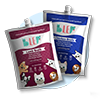
You might wonder how a dog food can be shelf-stable without any preservatives. The answer lies in the production method. BLEP dog food, for example, uses a retort cooking process in which all the wholefood ingredients are washed, cut and mashed together to form a mixture that is then poured into special retort pouches and sealed. These sealed packs are then gently cooked at a safe temperature to sterilise it. Because the food never comes into contact with outside microbes after sealing, the sealed packs remain safe and fresh for up to 12 months from the date of manufacturing, without any preservatives.
This is the same principle used in retort packaging for human food, and it is a clean, science-backed way to produce no preservative dog food that is genuinely shelf-stable.
What else should you look for in a clean dog food?
Preservatives are an important piece of the puzzle, but they are not the only thing worth checking on a label. A truly clean dog food should also be free of:
Added sugar: This contributes to obesity, dental disease, and insulin resistance in dogs over time.
Low-quality fillers: Bulking agents like corn, soy, and wheat dilute the nutritional value of the food and can be difficult for dogs to digest properly.
Vague protein sources: Ingredients such as "meat meal" or "animal by-products," indicate highly processed, low-bioavailability ingredients that do not tell you much about what your dog is actually eating.
Artificial colours and flavours: These serve no nutritional purpose and can cause sensitivities and digestive issues with repeated exposure.
A good ingredient list is one you can read and understand. Named protein sources, recognisable vegetables, and no chemical additives. That is the standard that a zero preservative dog food should meet.

BLEP dog food: zero preservatives, nothing hidden
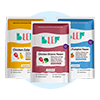
BLEP's dog food is made with 100% natural, human-grade ingredients, with zero preservatives, zero added sugar, zero starch, and zero fillers. Every recipe leads with a clearly named protein source, whether that is chicken breast, minced lamb, mackerel, or paneer, followed by whole vegetables, fruits, seeds, cold-pressed oils, and other nutrients that dogs require for a healthy, balanced meal. Nothing is hidden, and nothing needs to be.
The meals come in individual portion-sized packs, making it easy to feed your dog the right amount every meal without overfeeding. BLEP dog food is naturally hydrating, which supports kidney health and digestion. And because they are made with genuine whole-food ingredients, the protein and nutrients in every pack are more readily absorbed and used by your dog's body than those in heavily processed alternatives.
If you are ready to make the switch, you can explore BLEP's full range of preservative free dog food and find the right recipe for your dog.

Frequently Asked Questions
What does preservative-free dog food mean?
Preservative-free dog food contains no artificial chemical preservatives like BHA, BHT, or ethoxyquin. For example, BLEP dog food, a preservative-free dog food, relies on production methods like retorting whose packaging gives the food a 12-month shelf life, making preservatives unnecessary altogether.
Are preservatives in dog food really harmful?
Research has linked synthetic preservatives like BHA and BHT to a number of health issues in animal studies. Long-term use may put stress on the kidneys and liver because these are excreted by the organs. While regulatory bodies currently consider them safe at approved doses, many veterinarians recommend avoiding them for long-term safety, particularly for dogs eating the same food every day.
How can dog food be shelf-stable without preservatives?
Some dog food brands use retort cooking, a method in which food is sealed in individual packs and then cooked at a safe temperature for sterilisation. Because the sealed food has no contact with outside microbes, it remains safe for up to 12 months from the date of manufacturing, without any preservatives. This is the same principle used in retort packaging for human food.
What should I check on a dog food label to avoid harmful preservatives?
Look for BHA, BHT, ethoxyquin, propyl gallate, and TBHQ on the ingredient list. If any of these appear, the food contains synthetic preservatives. Ingredient listed simply as "permitted preservatives" or with an E-number you cannot identify are also worth investigating further.
Is preservative-free dog food better for my dog?
Yes. For all dogs eating the same food every day, removing preservatives from their diet reduces their cumulative exposure to compounds that have been linked to organ stress and other long-term health concerns. Paired with high-quality whole-food ingredients, preservative-free dog food supports better overall health, digestion, coat condition, and energy levels.
Can preservative-free dog food be stored for long?
Yes, provided it uses an appropriate preservation method. BLEP's retort-sealed packs, for example, can be stored in a cool, dry place for up to 12 months without refrigeration. Once the seal is opened, the remaining food in the pack (if any) should be refrigerated and served within 48 hours.
Is BLEP dog food completely preservative-free?
Yes. BLEP contains zero preservatives. The food is sealed using a retort process that sterilises the food without the need for any chemical additives, making every pack genuinely preservative-free, with a shelf life of up to one year.
Looking to explore more tips on how to look after your furry friend? Check out our other guides like Can Dogs Eat Apples?, Can Dogs Eat Blueberries?, Dog Food for Weight Loss, Raw v/s cooked meat for dogs, Home Remedies to cure tick fever, Finding Good Dog Food in India, How many times should I feed my dog?, Things you should do to keep your pet healthy, Types of Dog Food, How Prebiotics and Probiotics can improve your dog's digestion, Essential Tips for a New Dog Parent, What Are Kibbles for Dogs and How Are They Harmful? and others. Each guide is designed to help you make better food and care choices for your dog, to keep them happy, healthy, and thriving.