










Key Takeaways:
-
Thunderstorm anxiety is a recognised behavioural condition, not dramatics. Dogs react to loud noise, lightning flashes, barometric pressure shifts, and strong winds.
-
A safe space, a consistent routine, and mental enrichment are the foundation of managing storm anxiety, with desensitisation training offering longer-term improvement between storms.
-
Comforting a fearful dog does not reinforce their fear. Modern behavioural science has moved past this outdated advice.
-
Pheromone diffusers and vet-formulated calming supplements can support (not replace) behavioural management.
-
Contact your vet if your dog panics every storm, injures themselves, or refuses food for prolonged periods. Prescription options exist for severe cases.
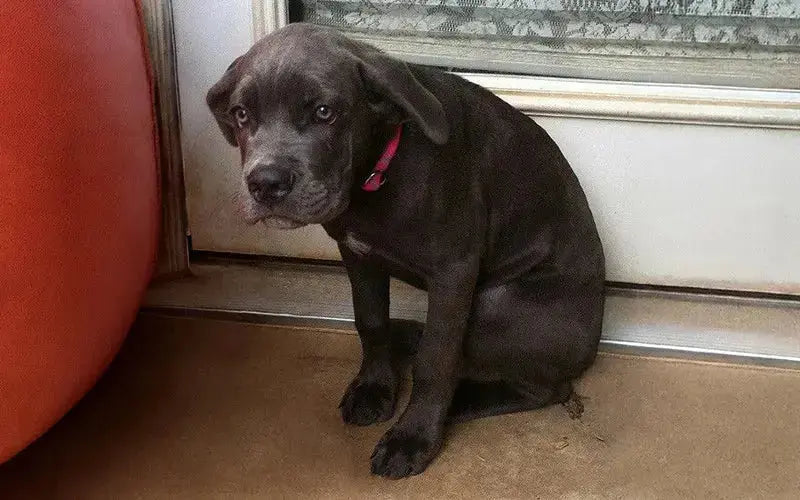
If your dog starts pacing, trembling, hiding under the bed or refusing to settle whenever dark clouds roll in, they're not being dramatic. Thunderstorm anxiety is a real behavioural condition that affects many dogs. While some may only become mildly restless, others can panic to the point of injuring themselves while trying to escape.
Most dogs can be helped with the right combination of environmental changes, behavioural support and, in some cases, calming supplements. Here's how you can make thunderstorms and long rainy days a little less stressful for your furry friend.

Why are dogs scared of thunderstorms?
Many people assume it's just the loud sound of thunder, but veterinary behaviourists believe dogs react to several aspects of a storm, including loud noises, flashes of lightning, changes in barometric pressure and strong winds. These factors can make thunderstorms unpredictable and frightening for sensitive dogs.
Noise aversion is one of the most common behavioural concerns seen in dogs, and a comprehensive review of the condition found that thunderstorm phobia can worsen over time if left unmanaged. That’s why early, proactive intervention matters more than waiting to see if it resolves on its own.
Signs your dog has storm anxiety
Every dog reacts differently. Common signs include:
-
Trembling or shaking
-
Pacing around the house
-
Panting even when it's cool
-
Hiding behind furniture or in bathrooms
-
Clinginess
-
Excessive barking or whining
-
Refusing food
-
Trying to escape through doors or windows
If these behaviours only occur during storms, storm anxiety is a likely cause.

10 ways to calm your dog during thunderstorms
1. Create a safe space
Give your dog a quiet place where they feel secure. This could be a crate covered with a blanket (if they're already crate-trained), a bedroom or even a bathroom without windows. Let them choose where they feel safest instead of forcing them into one spot.
2. Reduce sensory triggers
Closing curtains and windows before a storm begins can cut down on both the visual flash of lightning and outside noise. Pairing this with soft music, white noise, or the television running in the background helps mask the sound of thunder. It won't eliminate it completely, but it can reduce sudden startling sounds.
3. Stay calm yourself
Dogs are remarkably good at reading our body language. Speak in a calm, cheerful voice and continue with normal household activities as much as possible.
Contrary to an old myth, modern veterinary behavioural medicine has moved away from the idea that comforting a fearful dog reinforces that fear. Fear is an emotional state, not a learned behaviour, and standard clinical behaviour guidance supports offering reassurance rather than withholding it. If your dog seeks reassurance, gentle petting or sitting beside them can help them feel more secure.
4. Keep their mind occupied
During heavy rains, walks may not be possible. Mental enrichment becomes even more important.
Try:
-
Food puzzle toys
-
Snuffle mats
-
Short indoor training sessions
-
Hide-and-seek with treats
-
Gentle scent games
Just 15–20 minutes of mental stimulation can be surprisingly tiring for many dogs.
5. Maintain routine and get exercise in early
Rainy days often disrupt walking schedules, but try to keep feeding times, bedtime and play sessions consistent. Predictable routines help dogs feel more secure during stressful situations. If the forecast predicts storms later in the day, an earlier walk or play session can also help your dog burn off energy before they're confined indoors.

6. Practice desensitisation between storms
One of the most effective long-term approaches, per standard behaviour-modification protocols, is gradual desensitisation and counter-conditioning: playing recordings of thunder at a very low volume during calm, relaxed moments (paired with treats or play), then slowly increasing the volume over multiple sessions. Done consistently over weeks, this can reduce a dog's baseline fear response over time. This works best started well before monsoon season and is often more effective when guided by a certified veterinary behaviourist.
7. Try pheromone diffusers
Synthetic dog-appeasing pheromone diffusers are commonly recommended by veterinary behaviourists as a low-risk, non-sedating way to support a calmer environment. They're not a stand-alone fix, but plugging one into the room your dog retreats to can complement the other changes on this list.
8. Consider a calming supplement
If your dog becomes anxious every monsoon, a vet-formulated calming supplement may help support relaxation as part of a broader management plan.
BLEP SUPER Stress Buster calming supplement for dogs is designed to promote calmness without causing drowsiness. It combines ingredients commonly used to support relaxation, including L-theanine, L-tryptophan, magnesium glycinate, chamomile, valerian root, lemon balm, passion flower, ashwagandha and omega-3 fatty acids. It supports mood regulation, muscle relaxation and stress management.
While no supplement can "cure" storm anxiety on its own, it can be a useful addition alongside environmental management and positive behavioural support.
9. Secure the home before the storm hits
Because escape attempts are one of the more dangerous signs of storm anxiety, check that gates, doors and windows are securely closed before a storm arrives, and confirm your dog's collar ID and microchip details are up to date. Panicked dogs can jump through the windows or bolt through gaps they'd normally never attempt, so this is worth doing as routine prep, not just an afterthought.
10. Speak to your veterinarian if anxiety is severe
If your dog panics during every storm, injures themselves, destroys furniture or refuses to eat for prolonged periods, it's time to seek veterinary advice. Your vet may discuss behaviour modification, referral to a certified veterinary behaviourist, or prescription medication for dogs whose fear goes beyond what home management can address. This isn't a first-line step for mild anxiety, but it's worth knowing it's an option for dogs who need more support.

Should You Comfort a Dog During a Thunderstorm?
Yes.
Older advice suggested ignoring fearful behaviour to avoid "rewarding" anxiety. However, current clinical behavioural guidance is clear that fear is an emotion, not a behaviour your dog chooses to perform for attention. Offering calm reassurance, gentle touch or simply sitting nearby does not teach your dog to become more fearful. What matters is staying relaxed yourself and avoiding frantic reactions.
Building long-term storm confidence in your dog
For many dogs, thunderstorms are more than just a noisy inconvenience, they're genuinely frightening. Fortunately, simple changes like creating a safe space, maintaining a routine, providing mental enrichment, practising desensitisation ahead of the season, and offering calm reassurance can make a real difference.
If your dog experiences storm anxiety every monsoon, it's worth taking a proactive approach rather than waiting for the next thunderstorm. Combining behavioural strategies with a vet-formulated calming supplement for dogs like BLEP SUPER Stress Buster may help your dog feel more relaxed, comfortable and confident throughout the rainy season.
Frequently Asked Questions
Can thunderstorms cause anxiety in dogs?
Yes. Thunderstorm phobia is a recognised behavioural condition in dogs and may worsen over time if left untreated.
Should I ignore my dog when they're scared?
No, this is an old myth. Modern veterinary advice is to remain calm yourself and comfort your dog if they seek reassurance.
Can I walk my dog during a thunderstorm?
It's generally safer to avoid walks during lightning or severe storms. Indoor enrichment is a better option until conditions improve.
Do calming supplements make dogs sleepy?
Not all of them. Products formulated with ingredients that promote relaxation without sedation keep your dog focused but calm like BLEP SUPER Stress Buster calming supplements for dogs.
Can thunderstorms make my dog stop eating?
Yes. Stress and anxiety can temporarily reduce appetite in some dogs. If your dog refuses food for more than 24 hours or shows other signs of illness, contact your veterinarian.
Is there medication for dogs with severe storm anxiety?
For dogs whose fear is significant, a vet may discuss prescription medication alongside behavioural management. This is generally reserved for more severe cases and should always be guided by your veterinarian rather than self-selected.
Looking to explore more tips on how to look after your furry friend? Check out our other guides like Can Dogs Eat Apples?, Can Dogs Eat Blueberries?, Dog Food for Weight Loss, Raw v/s cooked meat for dogs, Home Remedies to cure tick fever, Finding Good Dog Food in India, How many times should I feed my dog?, Things you should do to keep your pet healthy, Types of Dog Food, How Prebiotics and Probiotics can improve your dog's digestion, Essential Tips for a New Dog Parent, and others. Each guide is designed to help you make better food and care choices for your dog, to keep them happy, healthy, and thriving.
References:
-
Merck Veterinary Manual. Behavior Modification in Dogs. https://www.merckvetmanual.com/dog-owners/behavior-of-dogs/behavior-modification-in-dogs
-
PetMD. Thunderstorm Phobias in Dogs. https://www.petmd.com/dog/conditions/behavioral/c_dg_thunderstorm_phobias
-
Sherman BL, Mills DS. Canine Anxieties and Phobias: An Update on Separation Anxiety and Noise Aversions. Veterinary Clinics of North America: Small Animal Practice. 2008;38(5):1081-1106. https://doi.org/10.1016/j.cvsm.2008.04.012
-
Coren S. Psychology Today. Do Humans Serve as a Safe Haven for Stressed Dogs? https://www.psychologytoday.com/us/blog/canine-corner/201303/do-humans-serve-safe-haven-stressed-dogs