






Key Takeaways:
-
Up to 70% of a dog's immune cells may reside in and around the digestive tract, so gut health influences energy, skin, mood, and immunity.
-
Common signs of poor gut health in dogs include frequent loose stools, excessive gas, dull coat, itchy skin, and loss of appetite.
-
Pumpkin, curd (in small amounts), bone broth, and fibre-rich vegetables are simple, gut-friendly additions to your dog's diet.
-
Probiotics and prebiotics may help restore microbial balance, especially after illness or a course of antibiotics.
-
India's hot climate, monsoon-related bacterial exposure, and protein-deficient home diets can put extra strain on a dog's digestive system.
- The best dog food for gut health uses real, whole ingredients, avoids chemical preservatives and fillers, and provides adequate hydration.
A dull coat that no amount of grooming fixes. Gas that clears a room. Energy dips that seem to come from nowhere. Most pet parents look at these as separate problems, but they often trace back to the same place: your dog's gut.
Dog gut health is not just about digestion. Up to 70% of your dog's immune cells may sit in the digestive tract, which means what happens in the gut can affect the skin, the coat, the mood, and even immunity. In India, where hot weather, monsoon bacteria, and protein-light home diets are common, the gut takes more hits than most pet parents realise.
So how do you know if your dog's gut is struggling? What should you feed to support it? And what daily habits actually make a difference? Here is a simple, practical guide to dog gut health.

What is the gut microbiome and why does it matter?
The gut is more than a digestion machine. Here is what is actually happening inside your dog's belly.
Your dog's gut is a busy ecosystem
Your dog's digestive tract is home to trillions of microorganisms, mostly bacteria, along with some fungi and yeasts. Together, these make up the gut microbiome. When balanced, a healthy microbiome supports your dog's ability to fight infections, manage inflammation, and absorb nutrients from food properly.
The gut-brain connection
You may have noticed your dog gets an upset stomach when stressed, like during travel or fireworks season. The gut and brain communicate through what researchers call the gut-brain axis. Stress hormones like cortisol can alter gut bacteria, and an imbalanced gut can send signals back that affect mood and behaviour.
The gut-skin connection
The link between gut and brain gets most of the attention, but the gut talks to the skin too. Researchers call this the gut-skin axis. When the microbiome is out of balance, inflammation does not always stay in the belly. It can show up as itchy skin, a dull coat, flaky patches, or ear infections that keep coming back no matter how many medicated washes you try. If your dog's skin problems are not responding to topical treatment alone, gut health is worth looking into.
How to spot the signs of poor gut health in dogs
Some symptoms are obvious. Others build quietly over weeks. Watch for these.
Digestive red flags
- Frequent loose stools or diarrhoea that keeps coming back
- Excessive, foul-smelling gas or bloating
- Vomiting, especially bile (yellowish liquid) on an empty stomach
- Straining during bowel movements or constipation
Whole-body warning signs
- Dull, flaky coat or excessive shedding
- Itchy skin, hot spots, or recurring ear infections
- Loss of appetite or picky eating that seems to come out of nowhere
- Low energy or lethargy that cannot be explained by age alone
- Unexplained weight loss despite eating regular meals
If your dog shows more than one of these symptoms for longer than 48 hours, a vet visit is the safest next step.
What a healthy gut looks like
Knowing the warning signs is useful, but so is knowing what "normal" looks like. Firm stools on a regular schedule, consistent energy, a shiny coat, steady appetite, and minimal gas all point to a microbiome in good shape.

What causes gut problems in Indian dogs?
Knowing the signs is the first step. Next comes understanding what causes gut trouble, and in India, the causes can be quite specific.
Climate and seasonal risks
India's hot summers and monsoon season increase bacterial contamination in food and water. Food spoils faster in the heat, and dogs that drink from standing water are at higher risk. During the monsoon (June to September), refrigerate opened food within 30 minutes, keep your dog away from puddles, and consider adding probiotic support.
Common dietary issues
Many Indian households feed a mix of home-cooked food and commercial options. While home food can be part of a healthy diet, a few common habits strain the gut over time:
- Heavy reliance on leftover roti, rice, or dal without enough protein
- Feeding the same single recipe for months without variety
- Adding table scraps that may contain onion, garlic, or excessive spice, all of which are harmful for dogs
- Using ultra-processed treats with artificial colours and chemical preservatives
Overuse of antibiotics
Antibiotics can save lives, but they also wipe out beneficial bacteria alongside the harmful ones. If your dog has been on frequent courses, the microbiome may need time and support to rebuild. Always finish the full course your vet prescribes, and ask about post-antibiotic gut support.

Healthy gut foods for dogs you can start with today
Several whole, natural foods can support your dog's gut when introduced slowly.
Fibre-rich vegetables
Pumpkin is one of the most widely recommended gut-friendly foods for dogs. Cooked, plain pumpkin provides soluble fibre that can help firm up loose stools and feed beneficial bacteria. Carrots, green beans, and cooked bottle gourd (lauki) are also gentle options.
Bone broth
Bone broth is rich in collagen, which may help support the intestinal lining. A damaged lining can become "leaky," allowing bacteria and food particles to pass into the bloodstream. Bone broth also encourages hydration, a bonus in Indian summers.
Curd (in small amounts)
Plain, unsweetened curd can be a natural probiotic source for some dogs. Many dogs are lactose intolerant, though, so start with a teaspoon for small dogs or a tablespoon for larger ones and watch for gas or loose stools.
Prebiotic foods
Prebiotics are dietary fibres that feed the good bacteria already living in your dog's gut. Cooked sweet potato, oats, and apple (without seeds) are gentle sources.
Understanding probiotics and when to use them
Dog probiotics are live beneficial bacteria that may help restore microbial balance when given in the right amounts. Not a cure-all, but a useful tool in certain situations.
When probiotics may help
- After a course of antibiotics, to help replenish lost good bacteria
- During or after a digestive upset (under vet guidance)
- For dogs with recurring loose stools or chronic gas
- During stressful periods like travel, boarding, or festivals with loud noises
Choosing the right probiotic
Not all probiotics are the same. Look for strains studied in dogs, such as Lactobacillus acidophilus or Bifidobacterium animalis. A gut-support supplement formulated for dogs can simplify strain selection and dosing. Always check with your vet before starting any supplement.
Choosing the best dog food for gut health
Supplements and probiotics help, but they work best alongside the right base diet. Food with real, identifiable ingredients will always serve the microbiome better than processed fillers.
What to look for
- Named protein as the first ingredient: Chicken, lamb, or fish, not vague terms like "meat meal" or "animal by-products."
- Whole vegetables and grains: Pumpkin, broccoli, zucchini, and rice support fibre intake and nutrient absorption.
- No chemical preservatives: BHA, BHT, and ethoxyquin are synthetic preservatives that have raised concerns among veterinary nutritionists about potential effects on gut health.
- Adequate moisture: Dogs on dry-food-only diets may not drink enough water to compensate, affecting digestion in warm climates.

How to switch food without upsetting the gut
Sudden diet changes are a common cause of digestive upset. If switching your dog's food, do it gradually over 9 to 10 days. Start with 25% new food mixed with 75% of the current food, and slowly increase the ratio. The feeding guidelines page walks you through the exact day-by-day breakdown.
Getting the portions right
Even the best food can strain the gut if your dog is eating too much or too little. Overfeeding puts extra pressure on the digestive system and can lead to loose stools, bloating, and weight gain. Underfeeding means the gut does not get enough fuel to maintain a healthy bacterial balance. Every dog's calorie needs differ based on breed, weight, age, and activity level, so the diet calculator can help you work out exactly how much your dog needs per meal.
Simple daily habits that support gut health
What you feed matters most, but how you feed and care for your dog day to day also plays a role.
- Keep a consistent feeding schedule. Feeding at the same times each day helps regulate digestion and stool patterns.
- Ensure clean, fresh water at all times. Dehydration can slow digestion and worsen constipation, especially in Indian summers.
- Provide daily exercise. Regular physical activity stimulates gut motility and helps lower stress hormones that affect the microbiome.
- Track stools during transitions. A 10 to 14-day stool diary helps you spot problems early.
A cleaner bowl for a healthier gut
A healthy gut is a quiet gut. When everything works well, your dog wakes up with energy, eats without fuss, poops like clockwork, and sleeps deeply. Getting there starts with what goes into the bowl.
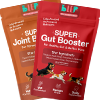
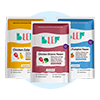
BLEP's gently cooked, natural dog food is made with human-grade ingredients, zero preservatives, and zero fillers, sealed using retort technology for a 12-month shelf life without chemicals. Pair it with chicken or lamb bone broth for hydration and gut-lining support, or try the SUPER Gut Booster for targeted digestive care. Not sure where to start? The trial pack lets your dog try multiple recipes before you commit.
FAQs
Can poor gut health cause skin problems in dogs?
Possibly. The gut and skin are connected through what researchers call the gut-skin axis. When the microbiome is out of balance, inflammation may show up as itchy skin, a dull coat, or recurring ear infections. Supporting digestive health through diet is the first step, and a targeted gut supplement like Blep’s SUPER Gut Booster can help restore microbial balance from the inside. Skin improvements typically follow over a few weeks as the gut settles.
How long does it take to improve a dog's gut health?
Most pet parents notice firmer stools and better energy within 2 to 4 weeks. Fully restoring a damaged microbiome can take 6 to 8 weeks, depending on the cause.
Is curd (dahi) safe for dogs as a probiotic?
Plain, unsweetened curd can work for dogs that tolerate dairy. Start small and watch for gas or loose stools. A tablespoon a few times a week is enough. Avoid flavoured or sweetened varieties.
Should I give my dog probiotics every day?
Daily use is generally safe, especially during recovery from illness or antibiotics. Probiotics work best as part of a balanced diet. Ask your vet for guidance on dosage and duration.
Does stress really affect a dog's gut?
Yes. Cortisol, the stress hormone, can alter the composition of gut bacteria and increase intestinal permeability. Dogs stressed by loud environments, separation anxiety, or routine changes may show digestive symptoms as a result.
When should I take my dog to the vet for gut issues?
See your vet if diarrhoea or vomiting lasts more than 48 hours, there is blood in the stool, your dog loses weight rapidly, refuses food entirely, or shows signs of dehydration like dry gums and lethargy.
Looking to explore more tips on how to look after your furry friend? Check out our other guides like Can Dogs Eat Apples?, Can Dogs Eat Blueberries?, Dog Food for Weight Loss, Raw v/s cooked meat for dogs, Home Remedies to cure tick fever, Finding Good Dog Food in India, How many times should I feed my dog?, Things you should do to keep your pet healthy, Types of Dog Food, How Prebiotics and Probiotics can improve your dog's digestion, Essential Tips for a New Dog Parent, and others. Each guide is designed to help you make better food and care choices for your dog, to keep them happy, healthy, and thriving.
Resources
- Keeping the 'bugs' in balance: GI microbiome health matters, Veterinary Practice News
- Understanding the diversity and roles of the canine gut microbiome, PMC / National Library of Medicine
- The canine gut microbiome is associated with higher risk of gastric dilatation-volvulus and high risk genetic variants of the immune system, PLOS ONE / PMC
- Disorders of the Stomach and Intestines in Dogs, Merck Veterinary Manual