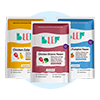







The best food for a cat's gut health is a high-quality, highly digestible diet built on named animal protein, with no artificial preservatives, fillers, or chemical additives. A healthy feline gut is characterised by a balanced microbiome (a beneficial ratio of good to bad gut bacteria), a strong and intact intestinal lining, efficient digestion, good nutrient absorption, and low levels of intestinal inflammation. Food that is poor in quality, heavily processed, or full of starchy fillers actively disrupts all of these.
Why does this matter?
-
Cats are obligate carnivores, and their gut is specifically designed to digest animal protein efficiently. A gut that is forced to process large quantities of plant starch, artificial additives, or low-quality protein by-products becomes inflamed and imbalanced over time. Research consistently shows that diets high in digestible animal protein support a more diverse and stable gut microbiome in cats, which in turn supports immunity, mood, and overall health.
-
The gut microbiome is not just about digestion. Research into the gut-brain axis and the gut-skin axis has shown that a well-balanced feline gut microbiome is associated with better immune responses, reduced skin inflammation, improved coat quality, and even lower levels of anxiety. Dysbiosis (an imbalanced gut microbiome) has been linked to a wide range of conditions in cats, including inflammatory bowel disease (IBD), food sensitivities, chronic vomiting, and recurrent diarrhoea.
-
Soluble dietary fibre, found in ingredients like pumpkin, sweet potato, and carrot, acts as a prebiotic in cats, feeding beneficial gut bacteria and helping regulate intestinal transit time. This contributes to firmer, more consistent stools and a healthier gut environment. However, too much fibre or the wrong type (insoluble fibre in excess) can actually worsen gut issues, particularly in cats already experiencing inflammation.
What do vets generally agree on?
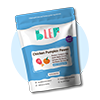
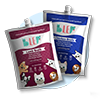
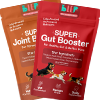
Vets broadly agree that gut health in cats is best supported by a consistent, high-quality, minimally processed diet rather than frequent food changes or highly processed formulations. Consistency matters: the gut microbiome takes time to stabilise around a particular diet, and switching foods frequently disrupts this balance. Probiotic support can help restore microbiome balance during or after illness, antibiotic treatment, or a dietary transition. High-heat processing used in manufacturing ultra-processed food kills beneficial bacteria and reduces the bioavailability of many nutrients that gut health depends on, including certain B vitamins, amino acids, and naturally occurring enzymes. Fresh, gently cooked cat food retains far more of this nutritional integrity. For example, BLEP cat food is made with 100% natural, human-grade ingredients, zero preservatives, and zero fillers, meaning every meal actively supports the gut rather than taxing it.
When to be careful?
If your cat is showing signs of gut distress (chronic vomiting, diarrhoea, constipation, or significant changes in appetite or stool consistency), do not attempt to self-manage through dietary changes alone. These symptoms can indicate IBD, parasites, hyperthyroidism, kidney disease, or other conditions that require a vet diagnosis before a dietary response makes sense. Feeding high-fibre food to a cat with active gut inflammation, for example, can make the situation worse rather than better. For cats transitioning to a fresh, gut-supportive diet like BLEP cat food from a heavily processed previous diet, a slow transition is essential. Follow the BLEP cat feeding guidelines to allow the gut microbiome time to adjust, which typically takes 2 to 4 weeks for full stabilisation.
Sources: