







The best food for indoor cats is a nutrient-dense, high-protein, moisture-rich diet that is carefully portioned to match their lower activity levels. Indoor cats live their entire lives within the walls of a home, which means they move significantly less than outdoor cats and are consequently at higher risk of weight gain, constipation, hairball issues, and boredom-driven overeating. Their food must therefore be high in quality to meet all their nutritional needs while being moderate enough in calorie density to avoid obesity.
Why does this matter?
-
Obesity is the most common preventable health condition in indoor cats. Studies estimate that over 60% of domestic cats in urban environments are overweight or obese, with indoor-only cats at significantly greater risk than outdoor ones. Excess weight in cats is linked to diabetes, joint problems, urinary tract disease, hepatic lipidosis (fatty liver), and a shortened lifespan. A diet with high protein and low unnecessary carbohydrate helps maintain lean muscle mass while controlling fat accumulation.
-
Indoor cats are also more prone to hairballs because they groom more frequently and have fewer opportunities for natural expulsion through exercise and movement. Diets with adequate moisture and soluble dietary fibre support intestinal motility, helping hair pass through the digestive tract rather than accumulating into hairballs. A diet that’s low in moisture and low in fibre makes hairball issues worse.
-
Mental stimulation and enrichment are important for indoor cats, and feeding habits are part of this. Puzzle feeders, portion-controlled mealtimes, and varied but consistent diet choices all contribute to a more engaged and less stressed indoor cat. Cats that are bored or anxious are more likely to overeat, which is another reason portion control and meal structure matter.
What do vets generally agree on?
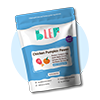
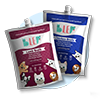
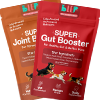
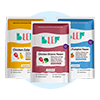
Veterinary consensus on indoor cat nutrition centres on three things: controlled portions, high protein from animal sources, and adequate moisture. Feeding to a consistent routine (two measured meals a day rather than free-feeding) is widely recommended for indoor cats to prevent overeating. High-protein diets keep indoor cats satiated for longer and better support lean body mass relative to fat mass. Moisture-rich food (fresh or wet) supports urinary tract health, which is particularly relevant for indoor cats who are less active and may already drink insufficient water. Some vets also recommend adding a small amount of fibre-rich vegetables like pumpkin or carrot to support hairball management and gut motility. BLEP cat food is made with human-grade animal protein, high moisture content, and zero calorie-padding fillers, making it easy to feed indoor cats exactly what they need without the excess that contributes to weight problems over time.
When to be careful?
Free-feeding (leaving food out all day) is particularly risky for indoor cats because it removes natural appetite regulation. If your cat is already overweight, gradual calorie reduction over several weeks is safer than abrupt restriction, which can cause hepatic lipidosis in cats. Never put an overweight cat on a crash diet without veterinary guidance. When transitioning an indoor cat to a new food, follow a gradual approach over 9 to 10 days. The BLEP cat feeding guidelines walk you through this step by step. Also keep in mind that indoor cats who have been on highly palatable, fresh food may be reluctant to eat during periods when that food is unavailable (during travel, a vet stay, or a temporary dietary change). Having a transitional plan ready for such occasions is always good practice.
Sources: