








The best food for senior cats is a high-quality, high-protein, moisture-rich diet made with named animal protein, easy-to-digest ingredients, and appropriate levels of phosphorus, sodium, and essential fatty acids. Cats are generally considered senior from around 10 to 11 years of age, though many cats begin showing age-related physiological changes from as early as 7. Contrary to older thinking, senior cats typically need more protein than younger adults, not less, because aging reduces their ability to digest and utilise protein efficiently. A diet that skimps on protein to cut costs accelerates muscle loss in older cats.
Why does this matter?
-
Sarcopenia, the age-related loss of muscle mass, is one of the most significant health risks for senior cats. Unlike dogs or humans, cats cannot conserve body protein by reducing its breakdown when dietary intake is low; they continue to catabolise muscle to meet their metabolic needs. A high-protein diet is the most effective dietary strategy to slow muscle loss and maintain a healthy body weight in older cats.
-
Kidney function commonly declines with age in cats. Older thinking held that senior cats should be fed low-protein diets to protect the kidneys. Current veterinary guidance is more nuanced: protein restriction is only appropriate once chronic kidney disease (CKD) has been diagnosed and confirmed, not as a blanket preventive measure. For healthy senior cats, high-quality protein is beneficial, not harmful. The key is phosphorus control, not protein restriction.
-
Senior cats are also at higher risk of hyperthyroidism, dental disease, cognitive decline, constipation, and reduced appetite. A moist, palatable, nutrient-dense diet addresses several of these simultaneously: it supports hydration (reducing constipation and kidney stress), provides easy-to-chew textures for cats with dental issues, and delivers concentrated nutrition for cats with smaller appetites.
What do vets generally agree on?
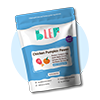
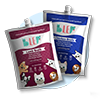
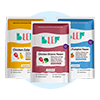
The current consensus among veterinary nutritionists is that healthy senior cats benefit most from a diet that is high in digestible animal protein, low in unnecessary carbohydrates and fillers, moderate in fat, and rich in moisture. Omega-3 fatty acids (from fish oil or oily fish) are particularly valuable for older cats, as they help manage systemic inflammation, support cognitive function, and maintain coat and skin condition. Antioxidant-rich ingredients such as cranberries further support immune function, which naturally declines with age. Phosphorus and sodium should be kept at moderate levels as a precaution even in healthy senior cats, given their elevated risk of kidney and cardiovascular conditions. Regular vet check-ups every 6 months (rather than annually) are strongly recommended from age 10 onwards, as bloodwork can catch early-stage organ changes well before symptoms appear. BLEP cat food, made with human-grade animal protein, zero fillers, and high moisture content, is well-suited to the nutritional demands of aging cats who need every bite to count.
When to be careful?
If your senior cat has already been diagnosed with a condition such as CKD, hyperthyroidism, diabetes, or heart disease, their dietary needs become condition-specific and require veterinary guidance. A general "senior" commercial food is not a substitute for a vet-formulated therapeutic diet in these cases. For healthy senior cats transitioning to a higher-quality diet, take it slow: older cats can be more set in their preferences and may resist new foods initially. Mixing a small amount of the new food with the familiar food over 10 to 14 days works well. Use our cat feeding guidelines for a clear plan, and monitor weight, appetite, and litter box habits throughout the switch. A senior cat that suddenly stops eating warrants an immediate vet visit, as anorexia in older cats can escalate quickly.
Sources: