







A healthy digestive system starts with feeding your cat a complete and balanced, highly digestible diet made with high-quality ingredients. But it’s not only about food. The gut also absorbs nutrients, forms a protective barrier against harmful microbes, and houses trillions of microorganisms collectively known as the gut microbiome. When this balance is disturbed, cats may develop loose stools, digestive discomfort, or reduced nutrient absorption.
If your cat has occasional loose stools but is otherwise bright and eating normally, a highly digestible diet and good hydration may help support recovery. However, diarrhoea that is severe, persistent, or accompanied by other signs of illness should always be assessed by a veterinarian.
Why does this matter?
-
Around 70–80% of the body's immune cells are associated with the gastrointestinal tract, making the gut an important part of the immune system. A healthy gut microbiome helps maintain the intestinal barrier, supports normal digestion, and interacts with the immune system to help regulate normal immune responses.
-
When the gut is disrupted, whether by a sudden diet change, stress, antibiotics, food intolerance, or illness, the balance of beneficial microbes can change. This may contribute to loose stools, increased gas, digestive upset, and reduced absorption of nutrients.
What do vets generally agree on?
Veterinarians generally recommend identifying and treating the underlying cause of loose stools rather than simply trying different foods. Once serious medical conditions have been ruled out, nutrition plays an important role in supporting digestive health.
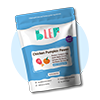
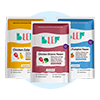
The best food for cat gut health is one that is complete and balanced, highly digestible, and made with quality ingredients that are gentle on the digestive system. A protein-first, highly-digestible fresh cat food like BLEP can support better digestive health in cats because it is made with 100% natural ingredients, has zero hard-to-digest fillers, and gives a good amount of hydration that’s important for good digestion and bowel movement.
Maintaining good digestive health also supports the gut microbiome, which in turn contributes to normal immune function through the close connection between the gut and the immune system.
When to be careful?
Loose stools lasting more than 24–48 hours, recurring diarrhoea, blood in the stool, repeated vomiting, weight loss, poor appetite, dehydration, or lethargy should never be ignored. Kittens, senior cats, and cats with existing medical conditions can become dehydrated much more quickly and may require prompt veterinary treatment.
Avoid repeatedly changing foods every few days in an attempt to fix diarrhoea, as frequent diet changes can sometimes make digestive upset worse. If your veterinarian recommends changing diets, transition gradually over 9–10 days whenever possible. Check out BLEP’s Cat Feeding Guidelines page to know how to safely do this.
Sources