








Your Cat's Health Starts with Better Nutrition
🐶 1 in 5 cats are likely to get cancer at some point in their lives.
🍖 Obesity and diabetes are on the rise.
🦷 50%-90% of cats who are older than 4 years suffer from dental disease.
What we feed them isn’t just food, it’s their future.
Let’s give our pets the longer, healthier lives they deserve and it starts with real food. 🥩🥦
Cancer
Cancer

What we feed them shapes how long they stay with us.
The data shows it’s time to choose better.

Our pets are facing a silent health crisis
A UK study found a staggering 900% rise in diabetes among cats and dogs between 2011 and 2016. Diabetes in cats jumped by 1,161%, and in dogs by 850% — far outpacing the rise in humans. (https://www.dailymail.co.uk/news/article-3593935/Diabetes-cats-dogs-900-past-five-years.html)
It doesn’t stop there.
A 2022 report showed that 59% of dogs and 61% of cats are now overweight or obese. These conditions increase the risk of joint pain, organ failure, and reduce lifespan — and it all links back to what they eat every day. (https://www.petobesityprevention.org/2022)
It Gets Even Scarier
It is estimated that 6 million cats get diagnosed with cancer each year.
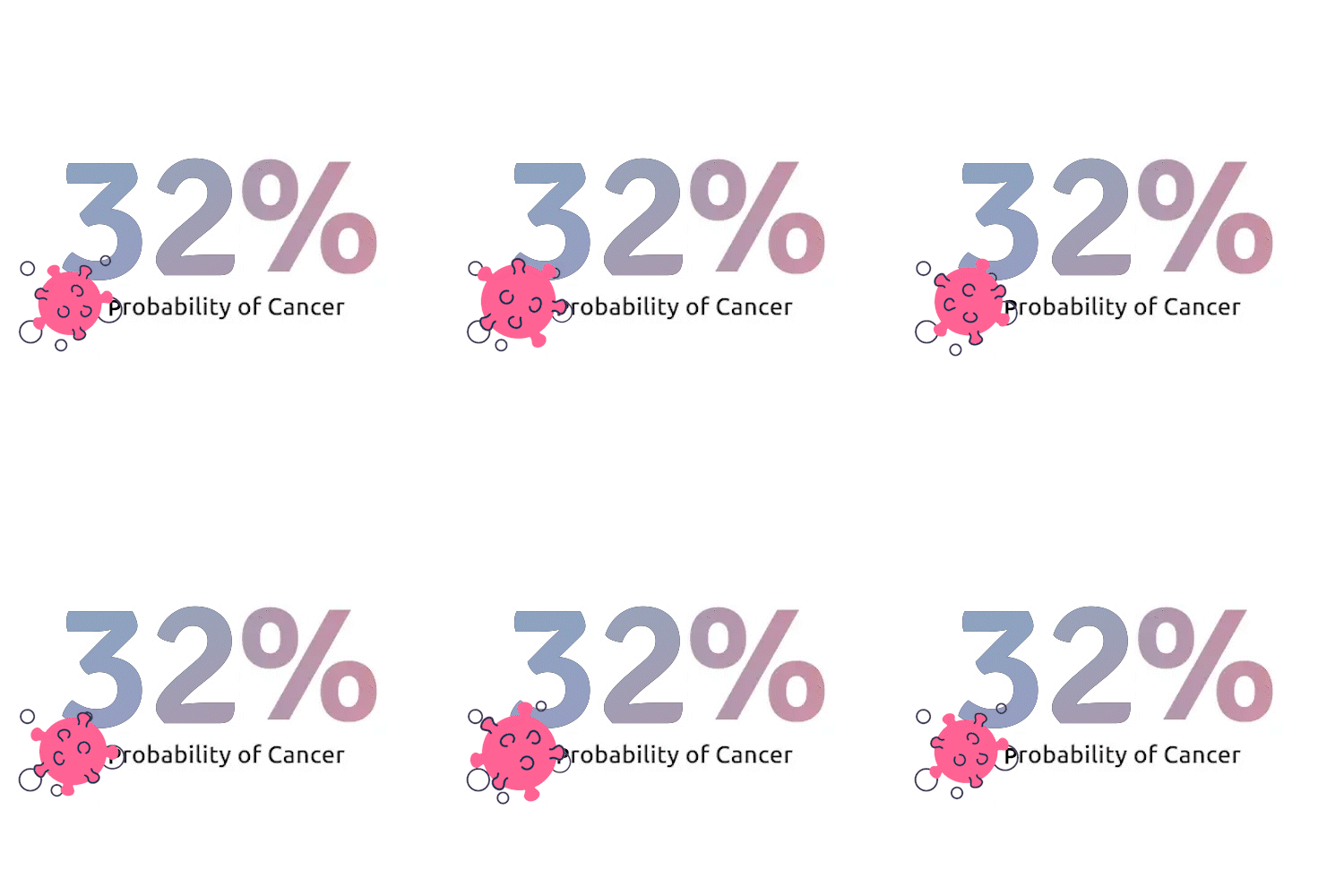
The probability of cat deaths due to cancer is almost 32% over the age of 10.
Sadly, one in every five cats will develop cancer in their lifetimes. (https://www.dogwood.vet/services/cats/cat-cancer)
What Most Pet Parents Don’t Realise

What Most Pet Parents Don’t Realise
The global pet food industry is flooded with ultra-processed products made from substandard ingredients. These lead to common issues like dental disease and obesity, which can progress into diabetes and cancer.
Feeding your pet these foods every day is like a human surviving solely on burgers and pizzas — all day, all year.
It may fill the belly, but it slowly breaks the body.
Sounds Shocking? It Should.

Sounds Shocking? It Should.
Many so-called premium pet food brands use ingredients not even fit for human consumption.
That satisfying crunch? It comes from high starch content, which contributes to weight gain and diabetes.
Worse, it’s all cooked at extreme temperatures — destroying nutrients and potentially creating carcinogens.
That’s Why We Started BLEP.

That’s Why We Started BLEP.
To put real food — not fillers — into pet bowls.
Clean ingredients. Human-grade quality. No preservatives. No shortcuts.
Just food made with love and intent.
Because our pets deserve better.
And now, they finally have it.
Blog posts

Dog fireworks anxiety: a two-week plan to prepare your dog for Diwali
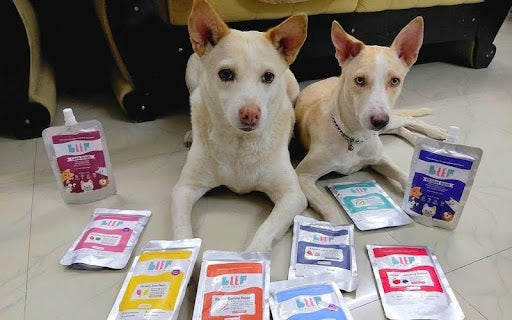
Gluten-Free Dog Food in India: What It Means and Why It Matters
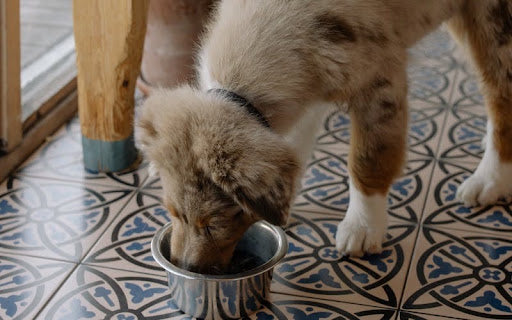
Fresh-Cooked vs Raw (BARF) Dog Food in India: Which Is Right for Your Dog
Useful Video
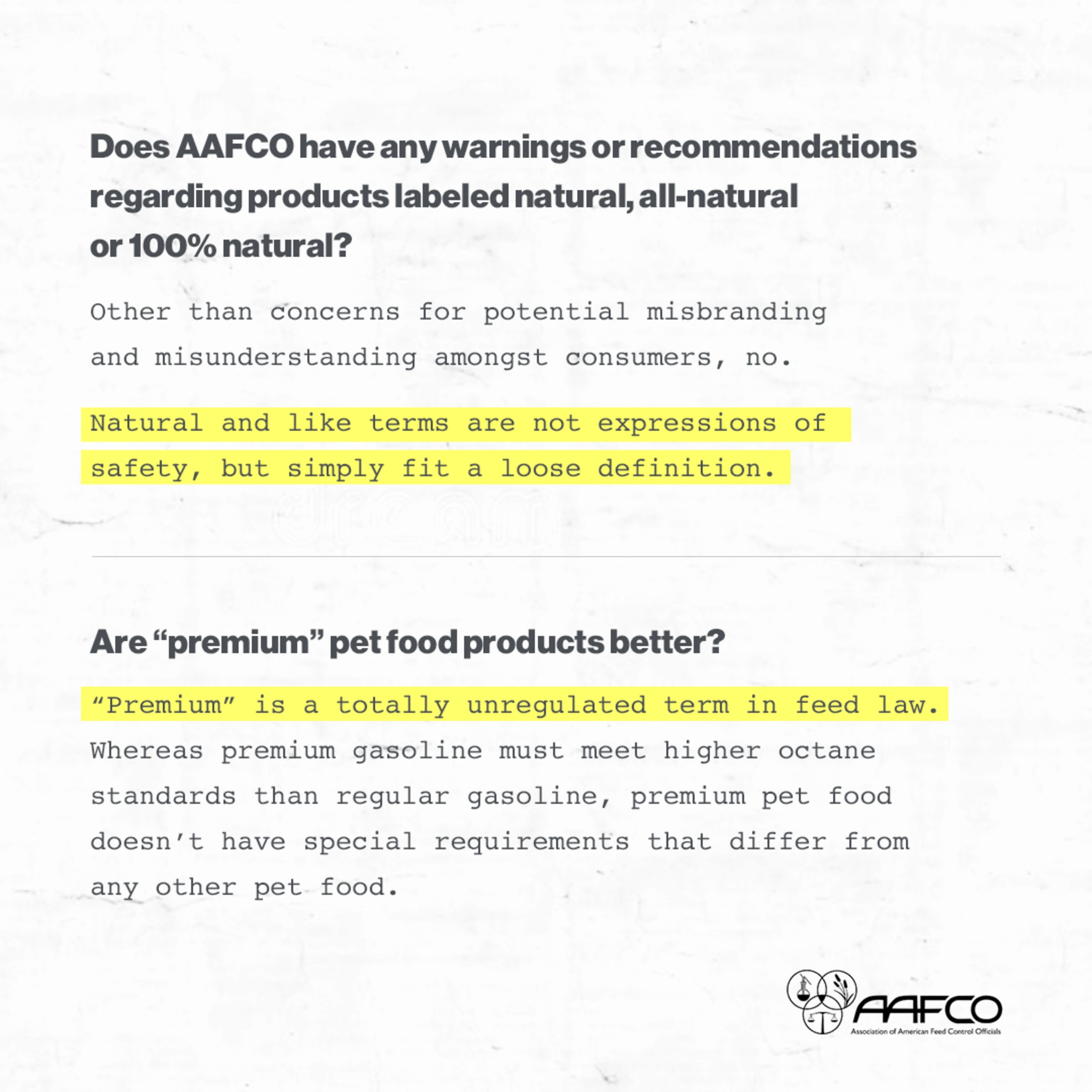
What is legally allowed in pet food?
BLEP in News




Frequently Asked Questions
‘Human-grade’ in pet food means that the ingredients used are all safe enough for human consumption. ‘Feed-grade’ ingredients, with which most pet food is made, are unfit for human consumption because they may be rejected parts or scraps of meat and produce. In fact, pet food may be made from byproducts and ‘4D’ meat, meaning meat from animals that were already Dead, Dying, Diseased, or Disabled before being turned into pet food. The fruits and veggies may also be rotten or mouldy, or just parts that humans can’t eat, like stubs and peels.
However, ‘human-grade’ indicates that the ingredients are whole, hygienic, and just like the regular meat and produce that we humans eat ourselves. This ensures maximum safety and superior nutritional value.
Preservatives are used to give food shelf life. However, these are chemicals that can cause a lot of harm to cats, like sensitivities, toxicity, and even raising the risk of diseases like cancer.
Fillers are used in cat food to keep manufacturing costs low while adding bulk. Some fillers may also be used to maintain texture and shape. So, when you compare a 100 g pack of cat food that has zero fillers, like BLEP, and a 100 g pack of another cat food that contains fillers, like corn, wheat, soy, rice, potato starch, etc., BLEP will have more protein, fibre, vitamins and minerals even though the net weight is the same as the pet food with fillers.
BLEP cat food has zero preservatives and fillers in order to maintain maximum safety and to give cats the highest amount of nutritional value of the ingredients used. What you see on the front of a BLEP cat food packet is what you get and nothing else. This is what we call BLEP’s Nothing Else promise.
BLEP does have FSSAI certification. However, we don’t use it because FSSAI is a regulatory body for food meant for human consumption. Since pet food falls under the feed category, technically, pet food shouldn’t have FSSAI certification.
BLEP cat food recipes go through rigorous testing before being released into the market at reputable and AAFCO-capable labs, such as Equinox labs. They are tested for micro- and macronutrients, metals, heavy metals, and shelf life. After that, there are also vet and customer feedback checks for safety and palatability.