







Key Takeaways:
-
Homemade dog food can offer control, freshness and customisation, but healthy ingredients alone do not guarantee complete nutrition.
-
Many homemade diets lack essential nutrients, with studies finding deficiencies in calcium, vitamin D, vitamin E, zinc, choline and other nutrients.
-
Human food leftovers are not the same as balanced homemade dog food and may contain too much salt, sugar, fat or ingredients unsafe for dogs.
-
A professionally formulated homemade diet can be time-consuming and expensive, making commercially prepared fresh food a convenient alternative.
-
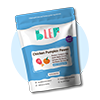
BLEP fresh dog food offers wholefood ingredients and complete nutrition, giving pet parents the benefits of fresh feeding without having to formulate every meal themselves.
There is something lovely about cooking for your dog. You know exactly what went into the bowl, you can choose fresh ingredients, and you get the satisfaction of preparing their meal yourself.
But there is an important difference between home-cooked dog food and a nutritionally complete diet made for dogs.
Dogs need specific amounts of protein, fats, vitamins, minerals and other nutrients. Simply combining meat, rice and vegetables may look healthy, but it may not provide everything your dog needs.
So, should you stop cooking for your dog? Not necessarily. Let's look at the pros, cons and what you need to know before making homemade food a regular part of your dog's diet.
The benefits of homemade dog food
-
You know exactly what goes into the bowl
One of the biggest advantages is control. You can select the ingredients, cooking method and quality of the food going into your dog's bowl.
-
It can be fresh and appetising
Freshly prepared food can be appealing to many dogs, particularly those that are fussy eaters.
-
It can be tailored to your dog
With proper veterinary guidance, a home-prepared diet can be customised around your dog's age, activity level, allergies or specific health requirements.

The biggest problem: homemade food may not be balanced
Dogs don't just need "healthy ingredients"
They need the right quantities and ratios of specific nutrients. This is where pet nutrition gets more complicated.
A 2013 UC Davis study, “Evaluation of recipes of home-prepared maintenance diets for dogs,” analysed 200 recipes from books, websites and other sources. Only 9 recipes met the minimum AAFCO nutrient standards for adult dogs, while 95% were deficient in at least one essential nutrient and more than 83% had multiple deficiencies.
More recent research shows the problem isn't limited to recipes found online. A 2025 Dog Aging Project study assessed 1,726 owner-reported home-prepared diets. Only 6% had the potential to be nutritionally complete according to AAFCO adult maintenance standards. The researchers also noted that exact ingredient quantities were often unavailable, meaning the actual proportion of complete diets could be even lower.
Protein is important, but more protein isn't the whole answer
Protein provides amino acids needed for muscles, tissues, enzymes and many other functions. But adding more chicken, eggs or meat does not automatically make a homemade diet nutritionally complete.
For example, a meat-heavy diet can be dangerously low in calcium. Other homemade diets may fall short of other nutrients. The 2013 UC Davis study specifically identified deficiencies involving choline, vitamin D, zinc and vitamin E among the recipes evaluated.
The requirements also change depending on your dog's age, activity level, reproductive status, health and other individual factors.
In other words, a bowl full of good ingredients can still be nutritionally incomplete.

Human food leftovers are not the same as homemade dog food
Some pet parents use "homemade dog food" to mean giving their dog leftovers from the family meal. But human meals are formulated for humans, not dogs.
They may contain excessive salt, sugar, oil or fat. They may also contain ingredients that can be harmful to dogs, including onions, garlic and related allium plants.
Fried food and heavily seasoned meals can also be unsuitable and may cause digestive upset.
An occasional dog-safe piece of food is different from making human leftovers the foundation of your dog's diet.
Homemade vs commercial vs fresh dog food
|
Factor |
Homemade dog food |
Commercial ultra-processed dog food |
Commercially prepared fresh food |
|
Ingredient control |
Very high |
Depends on product |
High |
|
Nutritional balance |
Must be carefully formulated |
Can be complete and balanced |
Can be complete and balanced |
|
Time investment |
High |
Low |
Low |
|
Cost |
Can become high with specialist formulation and supplements |
Wide range |
Usually higher than basic commercial options |
|
Best suited for |
Pet parents willing to prepare and follow a precise recipe |
Convenience and consistency |
Pet parents wanting fresh, recognisable ingredients without cooking every meal |
|
Ingredient quality |
Fresh meats and veggies |
By-products and derivatives |
Wholefood ingredients |
The important point is that "homemade" and "healthy" are not automatically the same thing. Likewise, the right commercial option is one that gives you the convenience of packaged dog food with the quality of home-made dog food, such as BLEP fresh dog food.
Is professionally-formulated homemade food expensive?
It can be.
A properly formulated home-prepared diet may involve an initial consultation with a veterinary nutrition professional, recipe formulation, specific supplements and follow-up adjustments. Ingredients may also need to be weighed and prepared consistently.
That cost is worth considering alongside your overall pet-care budget. If you're planning your monthly expenses, our guide to dog expenses in India can help you understand the wider cost of caring for a dog.
The cheapest homemade meal is not necessarily the cheapest complete diet if it eventually requires correcting nutritional gaps.

How to find veterinary nutrition help in India
If you want to feed homemade dog food long term, start with your regular veterinarian and ask whether they can refer you to someone with advanced training in veterinary or companion-animal nutrition.
Ask about veterinary qualifications, postgraduate training in animal nutrition and experience formulating diets for dogs.
Veterinary teaching and research institutions can also be useful starting points. For example, ICAR-Indian Veterinary Research Institute (IVRI) has an Animal Nutrition Division that offers nutrition consultancy and has dedicated postgraduate training in animal nutrition and companion-animal nutrition.
If in-person specialist care is difficult to access, veterinary nutrition consultations may also be available through teleconsultation services. However, for dogs with medical conditions, it is best to involve the veterinarian who knows the dog's medical history rather than relying on a generic online recipe.
So, is homemade dog food bad?
Not necessarily.
A homemade diet can be a good option when it has been specifically formulated to meet your dog's nutritional requirements and is followed accurately.
The problem is the casual approach: throwing together a few ingredients, changing quantities, leaving out supplements or regularly feeding leftovers.
If a veterinary nutrition professional provides a recipe, follow it as written. Even seemingly small ingredient substitutions can change its nutritional composition.
How to make feeding your dog simple?
If you love the idea of feeding your dog fresh, recognisable ingredients but don't want to formulate every meal yourself, commercially prepared fresh food can be a convenient alternative.
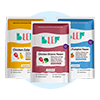
BLEP fresh dog food is made with wholefood ingredients and gives pet parents a way to bring fresh meals into their dog's everyday routine without having to design every recipe from scratch. These are balanced to provide complete nutrition to your dog.
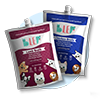
You can also add BLEP bone broths for dogs as a complementary addition to meals. These are slow-cooked for 24 hours using meaty bones and cartilage-rich portions, creating a nutritious and flavourful way to add extra moisture to your dog's meals. They are packed in collagen that helps with digestion, immunity, skin and coat health and so much more.
The idea is simple: you can enjoy the appeal of fresh feeding without turning every mealtime into a pet nutrition calculation.

The bottom line
Homemade dog food isn't automatically bad, and it isn't automatically better either.
Cooking for your dog can give you control over ingredients and create fresh, appetising meals. But getting pet nutrition right requires much more than combining nutritious foods.
The biggest risk is feeding a diet that looks healthy but quietly misses essential nutrients.
If you want the freshness and goodness of wholefood ingredients without the complexity of formulating every meal, properly prepared fresh dog food can offer a convenient middle ground.
Because when it comes to your dog's food, good ingredients matter, but getting the nutrition right matters too.
Frequently Asked Questions
Is homemade dog food healthy?
It can be, provided the diet is properly formulated to meet your dog's nutritional requirements and prepared according to the recipe.
Can I feed my dog chicken and rice every day?
Chicken and rice alone is unlikely to provide all the nutrients a dog needs for long-term feeding. A complete diet requires a much broader nutritional profile.
Does homemade dog food provide enough protein?
It may provide enough protein, but protein alone does not make a diet complete. Dogs also need appropriate amounts of fats, vitamins, minerals and other essential nutrients.
Can dogs eat human food leftovers?
Some individual human foods are safe for dogs, but regular table scraps should not form the foundation of their diet. Human meals can contain excessive salt, sugar, fat or ingredients that are unsafe for dogs.
Is home-cooked dog food better than commercial dog food?
Not automatically. Homemade food offers ingredient control, while a properly formulated commercial fresh food diet can offer complete nutritional balance and convenience, like BLEP fresh dog food.
How do I make balanced homemade dog food?
The safest approach is to have a veterinary nutrition professional formulate a diet specifically for your dog and follow the recipe precisely.
Can I add homemade food to my dog's regular food?
Small amounts of appropriate homemade food may be used as toppers or treats, but large additions can change the overall nutritional balance and calorie intake. For example, we often recommend that you add a little bit of rice, oats or quinoa to BLEP fresh dog food to make it a heartier meal. You can also add some eggs, veggies, or curd (during the summers).
Is BLEP fresh dog food homemade dog food?
No. BLEP fresh dog food is commercially prepared fresh dog food made with wholefood ingredients. It offers the quality of fresh feeding without requiring pet parents to formulate and prepare every meal themselves.
Looking to explore more tips on how to look after your furry friend? Check out our other guides like Can Dogs Eat Apples?, Can Dogs Eat Blueberries?, Dog Food for Weight Loss, Raw v/s cooked meat for dogs, Home Remedies to cure tick fever, Finding Good Dog Food in India, How many times should I feed my dog?, Things you should do to keep your pet healthy, Types of Dog Food, How Prebiotics and Probiotics can improve your dog's digestion, Essential Tips for a New Dog Parent, and others. Each guide is designed to help you make better food and care choices for your dog, to keep them happy, healthy, and thriving.
Resources:
-
Stockman J, Fascetti AJ, Kass PH, Larsen JA. Evaluation of recipes of home-prepared maintenance diets for dogs. Journal of the American Veterinary Medical Association, 2013.
-
O'Brien JS, Lawson E, Dog Aging Project Consortium, Tolbert MK, Ruple A. Findings from the Dog Aging Project: home-prepared diets for companion dogs feature diverse ingredients, and few are nutritionally complete. American Journal of Veterinary Research, 2025.
-
American Animal Hospital Association. Home-prepared diets. AAHA Nutrition Guidelines
-
Merck Veterinary Manual. Nutritional requirements of small animals. Merck Veterinary Manual
-
ICAR-Indian Veterinary Research Institute. Animal Nutrition Division. ICAR-IVRI Animal Nutrition Division
-
ICAR-Indian Veterinary Research Institute (IVRI). MicroArray: https://ivri.nic.in/MicroArray.aspx