






Key Takeaways:
-
Daily water needs of dogs range approximately 44-66ml per kg of body weight, but actual requirements shift significantly based on diet, activity level, weather, age, and overall health conditions.
-
Diet dramatically impacts hydration, as fresh and wet dog foods contain 65-87% moisture compared to dry food's 3-11%, meaning dogs eating moisture-rich food may drink less from their bowl while remaining well-hydrated.
-
Puppies and senior dogs require extra hydration monitoring as puppies have smaller fluid reserves and dehydrate faster during illness, while older dogs may have reduced thirst drives or underlying kidney conditions.
-
India's seasonal climate creates distinct hydration challenges, with summer pushing water needs up significantly, monsoon humidity masking heavy panting as normal, and winter making thirst cues less obvious and easy to miss.
-
Sudden increases or decreases in drinking habits warrant veterinary attention, especially when accompanied by vomiting, diarrhoea, weakness, changes in urination, loss of appetite, or unexplained weight loss.
Water is one of the most important nutrients your dog needs. It supports digestion, circulation, temperature regulation, kidney function and almost every other process in the body. Yet many pet parents only start thinking about hydration when their dog seems unusually thirsty or unwell.
So, how much water should a dog drink, and how can you make sure they're getting enough?
There is no single amount that works for every dog. Water needs depend on factors such as body size, diet, activity, weather and overall health. There are several simple ways to encourage healthy water intake and recognise the signs of dehydration in dogs before the problem becomes serious.

How much water should a dog drink?
A commonly used general estimate is around 44 to 66 ml of water per kg of body weight per day for dogs in a comfortable environment. This is only a guideline, actual needs shift with diet, activity, weather and health.
|
Dog's weight |
Approximate daily water need |
|
5 kg |
220 to 330 ml |
|
10 kg |
440 to 660 ml |
|
20 kg |
880 to 1,320 ml |
|
30 kg |
1,320 to 1,980 ml |
|
40 kg |
1,760 to 2,640 ml |
This total includes water from the bowl, and from other hydration sources, such as food, hydrating drinks, moisture-rich snacks, etc. Puppies and senior dogs need extra attention here, puppies have less fluid reserve for their size and can dehydrate faster during illness, while older dogs may have reduced thirst drive or underlying conditions like kidney disease that make monitoring intake more important.
Does diet affect hydration ?
Yes, significantly. Food is an easy way to boost total water intake, and different food types vary a lot in moisture content.
|
Food type |
Approximate moisture content |
|
Dry food |
3 to 11% |
|
Wet or canned food |
60 to 87% |
|
Fresh food |
Roughly 65 to 80% |
|
Bone broth |
Around 90% or more |
Dogs eating predominantly moisture-rich food may drink less from their bowl while still getting substantial water through meals. This is why hydration is best thought of as part of your dog's overall diet, not just how much they drink.

Signs of dehydration in dogs: what to watch, and when to worry
Knowing these signs matters most during India's hot weather, or whenever your dog has vomiting, diarrhoea or another illness causing fluid loss. Indian summers push water needs up noticeably, humid monsoon months can mask heavy panting as normal, and winter is the easiest time to under-water a dog simply because thirst cues are less obvious.
|
Try increasing hydration |
These need a vet immediately |
|
Dry or sticky gums |
Collapse or extreme weakness |
|
Slightly reduced skin elasticity |
Cannot keep water down |
|
Mild tiredness |
Ongoing vomiting or diarrhoea |
|
Slightly reduced appetite |
Sunken eyes with other severe signs |
|
Increased panting |
Significant, visible dehydration |
|
Somewhat reduced urine output |
No urine output at all |
Physical signs aren't perfect on their own, age, body condition and certain medical conditions can affect how reliable they are. When in doubt, especially with a puppy, senior, or already unwell dog, don't wait to see if things improve on their own. Go to the vet immediately.

How to keep your dog hydrated every day?
The simplest step is to make sure that fresh water is available at all times. A few habits help beyond that.
Keep water bowls clean.
Dogs can be surprisingly picky about stale water. Wash bowls regularly, and in a large home, keep water in more than one location to encourage drinking.
Carry water outdoors.
Take fresh water on long walks, hikes or outdoor activities, especially in hot weather, since dogs lose water through panting and prolonged exercise raises dehydration and heat illness risk.
You can also carry a pouch of BLEP bone broth for dogs on your walks. Its easy-pour nozzle makes giving the broth to your dog on the go simple. It’s meaty, nutritious and great for hydration.
Offer moisture rich food.
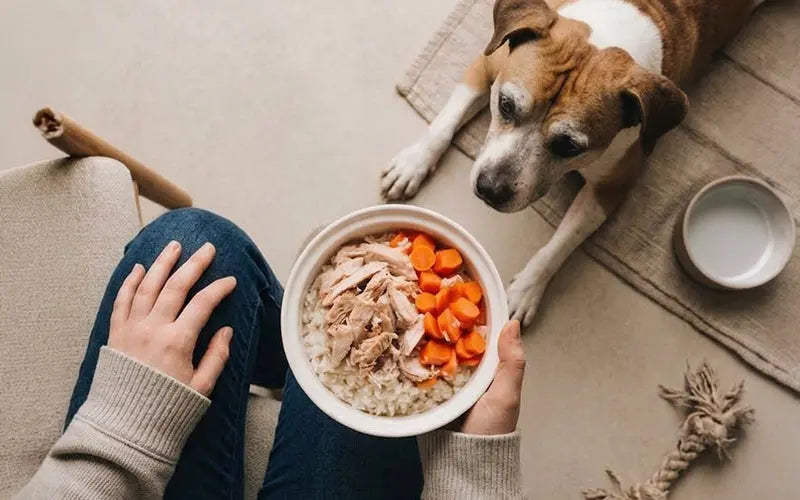
Fresh and wet foods contain considerably more moisture than dry food. BLEP fresh dog food's moisture-rich meals can contribute to daily fluid intake alongside complete nutrition, useful for dogs that aren't enthusiastic water drinkers.
Add moisture to meals.
BLEP bone broths for dogs can be served alongside your dog’s food as a drink or added to meals as a topper. They are an easy way to introduce additional hydration. BLEP's bone broths for dogs are slow-cooked for 24 hours using meaty bones and cartilage-rich portions, helping extract nutrients into the broth.
When should you worry about changes in water intake?
A sudden shift in drinking habits deserves attention. Drinking much more or much less than usual can signal an underlying health condition, and this matters more when it's paired with vomiting, diarrhoea, weakness, changes in urination, loss of appetite or weight loss. If your dog can't keep water down, seems severely dehydrated, collapses or becomes extremely weak, seek veterinary care immediately, don't wait it out at home.

So, how to keep your dog hydrated?
Keeping your dog hydrated doesn't have to be complicated. Provide fresh water throughout the day, carry water outdoors, include moisture-rich fresh dog food when appropriate, and pay attention to your dog's normal habits, especially if they're a puppy, senior, or recovering from illness. Hydration needs are individual, size, diet, activity, environment and health all matter. A bowl of fresh water is essential, but hydration can start with every meal too.
Frequently Asked Questions
How much water should a dog drink per day?
A general estimate is 44 to 66 ml per kg of body weight, but individual needs vary, and water from food counts toward the total.
What are the signs of dehydration in dogs?
Dry or sticky gums, reduced skin elasticity, sunken eyes, weakness, tiredness and reduced urine output. Severe signs, collapse, inability to keep water down, or ongoing vomiting or diarrhoea, need immediate veterinary care.
How can I encourage my dog to drink more water?
Keep water fresh, provide multiple bowls, carry water outdoors, and consider moisture-rich food or bone broth for dogs with meals.
Can wet or fresh food help keep my dog hydrated?
Yes. Fresh dog food contributes meaningfully to total water intake, so dogs eating it may drink less from the bowl while still staying well hydrated.
Is bone broth good for dogs?
A suitable dog-safe bone broth can be used as a complementary food and can add moisture to meals. It should not replace your dog's complete and balanced diet.
Should I worry if my dog suddenly drinks much more water?
Possibly. Sudden increased thirst can have several causes, including underlying health conditions. If it's persistent or paired with other symptoms, consult your vet.
Do puppies and senior dogs dehydrate faster?
Yes. Puppies have less fluid reserve for their size, and seniors may have reduced thirst drive or health conditions that affect hydration, both need closer monitoring during heat or illness.
Can dehydration in dogs be treated at home?
Mild reductions in water intake may sometimes be addressed by encouraging drinking and offering moisture-rich dog food, but significant dehydration should not be treated as a DIY problem. Dogs with severe dehydration or ongoing fluid losses may require veterinary fluid therapy.
Can I give my dog water after vomiting?
Water shouldn't generally be withheld without veterinary guidance, since dehydration can worsen. If your dog keeps vomiting or can't keep water down, contact your vet promptly.
Looking to explore more tips on how to look after your furry friend? Check out our other guides like Can Dogs Eat Apples?, Can Dogs Eat Blueberries?, Dog Food for Weight Loss, Raw v/s cooked meat for dogs, Home Remedies to cure tick fever, Finding Good Dog Food in India, How many times should I feed my dog?, Things you should do to keep your pet healthy, Types of Dog Food, How Prebiotics and Probiotics can improve your dog's digestion, Essential Tips for a New Dog Parent, and others. Each guide is designed to help you make better food and care choices for your dog, to keep them happy, healthy, and thriving.
Resources
-
Merck Veterinary Manual. Nutritional Requirements of Small Animals. https://www.merckvetmanual.com/management-and-nutrition/nutrition-small-animals/nutritional-requirements-of-small-animals
-
Merck Veterinary Manual. Evaluation and Initial Treatment of Dog and Cat Emergencies. https://www.merckvetmanual.com/special-pet-topics/emergencies/evaluation-and-initial-treatment-of-dog-and-cat-emergencies
-
Merck Veterinary Manual. Maintenance Fluid Plan in Animals. https://www.merckvetmanual.com/therapeutics/fluid-therapy/maintenance-fluid-plan-in-animals
-
Merck Veterinary Manual. The Fluid Resuscitation Plan in Animals. https://www.merckvetmanual.com/therapeutics/fluid-therapy/the-fluid-resuscitation-plan-in-animals
-
Merck Veterinary Manual. Vomiting in Dogs. https://www.merckvetmanual.com/dog-owners/digestive-disorders-of-dogs/vomiting-in-dogs
-
Davis, H. Fluid Therapy for Pediatric Patients. Veterinary Clinics of North America: Small Animal Practice.
https://pmc.ncbi.nlm.nih.gov/articles/PMC7124297/