







Ultra-processed cat food generally refers to food made using intensive industrial processing, most commonly high-heat extrusion. During this process, ingredients are ground, mixed, cooked at high temperatures, shaped into pellet-like structures, and dried. Most dry cat foods fall into this category.
Many ultra-processed cat food would be considered ‘adequate’ for daily feeding, but there are some concerns related to them nonetheless. Firstly, the quality of ingredients that goes into making ultra-processed cat food are usually feed-grade, meaning they are parts of meat and other ingredients that cannot be served to humans. These are often the leftovers from human consumption. Next, they go through high-heat extrusion that destroys a lot of nutrients, especially vitamins and some amino acids. This requires adding artificial nutrients back to the finished product, which may not be as bioavailable as the natural ingredients. It also produces higher levels of Advanced Glycation End-products (AGEs) than minimally processed foods. Since ultra-processed dry cat food requires starch to hold its shape during extrusion, it also contains a big amount of carbs that serve only a manufacturing purpose and zero nutritional value.
Why does this matter?
-
Cats have evolved to eat meat-rich, moisture-rich diets. While modern ultra-processed cat foods are formulated to technically meet nutritional requirements, processing can alter the structure of ingredients and reduce naturally occurring compounds present in fresh foods.
-
Research into Advanced Glycation End-products (AGEs) is growing, with studies showing that extruded pet foods generally contain substantially higher AGE levels than minimally processed diets. Long-term exposure to higher dietary AGEs may contribute to oxidative stress and chronic inflammation.
-
Moisture is another important consideration. Since many cats naturally have a low thirst drive, relying primarily on ultra-processed dry food may make it harder for some cats to consume enough water, particularly if they don't readily drink from their water bowl.
What do vets generally agree on?
Cat food should first and foremost be complete and balanced, but other considerations must also be kept in mind. Nutritional adequacy with high-quality ingredients, appropriate processing, and naturally high moisture content is also very important in cat food.
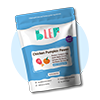
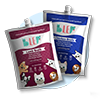
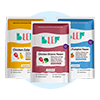
For pet parents looking for a minimally processed alternative, BLEP fresh cat food offers a different approach. Instead of high-heat extrusion, it uses retort technology, which gently cooks meals retaining a large amount of the nutrients of the ingredients. Plus, the ingredients themselves are all 100% natural and human-grade, making them very high quality to begin with. The naturally high moisture content also helps support hydration.
When to be careful?
The overall quality of a diet depends on its formulation, ingredient quality, manufacturing standards, and whether it provides complete and balanced nutrition for your cat.
Home-cooked diets may use excellent ingredients, but unless they are carefully formulated, they often fail to provide all the vitamins and minerals cats require every day. Likewise, if you're switching from ultra-processed cat food to a fresh diet, introduce the new food gradually over 9–10 days to minimise digestive upset. Know more about this on the BLEP Cat Feeding Guidelines page.
Cats with kidney disease, diabetes, food allergies, or other medical conditions should only have their diet changed under veterinary guidance.
Sources