










If your cat is a picky eater, the best food is one that is complete and balanced, rich in animal protein, highly palatable, and appropriate for their life stage. Cats often choose food based on its smell and texture rather than taste alone. Fresh cat food, with a higher moisture content and a strong meat aroma, are often more appealing than dry foods. It's also important to avoid constantly switching between different foods, as this can sometimes encourage even fussier eating habits. If your cat has always been selective but is otherwise healthy, patience and consistency usually work better than offering multiple alternatives every day.
Why does this matter?
Cats can be surprisingly particular about their food. Some develop preferences early in life, while others become selective after frequent diet changes, stressful events, or illness. Although occasional fussiness is common, eating too little for an extended period can become dangerous.
Cats should not go without food for more than 24 hours. If they stop eating, especially if they are overweight, they are at risk of developing hepatic lipidosis (fatty liver disease), a potentially life-threatening condition that requires prompt veterinary treatment.
What do vets generally agree on?
Veterinarians generally recommend finding and addressing the reason behind the picky eating, rather than simply offering new foods every day. A healthy cat is more likely to eat a diet that provides a strong meat aroma, appropriate texture, and complete nutrition. Warming refrigerated food slightly (without making it hot), feeding at regular times, reducing household stress, and introducing any new food gradually can all improve acceptance. For more details on transitioning safely from one food to another, check out the BLEP Cat Feeding Guidelines page.
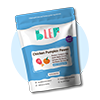
If your cat is simply a selective eater and your veterinarian has ruled out an underlying medical problem, BLEP fresh cat food can be a good option. Its naturally high moisture content, and fresh, high-quality meat-based ingredients make it highly palatable for many cats, while still providing complete and balanced nutrition for daily feeding.
When to be careful?
Don't assume your cat is just being fussy if they suddenly stop eating. Loss of appetite can be caused by dental disease, infections, gastrointestinal illness, kidney disease, pancreatitis, stress, or other medical conditions.
If your cat refuses food for 24 hours or longer, particularly if they are overweight, vomits repeatedly, loses weight, drools excessively, struggles to chew, or appears lethargic, contact your veterinarian as soon as possible. These signs warrant medical evaluation rather than repeated food changes.
Sources