






Key Takeaways:
-
Indie dogs are ancient, naturally evolved South Asian breeds with 4,500-year-old origins, making them among the world's healthiest dogs due to minimal inbreeding.
-
Despite their resilience, Indies are prone to parasites, skin and coat issues, dental disease, and joint problems, requiring regular grooming and health monitoring.
-
Essential fatty acids from fish oil and omega-rich sources are particularly critical for Indies, directly addressing their predisposition towards skin allergies and parasite-related coat damage.
-
Low-starch, high-fibre carbohydrates are important for Indies to prevent weight gain, which would otherwise place dangerous additional pressure on their joints and bones.
-
Natural, human-grade food supports Indies' innate resilience better than ultra-processed alternatives, ensuring superior nutrient absorption and protection against deficiencies throughout their lives.
Our very own Indie dog, or the Indian Pariah Dog, is native to South Asia, specifically the Indian subcontinent. They’re highly intelligent, extremely resilient, very social and highly trainable. The dogs are characterised by their wedge-shaped head and curved tail; however, there are many different kinds of variations because there is very little inbreeding or selective breeding among Indies.
Indie dogs are medium in size and have short, double coats. They have a layer of soft undercoat and a coarse upper coat. This gives them the ability to adapt to almost any temperature. Considering India is a vast country with many different types of climates, this makes the Indie dog the best choice for the Indian weather. Plus Indies are extremely hardy, tough, and low maintenance, making them great for first-time pet parents. Most of India’s free-ranging dogs are Indies. They come in many different coat colours: dark to reddish-brown, with or without white markings. Solid blacks are rare. In the cities, they may also come in shaded coats, brindles, solid white and Dalmatian-type markings due to mixture with other breeds of dogs.
The history of the Indie breed
The history of the Indie dog breed is quite fascinating, as they come from a very ancient line of dogs. Dog skulls that closely resemble the Indian Pariah Dog have been found in Harappa- Mohenjo-daro, and prehistoric rock paintings have been found in the Bhimbetka rock shelters that show characteristics of the Indie dog. They have been roaming the Indian subcontinent for 4,500 years and more. They’ve also been depicted in religious iconography. In fact, it is one of the oldest dog breeds that still exists to this day.
While the people of the Indian subcontinent (especially today’s India, Pakistan, Bangladesh, Afghanistan, Nepal, and Sri Lanka) have always been extremely familiar with the Indie dog breed, a bias started appearing in the colonial period against them. Like most native things of India, the British didn’t like the Indie breed and tried to downplay its qualities in order to encourage people to get foreign breed dogs. They gave them the name ‘Pariah’ dog, which means ‘outcast’. This bias against Indies continues to this day, as people are looked down upon for adopting Indie dogs even though they’re uniquely suited for the climate.
Nowadays, many people have started adopting Indie dogs because of greater awareness and also a sense of defiance. In fact, Indie dogs have even become popular in the West, leading to hundreds of them being exported to foreign lands. The breed has also been recognised by the worldwide organisation of canine enthusiasts, the Primitive and Aboriginal Dog Society (PADS).

Common health problems of Indie dogs
Indie dogs are one of the healthiest dogs in the canine world, mostly because they have very little inbreeding. Because it wasn’t seen as profitable enough for dog traders to selectively breed Indie dogs, they have far fewer genetic issues than foreign breed dogs. They also have stronger immunity and high resilience, mainly because generations of them have been free-ranging dogs. Plus, the less resilient traits usually die out due to natural selection, which also ensures the survival of the better traits. However, there are still some health issues that they may face:
Parasites:
Although they have short coats, they may be particularly susceptible to parasites, fleas, and ticks. These may cause diseases like lyme disease, tick fever, babesiosis, and anaplasmosis. Internal parasites like roundworms, hookworms, and tapeworms may also be common. Indies need frequent body checks, regular grooming and healthy, nutritious meals to combat these issues.
Skin and coat issues:
Indie dogs are prone to skin and coat problems such as allergies, hot spots, mange, dryness, dandruff, allergic dermatitis, etc. You’ll often see dry or inflamed patches on an Indian stray’s body. Licking or picking at them may also turn them into more serious infections.
Dental issues:
Plague and tartar buildup leading to dental problems is another issue that Indie dogs are prone to. They need regular brushing of teeth as well as diet monitoring so that these issues do not turn into full-blown periodontal disease.
Joint issues:
Indie dogs may be prone to bone and joint problems, especially as they age. Although this may be caused by related problems like excessive pressure due to obesity, joint and bone weakness may also be the result of arthritis.
What are the nutritional needs of Indie dogs?
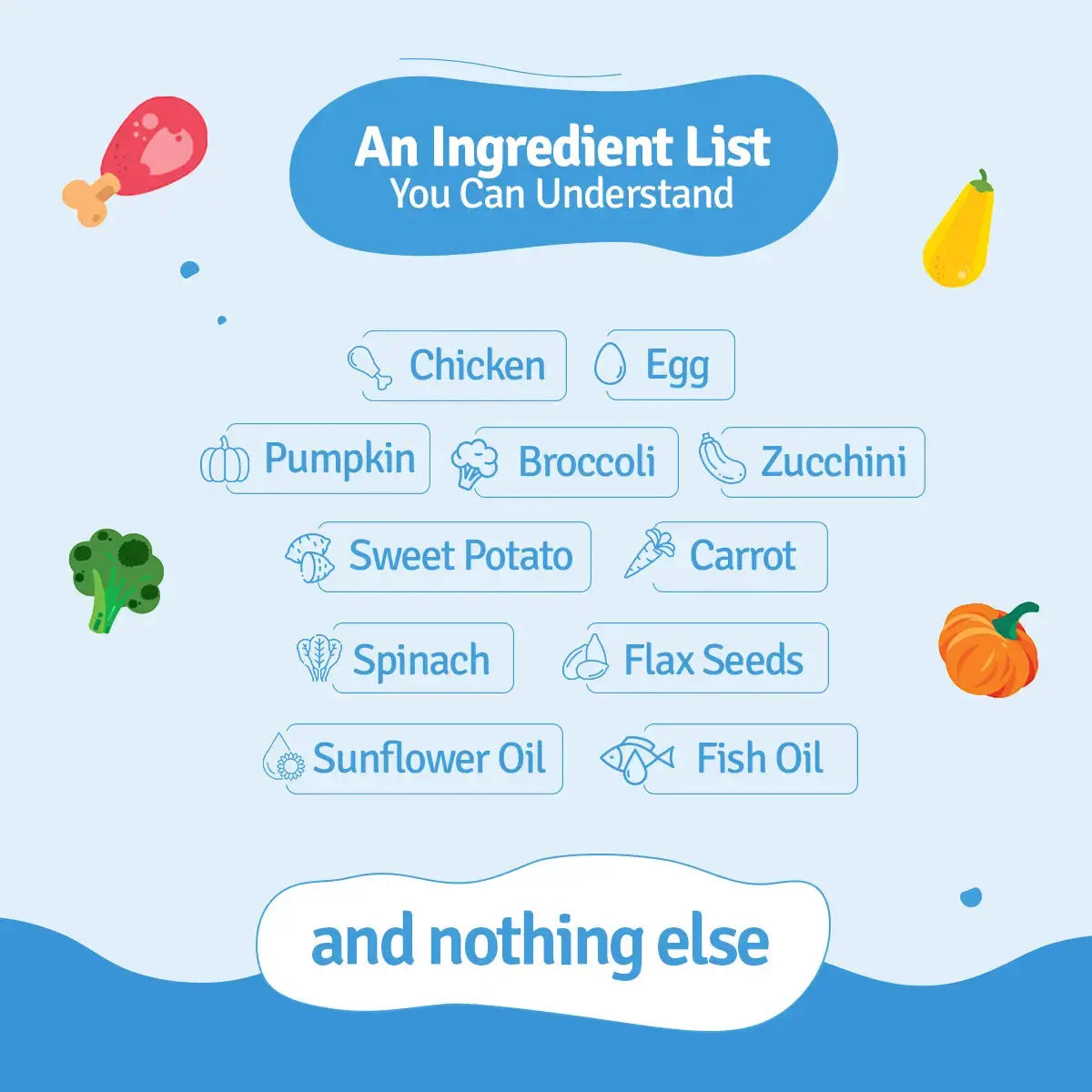
High-quality protein: Protein is just as essential for Indie dogs as any other breed of dog. They are quite active and have a muscular frame when they get proper nourishment. Therefore, an adequate amount of high-quality, lean protein from rich sources like chicken breast, lean goat meat, eggs, paneer, chickpeas, etc. is essential for Indie dogs.
Essential fatty acids: Indie dogs are prone to a number of skin issues, whether they be due to parasites or allergies. Essential fatty acids like omega-3 and omega-6 protect the skin and coat and help in recovery from skin reactions. A diet balanced with fatty fish, fish oil, cold-pressed sunflower oil, etc. is good for Indies’ skin and coat.
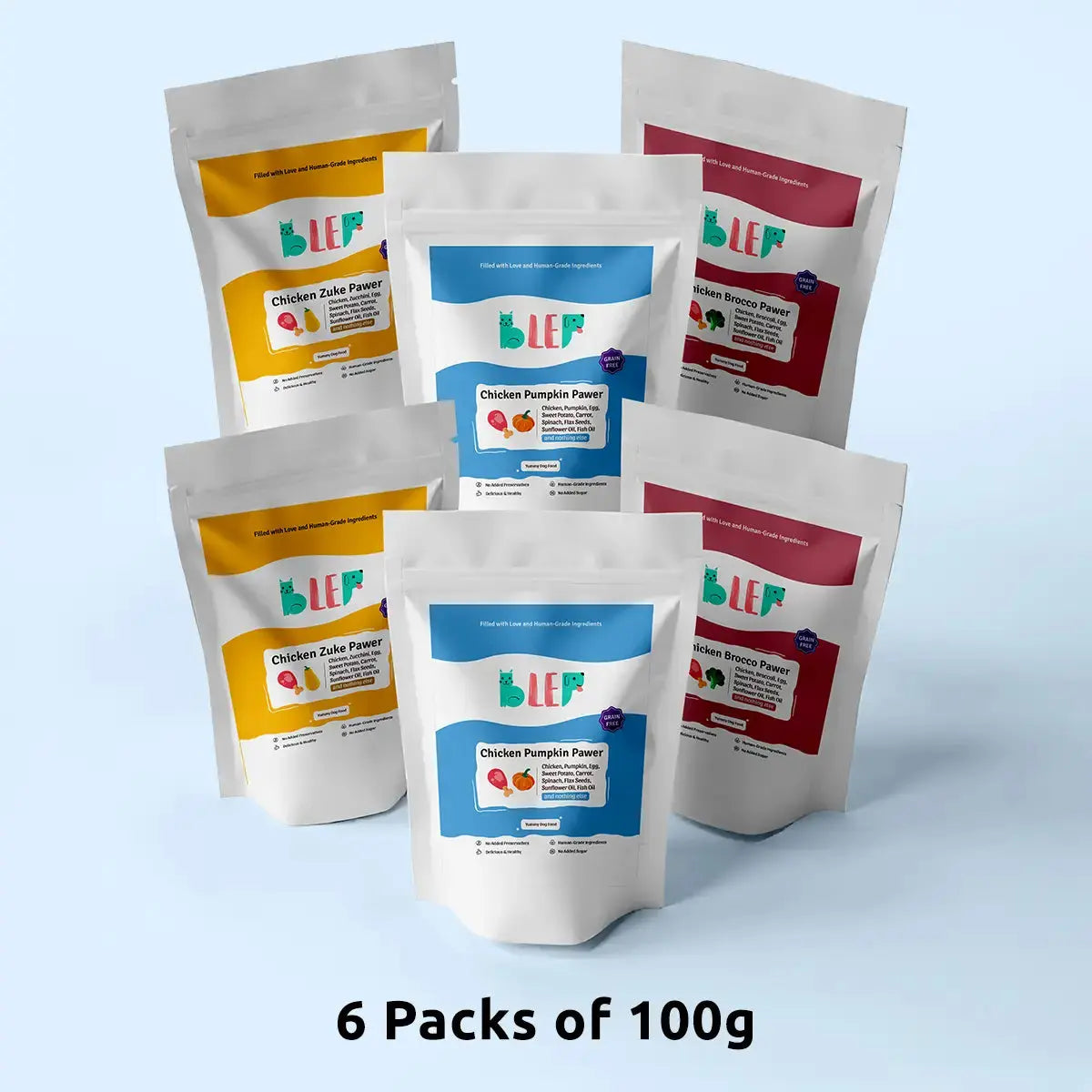
Low-starch carbs: Too much starch is bad for Indian Pariah Dogs because they’re mid-sized, and this starch eventually turns into stored fat. This then puts a lot of pressure on their bones and joints, which further compromises their health. Carbs that are higher in dietary fibres rather than starch, such as pumpkin, zucchini, cauliflower, oats, etc., are good for them.
Vitamins and minerals: Vitamins like A, E, C, and B-complex help with protecting skin and promoting cell regeneration. Minerals like zinc and copper also help in tissue maintenance. Thus, food rich in vitamins and minerals, like chicken, eggs, sweet potato, carrot, spinach, flaxseeds, etc., is good for Indian Pariah Dogs.
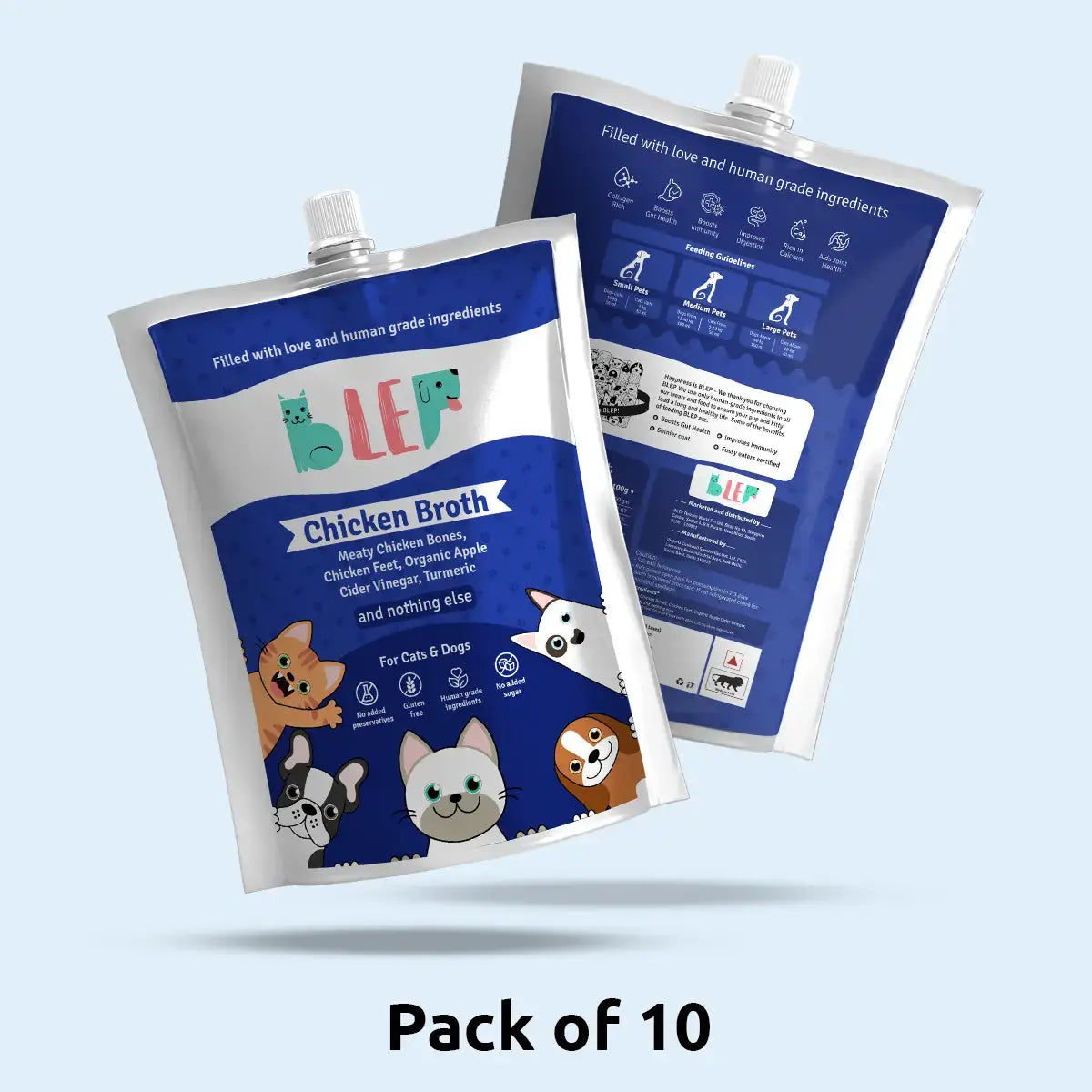
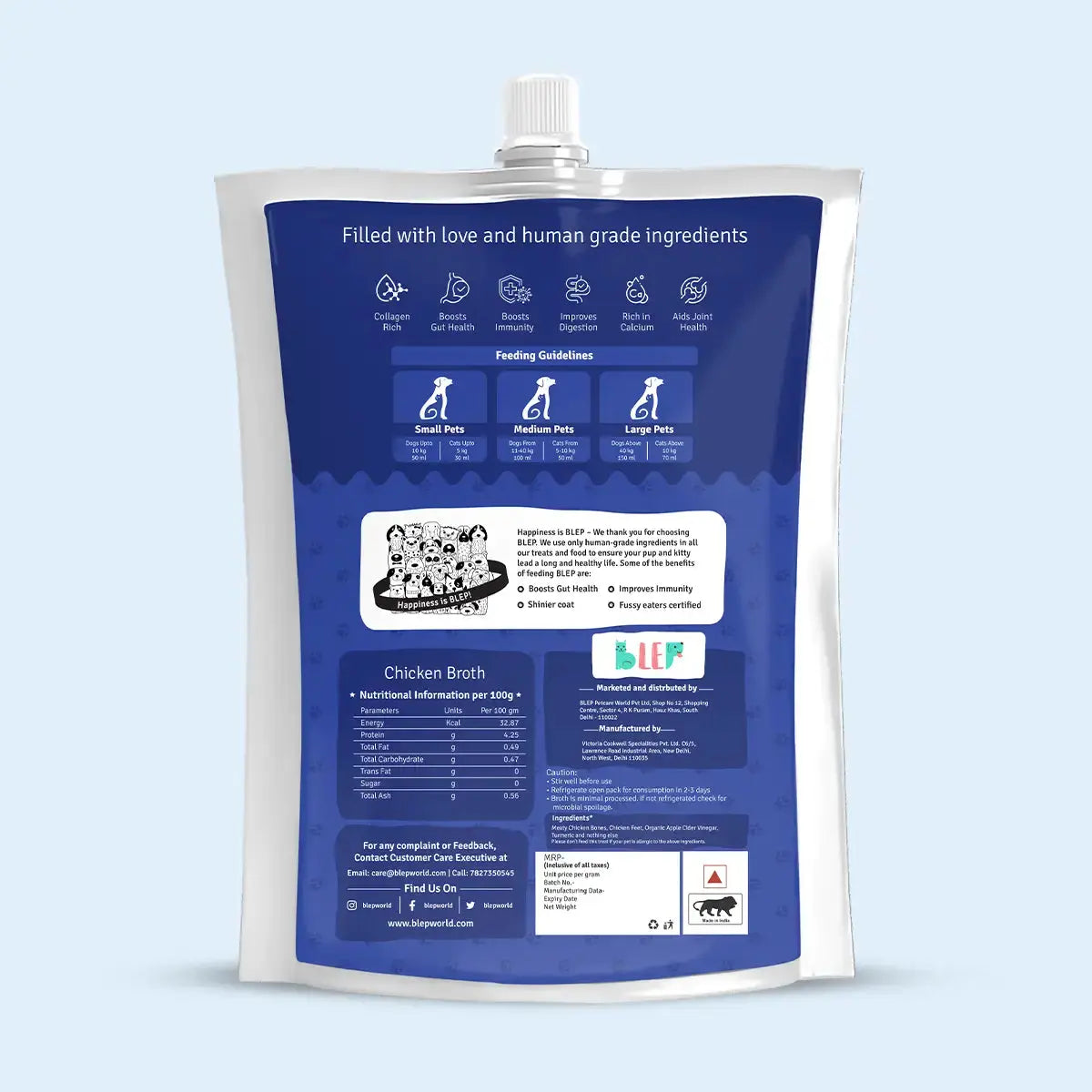
Hydration: Keeping your Indie pup hydrated is very essential, mainly because hydration affects the skin and coat acutely. Dehydrated skin is itchy, uncomfortable, and even more susceptible to infections. Moisture-rich veggies and fruits are good for both hydration and as a source of micronutrients. Plus, bone broths with collagen also help keep them healthy.

How to keep your Indie dog’s coat healthy?
Indie dogs are prone to skin and coat issues, even if they are generally very resilient. They may be susceptible to mange, allergic reactions due to parasites, hot spots, dermatitis, etc. Therefore, keeping their environment clean and contaminant-free is very important. Apart from that, regular brushing (at least 2-3 times a week) and checking of the skin is a good practice, even for the dogs who have short coats.
As always, eating a balanced, natural diet also helps immensely in treating skin and coat problems. Macronutrients help in the creation and maintenance of a healthy coat, while micronutrients protect it from various ailments. Natural ingredients like flaxseed, cold-pressed sunflower oil, fish oil, green leafy vegetables, etc. are great for skin and coat. But most importantly, giving bone broth to Indie dogs can be exceptionally good for their health because they are rich in collagen that is like an elixir for skin and coat.
Why is it important to feed 100% natural, human-grade food to your Indie dog?
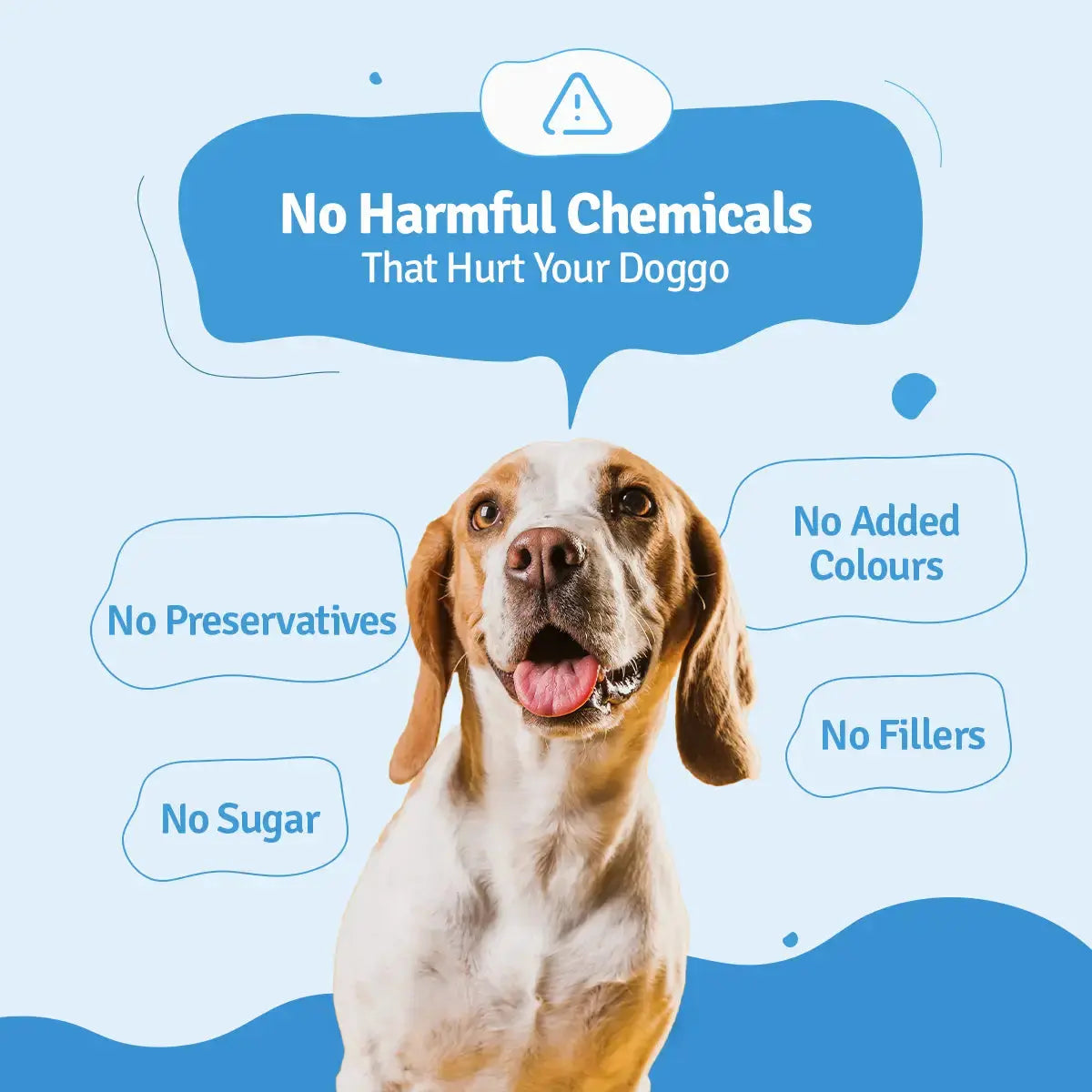
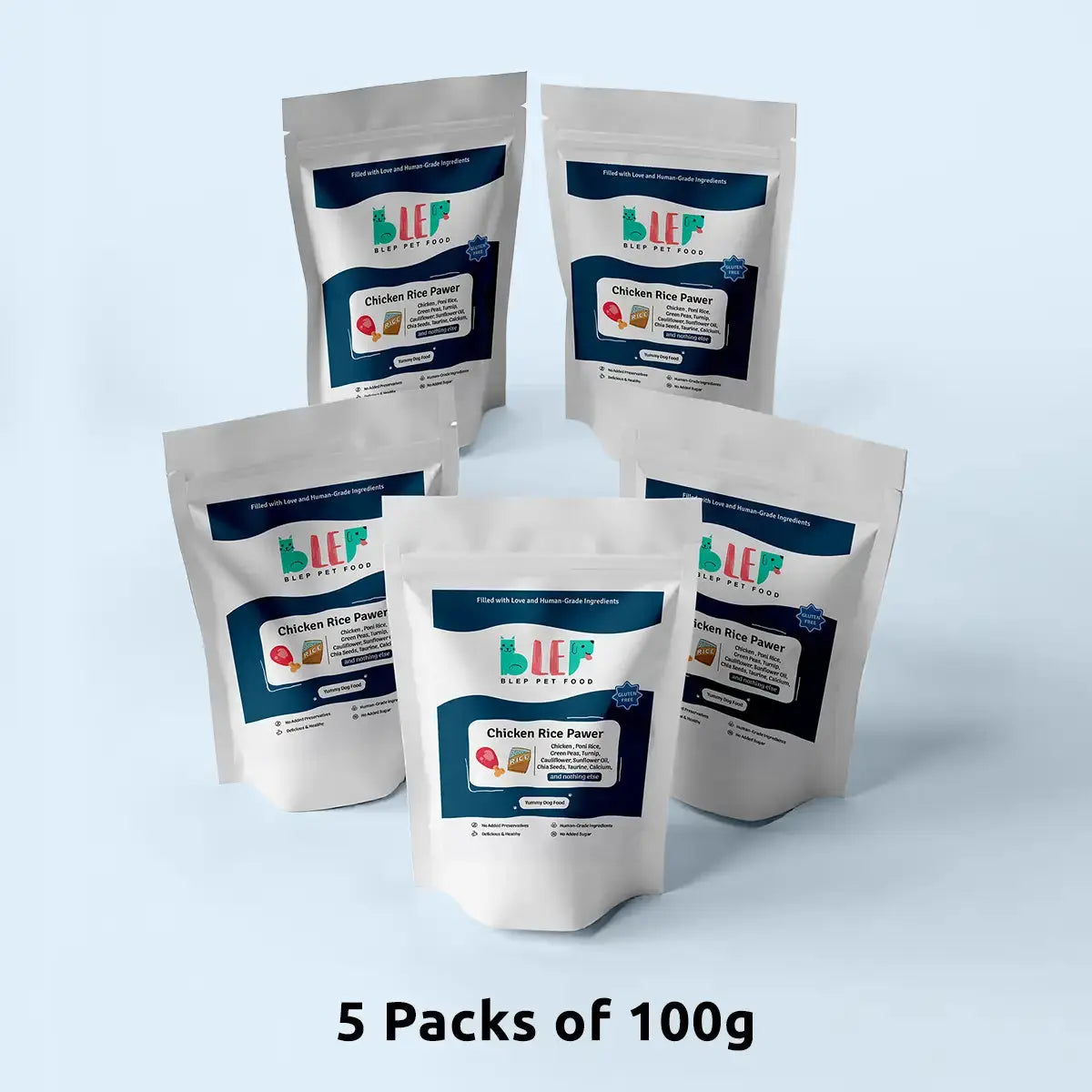
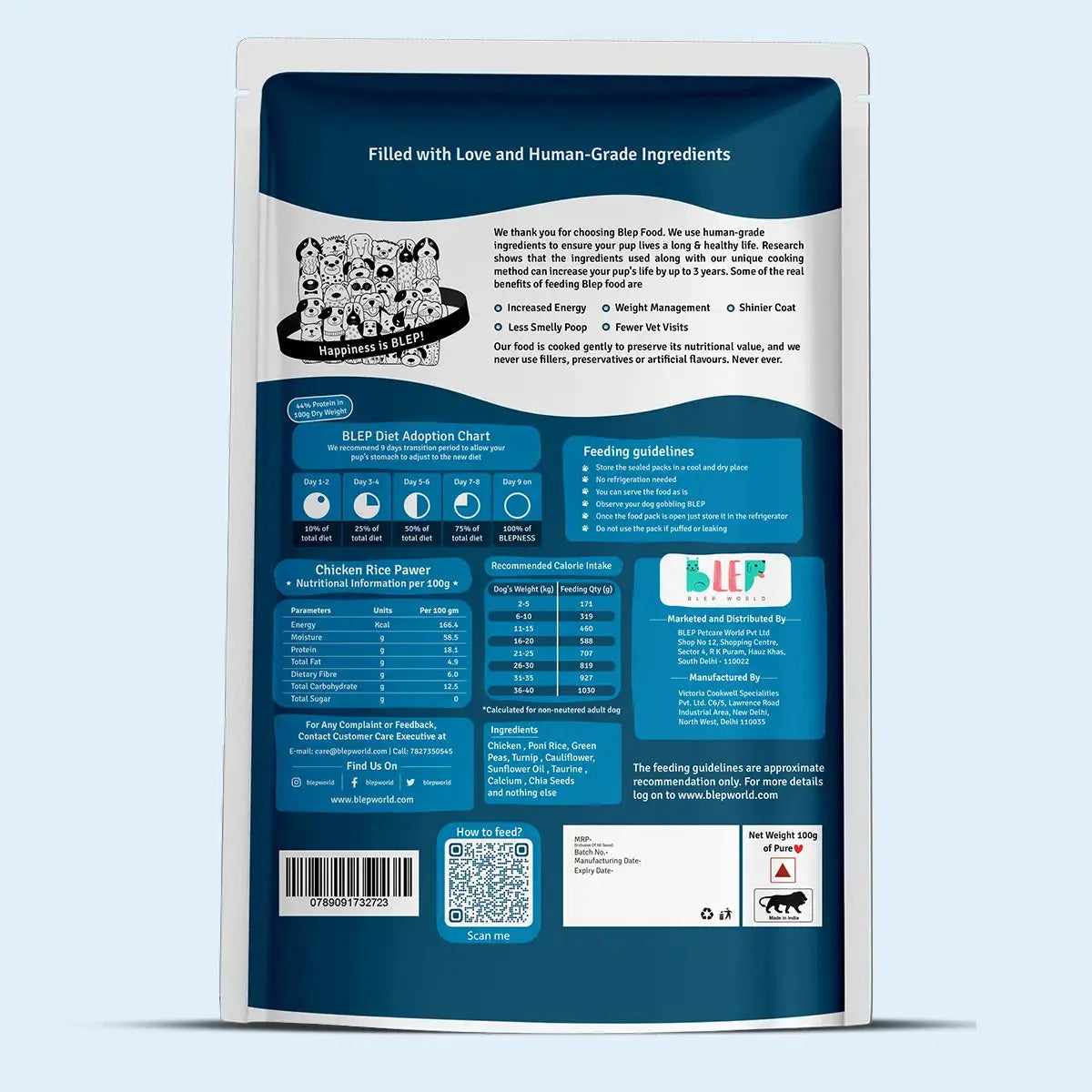
Just because Indie dogs are low maintenance and resilient doesn’t mean that they can be healthy and thriving eating anything. Ultra-processed food packed with fillers and preservatives can make them just as sick as foreign breed dogs. The two words, ‘100% natural’ and ‘human-grade’, together form a promise of quality and safety. This is what all pups need, including our Indies.
100% natural food is easier to digest and tends to retain a good amount of its nutritional value even after being cooked. When Indies eat natural food, they are able to absorb the nutrients better as well, protecting them from deficiencies. Plus, when the food is also ‘human-grade’, you know that it’ll be made of the kind of ingredients that human beings eat themselves and not scraps from meats and vegetables. Human-grade food is safe even for human consumption, which makes it extra safe for our pups. So if you give your pup 100% natural, human-grade food, you’ll be supporting their natural resilience and ensuring a healthy and longer life for them.

Looking to explore more tips on how to look after your furry friend? Check out our other guides like Can Dogs Eat Apples?, Can Dogs Eat Blueberries?, Dog Food for Weight Loss, Raw v/s cooked meat for dogs, Home Remedies to cure tick fever, Finding Good Dog Food in India, How many times should I feed my dog?, Things you should do to keep your pet healthy, Types of Dog Food, How Prebiotics and Probiotics can improve your dog's digestion, Essential Tips for a New Dog Parent and others. Each guide is designed to help you make better food and care choices for your dog, to keep them happy, healthy, and thriving.
Resources:
https://en.wikipedia.org/wiki/Indian_pariah_dog
https://en.wikipedia.org/wiki/Pye-dog
https://sploot.space/resources/indie-dog-breeds
Image Attribution:
By https://wellcomeimages.org/indexplus/obf_images/74/ea/85e5a35663801fc3323b0db4fccd.jpgGallery: https://wellcomeimages.org/indexplus/image/L0043625.htmlWellcome Collection gallery (2018-03-31): https://wellcomecollection.org/works/n4cbc6qg CC-BY-4.0, CC BY 4.0, https://commons.wikimedia.org/w/index.php?curid=36109366