







Key Takeaways:
-
Dog treats serve multiple purposes beyond rewards, including dental hygiene, mental stimulation, bonding, and positive reinforcement of desirable behaviours during training sessions.
-
Crunchy biscuits and rawhide chews are among the least healthy options, often containing harmful preservatives, artificial additives, fillers, and becoming choking hazards with minimal nutritional value.
-
Dehydrated jerky treats are among the healthiest commercial options, being high in protein, low in carbs, and minimally processed. However, they should also be given in moderation.
-
Natural foods like carrots, apples, peas, and light-cooked meat pieces make excellent healthy treat alternatives, providing fibre, vitamins, minerals, and protein. They are also tasty.
-
When selecting treats, carefully evaluate size appropriateness to prevent choking, check ingredients for harmful additives, and always prioritise natural, minimally-processed, high-quality options.
All our pups go crazy for treats, no exceptions. And for pet parents, treats can become useful for various things: when they’re trying to train their pup on commands, when they’re trying to stop pups from doing something foolish, or when they’re trying to resist their furballs’ puppy eyes, begging for the human food off their plate.
However, not all treats are made the same. Nowadays, treats come in many shapes and forms, varying even in functionality. So, if you’re a new pet parent, you must first find out the kinds of treats that exist, what they’re good for, and how to choose a good treat for dogs.

What kind of dog treats are available in India?
Crunchy dog biscuits
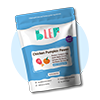
These are probably the most common and well-known form of treats: dog biscuits. They are small, inexpensive, and can be bought in bulk and kept around for whenever your dog wants a little something to nibble on. However, the crunchiness of dog biscuits usually comes from starch, which turns into sugar in the body, and that can cause weight gain if given in excess. Many dog biscuits may also contain fillers like wheat, corn, etc., and additives like artificial flavours, preservatives, and colours. These biscuits are often used during training. Dehydrated options are worth a look instead: BLEP's Chicken Jerky Treats, for instance, are just chicken breast, turmeric, and rosemary, with zero added sugar and zero preservatives.
Dental chews
Just like us, dogs too get a layer of food and bacteria stuck to their teeth when they eat. This is called plaque. After a while, this plaque hardens into a layer called tartar. The dense but porous dental chews are usually bigger than dogs’ mouths and help in scraping off the plaque and tartar on dogs’ teeth and gum line. When they chew on it, their teeth brush against the rough surface, and the plaque and tartar get clean. Some dental chews also freshen dogs’ breath. BLEP’s SUPER Oral Defence dental chews have a holistic approach to dental health: they combine mechanical plaque disruption (Cellulose Fibre), enzymatic biofilm breakdown (Mutanase & Dextranase), tartar-blocking Sodium Hexametaphosphate, and microbiome-balancing Seaweed and probiotics. This controls plaque, freshens breath, balances the oral microbiome, and helps maintain long-term oral health.
Soft chews
These are usually softer, more chewy treats that may be easier for puppies and senior dogs to chew. This can help puppies during teething and give senior dogs a chance to get a treat as well. However, these often contain a lot of preservatives and artificial additives, mainly for them to keep their texture and flavour, so you must be very careful about what ingredients are used.
Dehydrated jerky
Dehydrated jerky treats are usually made with meats of various kinds, such as chicken, lamb, turkey, etc. These are basically meat pieces from which moisture has been sucked out, making them both high in protein and less likely to become vessels for harmful microbes. All in all, these are one of the healthiest options when given in moderation. BLEP's Chicken Jerky Treats are made with dehydrated chicken breast with just turmeric and rosemary added for their anti-inflammatory properties. The dehydration process alone gives them an 82% protein content, so a small piece goes a long way nutritionally, not just as a snack.

Rawhide chews
These chews are tough and may come in many different shapes and forms. However, these may be made with by-products from the leather industry, have chemicals added for stability and palatability, and even have residue of bleaching agents. There are no benefits as such, but dogs tend to love them because of their artificially enhanced flavours. Another risk is that they may be a choking hazard if they break down and are swallowed. Rawhide chews cannot be broken down during digestion either.
Bone chews
Bone chews may be of two kinds: raw or dehydrated. Raw bone chews are basically cleaned pieces of strong and durable bone, such as lamb ribs, chicken necks, etc., that may or may not have meat attached to them. Dehydrated bones are those from which all the moisture has been taken out. These are even stronger and can last for a long time because of slowed decomposition. In any case, there may be risks related to splintering or choking, so you should be very careful and consider the different size and shape options to pick one of these.

When should I give my dogs treats?
Training
The most common use of treats is as training rewards when you’re teaching your pup how to perform different tasks. When they do the job right, you can use a small treat to create a positive association with the correct behaviour. In the same way, you can also withhold a treat during training to indicate undesirable behaviour.
Bonding and positive reinforcement
Treats are also a part of the bonding experience between pups and their humans, especially when teaching a pup how to behave with you. Feeding a treat or two when they’re being affectionate can reinforce that behaviour and create a positive bond. Or sometimes, the treat can just work as a love language to let them know that you love them.
Dental benefits
Many of the chew treats are made specifically for the sake of dental hygiene for dogs. This is because periodontal disease, or diseases of the teeth, gums, and mouth, is very common in dogs. In fact, it is estimated that more than 80% of dogs will get periodontal diseases over the age of three. Dental chews and other hard treats help physically scrape off the tartar from their teeth, thus helping in cleaning them.
Mental stimulation
Just like physical training and exercise, dogs also need some mental stimulation. This is when treats come to great use. They use their senses and their minds to find the treats during scent play, in puzzle toys, and from slow treat dispensers of various kinds. It keeps them engaged and alert, considering that dogs are natural foragers.
What are some healthy treats for dogs?
In a way, any food that attracts your pup can become a treat for dogs. The main job of a treat is to make them happy and associate a particular behaviour with desirability or undesirability, which can be done even with regular food.
What works particularly well and is also very healthy are meats, fruits and veggies. These contain fibre, vitamins, minerals, and antioxidants, which are just added benefits for your dog. Hard veggies and fruits, such as apples, carrots, etc., work very well as dental chews/treats, while others like peas, small pieces of pumpkin, broccoli, or peas can become training treats because of their palatability for dogs. Dehydrated pieces of chicken, turkey, or lamb are also very useful and safe for them and can act as an added dose of protein and micronutrients. This is essentially the same idea behind BLEP's Chicken Jerky Treats: dehydrated chicken breast with nothing added beyond turmeric and rosemary, so you get the protein benefit and some anti-inflammatory support, without any fillers.

What should I look out for when choosing treats for my dog?
When choosing a dog treat, there are a few things you can keep in mind so that you can give them the best experience without compromising on their health and wellbeing:
Size: The size of a treat is a very important consideration, especially if it’s something tough and difficult to digest like a bone chew. So, the size and shape should be according to your pup. Ideally, it should be too large for your pup’s mouth so they don’t swallow it. It should also not have pieces jutting out that may break during the chewing because swallowing that may still cause choking and discomfort.
Ingredients: The ingredients used in making the treat are very important to judge whether it is a good treat for your pup or not. Some treats are made with starch and sugar, which can cause dental issues and obesity if consumed in bulk frequently. Others may contain preservatives, chemicals and other additives that can harm your pup’s health long-term, so keep a close eye on the ingredients used in the treats you choose for them. A useful shortcut here: if you won’t eat the ingredients on the pack yourself, it's worth reconsidering. BLEP's Chicken Jerky Treats keep the list to three things: chicken breast, turmeric, and rosemary. It’s simple and effective.
Quality: The quality of a treat is crucial, because your pup will love eating it and associate it with happiness and positive behaviour. Therefore, bones with bacteria still on them, biscuits or rawhide loaded with preservatives or cheap training treats with artificial colours and flavours are best avoided. Instead, natural and minimally processed treats are better.
Frequently Asked Questions
How many treats can I give my dog per day?
Treats should make up no more than 10% of a dog's total daily calorie intake, with the rest coming from a complete, balanced meal. Even healthy treats like dehydrated chicken or veggies and fruits need to be counted toward that total, not treated as extra.
Are dental chews actually effective at cleaning teeth?
Yes, in case of early stage tartar and for maintenance after a cleaning. BLEP’s SUPER Oral Defence dental chews help with mechanical scraping as well as enzymatic breakdown of plaque and tartar. Plus, it freshens dogs’ breath!
Are rawhide chews safe for dogs?
These are generally not recommended because rawhide is often processed with chemicals and doesn't break down during digestion, creating a real choking or blockage risk, especially for dogs who chew aggressively.
What human foods can I use as safe treats?
Plain cooked chicken, small pieces of apple or carrot, and plain pumpkin are commonly safe options, though anything new should be introduced in small amounts first to check for sensitivities.
Can treats cause weight gain in dogs?
Yes and treats are easy to overfeed since they're small and given frequently, so their calories need to be counted as part of a dog's daily intake rather than treated as separate from mealtime.
How should I store dehydrated dog treats like Chicken Jerky Treats?
Sealed packets of BLEP Chicken Jerky Treats have a 12-month shelf life. Once open, they should be refrigerated and finished within a month, because there are zero preservatives or chemicals.
Looking to explore more tips on how to look after your furry friend? Check out our other guides like Can Dogs Eat Apples?, Can Dogs Eat Blueberries?, Dog Food for Weight Loss, Raw v/s cooked meat for dogs, Home Remedies to cure tick fever, Finding Good Dog Food in India, How many times should I feed my dog?, Things you should do to keep your pet healthy, Types of Dog Food, How Prebiotics and Probiotics can improve your dog's digestion, Essential Tips for a New Dog Parent, and others. Each guide is designed to help you make better food and care choices for your dog, to keep them happy, healthy, and thriving.
Resources:
https://www.dogseechew.in/blog/a-comprehensive-guide-to-choose-the-right-dog-treats-for-small-dogs
https://www.dogseechew.in/blog/a-comprehensive-guide-to-choose-the-right-dog-treats-for-small-dogs