






Key Takeaways:
- Beagles are energetic, muscular scent hounds with an exceptional sense of smell, widely used as detection dogs despite their compact, apartment-friendly size.
- Beagles are highly prone to obesity due to their love of food, which subsequently triggers serious secondary conditions like diabetes, joint problems, and mobility issues.
- High-quality lean protein is essential for Beagles' muscular build, while omega-3 and omega-6 fatty acids specifically address their common skin, coat, and allergy issues.
- High-starch carbohydrates must be strictly avoided for Beagles, as excess carbs contribute to weight gain and can worsen their predisposition towards yeast ear infections.
- Natural, human-grade dog food offers Beagles safety from harmful artificial additives and preservatives, using quality everyday ingredients rather than low-grade feed byproducts.
Why excitable fur missile? Well, that’s a Beagle for you. These English scent hounds are active and social and pack a punch in a small body. Beagles have an amazing sense of smell and are experts at tracking scents down. That’s why they are often used as detection dogs, especially for prohibited or illegal imports and exports.
The Beagle looks a lot like a mini Foxhound. They are about 13 to 16 inches high at the withers and weigh about 8.2 to 15.9 kg. Beagles have a strong, muscular frame with a smooth, hard coat. Their most distinctive features are the floppy ears and the white-tipped tail. Beagles are curious, playful, and sociable, making them a great addition to the family. Their compact size and smooth coat make them more manageable for apartment dwellers and first-time pet parents.

The history of the Beagle breed In the Middle Ages, the word ‘beagle’ may have referred to a number of smaller hounds. Beagles were also a favourite at royal courts, with Edward II and Henry VII possessing a number of ‘Glove Beagles’ (tiny enough to fit in a glove), while Queen Elizabeth I loved her ‘Pocket Beagles’, which were small enough to get into a saddlebag. The Beagle was originally meant to be a hunting and companion dog. They would primarily hunt rabbit or hare, which was known as ‘beagling’. However, the genetic line of these tiny Beagles is now lost.
In 1830s Essex, Reverend Phillip Honeywood established a Beagle pack. Many say that this was the origin point of the modern breed, developed from the mixture of a number of breeds: the Talbot Hound, the North Country Beagle, the Southern Hound, and the Harrier. They’ve been depicted in literature and art since the Elizabethan age in their homeland, but their real popularity blossomed in the USA and Canada.
The Beagle Club was established in the UK in 1890, while the National Beagle Club of America was formed in 1888. The breed suffered quite a bit during both the first and second world wars, and many varieties were lost, including, it is said, the ‘Pocket Beagle’ variety. However, after the wars, Beagles recovered their popularity and are now one of the most recognisable breeds of companion dogs in the world.
Common health problems of Beagles Obesity: Beagles love to eat, which often leads to weight gain and obesity-related issues. This is why a healthy, balanced diet and regular exercise are very important for them, even if they are a small-breed, apartment-comfortable dog. Obesity may, in turn, cause a lot of related diseases like diabetes, mobility issues, infections, etc., which diminishes the overall quality of life.
Ear Infections: Beagles are known for their distinctive and cute floppy ears. However, this adorable feature often causes them a lot of trouble. The long ears are prone to trapping moisture and debris, which can lead to nasty ear infections. This is why you need to regularly check and clean your Beagle’s ears to prevent irritation and possible infections. If you find them scratching excessively around the ear, tilting their head oddly, or a yeasty-sweet smell coming out of the ears, it is best to check and clean their ear and consult your vet.
Joint issues: Although the Beagle is a small, spritely breed, they are quite prone to bone and joint issues. One such is Intervertebral Disc Disease or IVDD. In this, there is a degeneration of the discs between two spinal vertebrae, which causes pain and difficulty in moving. Beagles also get hip dysplasia often, which is a developmental misalignment of the hip joint. Hip dysplasia may be caused by pressure on the joints due to excess weight as well.
Hypothyroidism: Hypothyroidism is a condition of the thyroid gland in which the gland stops producing enough hormones. This leads to changes in metabolism and other bodily functions. Warning signs may be hair loss and changes in fur and skin, unexplained weight gain, digestion issues, etc. Hypothyroidism is an issue that affects large parts of the body because it is hormone-related. Usually, Beagles who are older get it.
Eye issues: Beagles have large, slightly bulging eyes, so they often get problems with their eyes and vision. One condition that Beagles are prone to is ‘cherry eye’. In this, glands in the eyelids get prolapsed, which causes a swollen, red mass to appear in the corner of the eye. It is usually not painful but may require surgical intervention due to irritation. Beagles are also prone to glaucoma, which may lead to blindness if not treated at the right time. That’s why a glaucoma test is a must with their yearly vet checks.

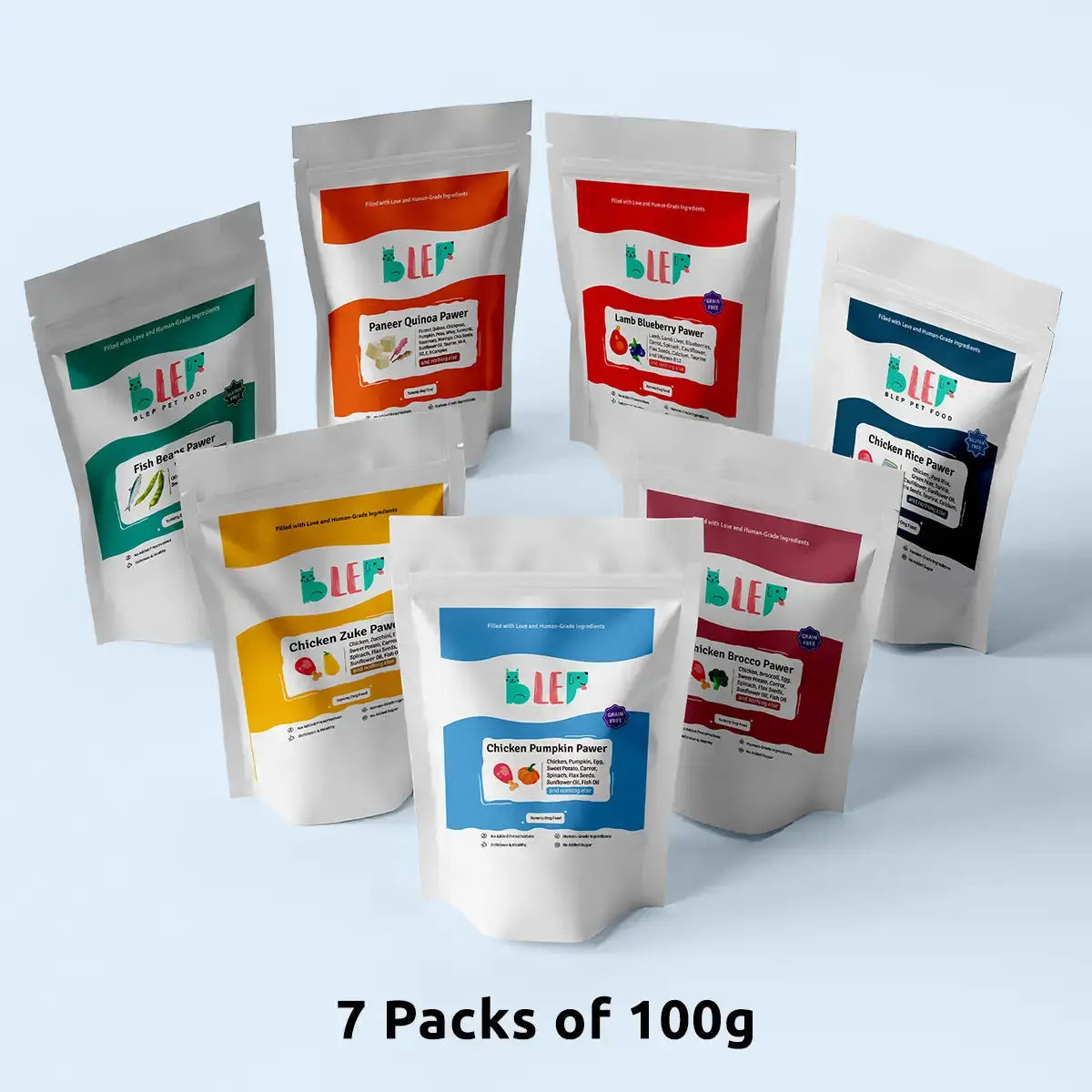
What are the nutritional needs of Beagles? Protein-rich food: In spite of their size, Beagles are quite sturdy and muscular. Therefore, they need a good amount of high-quality protein in their diet. Sources may be lean pieces of chicken like chicken breast, lean lamb loin meat, turkey meat, paneer, chickpeas, etc. Protein also helps in keeping the skin and coat healthy and also supports the hormonal systems. These are the same protein sources BLEP dog food recipes are anchored in: real chicken, lamb, or fish, measured to support that sturdy, muscular build without unnecessary filler weight.
Omega-3 and omega-6 fatty acids: Beagles often suffer from coat and skin issues, as well as allergies. This is why sufficient amounts of essential fatty acids, such as omega-3 and omega-6, must be included in their diet in a balanced manner. These will help keep skin protected and also repair damage. Apart from that, Beagles are also very active and energetic, so good fats are also required for their energy needs. Since skin and coat issues show up so often in this breed, BLEP dog food includes omega-rich ingredients across its recipes as a baseline, not an add-on: fish oil, cold-pressed sunflower oil, flaxseeds, etc. The goal is to get ahead of the problem through everyday meals rather than treat it after the fact.
Low-calorie carbs: Carbs are the primary reason for weight gain in a dog’s diet. Therefore, high-starch foods like potatoes, corn, wheat, etc., should be avoided as much as possible. Instead, high-fibre carbs that help in digestion and give energy should be chosen, such as sweet potato, cauliflower, pumpkin, etc. Even these should be given in moderate amounts. High-carb diets can also exacerbate yeast infections in the ear, something that Beagles are also prone to.
Micronutrients: Vitamins, minerals, antioxidants, and other micronutrients play a very important role in every dog’s health. So, you must make sure that your Beagle is also getting sufficient amounts. Vitamins B12 & D3 are good for hormonal health; vitamin A, C, & E help in healing skin and coat damage from hypothyroidism; and Zinc, Selenium & Iodine help in the proper functioning of thyroid hormones. Vitamin D is needed for good bones & joints, and vitamin A is also crucial for eye health.
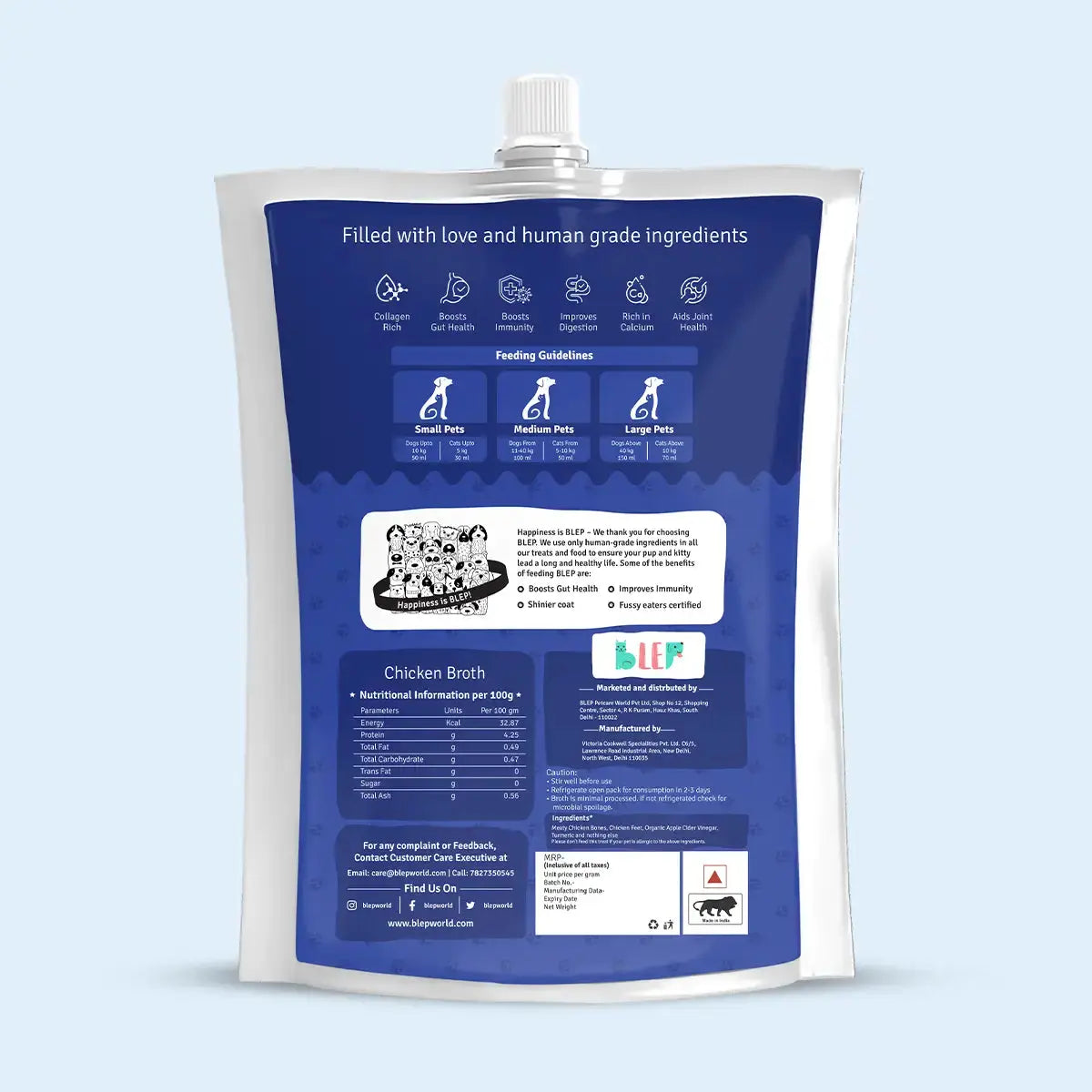
Water: Beagles are prone to overheating, even with a short coat. Therefore, dehydration is very common in Beagles, especially in the summer months. Plus, hydration is very important for skin and coat health, so you must make sure that your Beagle drinks enough water throughout the day. For added hydration, collagen and other nutrients, you can also give bone broths to your pup, as well as wet food.

How to keep your Beagle’s weight in check? The first order of business when trying to keep your Beagle’s weight in check is to do portion control. Beagles are huge foodies, so they will gobble up what you put in their bowl, and then some. They also have the signature pleading look in their eyes that they have inherited from their other hound dog ancestors; therefore, many pet parents end up overfeeding them treats as well, which should be given in strict moderation. Given how persuasive a Beagle can be at mealtime, having an actual number to stick to helps more than good intentions alone. BLEP's Diet Calculator gives you that number: a portion size based on your Beagle's weight and age, not guesswork.
As for the food itself, a healthy, balanced diet made up of high-quality lean protein, veggies packed with dietary fibre, essential fatty acids, and essential micronutrients should be given. Keep the carb intake in check particularly, as it can turn into the stored fat in the body that leads to weight gain. High-fibre carbs also help in better absorption of nutrients and healthy bowel movement. Choose carbs like sweet potatoes, oats, barley, quinoa, peas, carrots, chia seeds, flaxseeds, etc., so that they may be rich in other beneficial nutrients alongside being a source of carbohydrate.
Why is it important to feed 100% natural, human-grade food to your Beagle? When your pup’s food is 100% natural, you can be assured that there will be no artificial additives, chemicals, and preservatives that will be ingested by them. This is a big reassurance since these artificial additions may sometimes cause allergic reactions and other bodily damage if used for a long time. 100% natural dog food has everyday ingredients that we humans also consume in our daily lives; so, there is an added sense of security.
Now, where does human-grade dog food become important? ‘Human grade’ means safe enough for human consumption, which gives an assurance of quality. Usually, ingredients of feed-grade dog food won’t be allowed to come to our plates because they have been deemed unsafe for human consumption: byproducts, meal mixtures, etc. But human-grade dog food is made with top-quality ingredients that even humans can consume, so it is a very safe option for your pups. BLEP dog food builds every recipe to this human-grade definition: the kind of ingredients you'd recognise from your own kitchen, not a feed-grade byproduct list. For a breed already prone to allergies and skin sensitivity, that distinction isn't a marketing detail, it's a meaningful difference in what's actually going into your Beagle's body every day.

Beagles are food-driven, prone to joint issues, and more sensitive to what's in their bowl than their tough little bodies let on. A diet built around real protein, the right fats, and portion discipline handles most of what this breed is genetically up against. BLEP's Beagle-friendly recipes support joint comfort, healthy weight and, overall, a better quality of life.
Frequently Asked Questions
Why are Beagles so prone to obesity?
Beagles have a strong food drive inherited from their scent-hound history and a relatively low daily calorie need for their size, so consistent portion control matters more for this breed than most. This is where BLEP’s Diet Calculator comes in handy: it gives you precise instructions on how much food your dog needs per meal.
What human foods can Beagles eat safely?
Lean cooked chicken, lamb, fish, eggs, turkey, paneer, and small amounts of fibrous vegetables like pumpkin, carrots, spinach, broccoli, etc., are safe for dogs, though any new food should be introduced gradually.
Why do Beagles get ear infections so often?
Their long, floppy ears trap moisture and debris against the ear canal, creating conditions yeast and bacteria thrive in, so regular cleaning matters more for Beagles than upright-eared breeds.
Can diet affect a Beagle's risk of hip dysplasia or IVDD?
Diet can't prevent these structural/genetic conditions, but maintaining a healthy weight reduces the mechanical strain on joints and the spine, which can ease symptoms and slow progression. A fresh dog food like BLEP is highly digestible and doesn’t contain high-calorie fillers, which makes it a good food for weight management.
What are signs of hypothyroidism in Beagles?
Unexplained weight gain, hair thinning or changes in coat quality, and digestive issues are common early signs, and it's more frequently diagnosed in older Beagles.
How much should I feed my Beagle to prevent overeating?
Measured portions based on weight and activity level (rather than free-feeding or eyeballing) are essential, since Beagles will reliably eat past the point of fullness if allowed to.
Looking to explore more tips on how to look after your furry friend? Check out our other guides like Can Dogs Eat Apples?, Can Dogs Eat Blueberries?, Dog Food for Weight Loss, Raw v/s cooked meat for dogs, Home Remedies to cure tick fever, Finding Good Dog Food in India, How many times should I feed my dog?, Things you should do to keep your pet healthy, Types of Dog Food, How Prebiotics and Probiotics can improve your dog's digestion, Essential Tips for a New Dog Parent, and others. Each guide is designed to help you make better food and care choices for your dog, to keep them happy, healthy, and thriving.
Resources:
https://en.wikipedia.org/wiki/Beagle
https://www.akc.org/dog-breeds/beagle/
https://www.petmd.com/dog/breeds/beagle
https://www.royalkennelclub.com/search/breeds-a-to-z/breeds/hound/beagle/
https://lbah.com/breed-disease/beagle-diseases/
https://www.imprimedicine.com/blog/beagles
Image Attribution:
By various, unknown - Anecdotes of Dogs By Edward Jesse;The dog, in health and disease, by Stonehenge,The Field Book: Or, Sports and Pastimes of the United Kingdom by William Hamilton Maxwell, Public Domain, https://commons.wikimedia.org/w/index.php?curid=2375045