







Key Takeaways:
-
Bad breath is usually a sign of dental disease. Plaque, tartar and harmful oral bacteria are the leading causes of persistent bad breath in dogs.
-
Early intervention prevents bigger problems. Left untreated, plaque can progress to gingivitis and periodontal disease, causing pain, tooth loss and potentially affecting overall health.
-
Brushing is the gold standard. Daily brushing, supported by scientifically backed dental ingredients like enzymes, SHMP, zinc, probiotics and Ascophyllum nodosum, helps maintain better oral health.
-
Diet plays an important supporting role. A minimally processed, zero-sugar, zero-starch fresh diet, paired with regular dental care, can help create a healthier oral environment.
-
Persistent bad breath deserves a vet visit. If your dog's bad breath is accompanied by swollen gums, loose teeth, facial swelling or difficulty eating, seek veterinary care promptly.
Bad breath in dogs is most commonly caused by the build-up of plaque & tartar on the teeth, and harmful bacteria inside the mouth. While mild "dog breath" can be normal, persistent foul-smelling breath often indicates dental disease and should not be ignored.
Persistent bad breath (halitosis) is often an early sign of plaque build-up and dental disease. Left untreated, plaque and tartar can progress to gingivitis and periodontal disease, making eating painful and potentially affecting overall health. In severe cases, advanced periodontal disease has also been associated with changes in organs such as the heart, kidneys and liver.
The good news? With consistent dental care, targeted dog oral supplements and a balanced diet, bad breath in dogs is often manageable. Let’s do a deep dive on how to prevent dental disease in dogs.
What causes bad breath in dogs?
The most common cause of bad breath is dental issues.
After every meal, food particles combine with saliva and naturally occurring bacteria to form a sticky film called plaque. If plaque isn't removed, it begins to harden into tartar (calculus) over several days. As tartar builds up along the gumline, it creates an ideal environment for anaerobic bacteria, which release volatile sulfur compounds (VSCs), the chemicals responsible for the characteristic rotten odour of bad breath.
Less commonly, persistent bad breath may also result from oral injuries, tooth root abscesses, foreign objects lodged in the mouth, or systemic diseases such as kidney disease, diabetes or liver disease.

Signs it's more than normal dog breath
Bad breath is often one of the earliest signs of dental disease. Watch for:
-
Yellow or brown tartar on the teeth
-
Red, swollen or bleeding gums
-
Difficulty chewing or dropping food
-
Excessive drooling
-
Pawing at the mouth
-
Loose teeth
-
Reduced appetite
Small breeds such as Shih Tzus, Chihuahuas, Pomeranians and Yorkshire Terriers are particularly prone to dental disease because of crowded teeth, making regular dental care even more important.
Puppies may develop mild temporary bad breath while teething or when baby teeth trap food. However, persistent or unusually foul-smelling breath should always be evaluated by a veterinarian.
When should you see a veterinarian?
Schedule a veterinary examination if your dog's bad breath persists despite regular dental care or is accompanied by swollen or bleeding gums, loose teeth, facial swelling, difficulty eating, excessive drooling or sudden changes in appetite.
Because bad breath can occasionally indicate an underlying medical condition, a professional examination is the safest way to identify the cause.

How can you reduce bad breath?
The most effective dental care combines daily plaque removal with ingredients that support a healthier oral environment. Regular tooth brushing remains the gold standard because it physically removes plaque before it hardens into tartar.
Alongside brushing, specific dental ingredients may provide additional support:
Breaking down dental plaque biofilms
Mutanase and dextranase are specialised enzymes that help break down the sticky glucan matrix that forms dental plaque biofilms, making bacterial deposits easier to disrupt. By weakening the protective layer that bacteria use to adhere to the tooth surface, these enzymes support more effective plaque control as part of a regular dental care routine.
Neutralising bad breath at the source
Zinc acetate helps reduce volatile sulfur compounds (VSCs), the primary chemicals responsible for foul-smelling breath, produced by oral bacteria. When combined with chlorophyllin copper, a plant-derived deodorising compound, it helps neutralise odour molecules at their source instead of simply masking unpleasant smells.
Preventing tartar formation
Sodium hexametaphosphate (SHMP) binds to calcium present in saliva, helping reduce the mineralisation of plaque into hard tartar. By slowing tartar formation, SHMP helps maintain cleaner tooth surfaces. Ascophyllum nodosum, a natural brown seaweed studied in canine dental health, may also help reduce plaque and tartar accumulation when consumed consistently over time. Research suggests it may alter the composition of saliva in a way that makes plaque less likely to harden into tartar.
Supporting a healthier oral microbiome
Oral probiotics such as Lactobacillus salivarius and Limosilactobacillus reuteri may help support a healthier balance of bacteria in the mouth by competing with undesirable microbes. They contribute to healthier gums and fresher breath.
Dental supplements, of course, are a supportive addition to your dog’s dental care routine. It shouldn’t replace brushing or professional dental procedures.

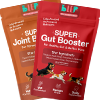
BLEP SUPER Oral Defence: Dental supplement chews for dogs
SUPER Oral Defence combines a proprietary enzyme blend of mutanase and dextranase to break down plaque biofilms, with sodium hexametaphosphate (SHMP) and zinc acetate to reduce tartar formation and neutralise bad breath at the source. Clinically studied Ascophyllum nodosum seaweed, decaffeinated green tea extract, parsley, cranberry, and blueberry provide additional botanical support, while oral probiotics, including Lactobacillus salivarius, Lactobacillus reuteri, and Lactobacillus animalis, along with prebiotics and postbiotics help maintain a healthier balance of bacteria in the mouth. Fish oil rounds out the formula for overall oral tissue health.
Every batch is vet-formulated, made with human-grade ingredients, and cold-pressed under 25°C to preserve potency. Delivered as a daily chew, SUPER Oral Defence oral supplements for dogs are designed to support fresher breath and cleaner teeth as part of your dog's regular dental care routine alongside, not instead of, brushing.
How does dental disease happen in dogs?
Although the process is complex, here is a simple way of understanding how exactly dental disease happens and progresses:
Food debris + bacteria → Plaque (within hours) → Tartar (over several days) → Gingivitis (within weeks) → Periodontal disease (over months).
Does diet affect bad breath?
Diet influences overall oral health. Food that’s full of sugar and starch attracts more harmful bacteria in a dog’s mouth. That’s because dogs lack salivary amylase, so they can't break down these starches in their mouths. The sticky carb residue clings to their teeth, fueling harmful bacteria, plaque, and tartar. This is why ultraprocessed dog food may have a harmful effect on dog dental health.
Minimally-processed fresh dog food like BLEP has zero sugar or starch, therefore it can support oral health. Pairing a clean-label fresh diet with regular brushing and targeted dental support helps create a more comprehensive approach to oral health.
Daily prevention checklist
A simple daily routine can significantly reduce the risk of bad breath:
-
Brush your dog's teeth regularly using a dog-safe toothpaste.
-
Provide fresh drinking water at all times.
-
Schedule regular veterinary dental examinations and professional cleanings when recommended.
-
Feed a complete, balanced diet to support overall oral health.
When should I not give oral supplements to my dog?
It is generally recommended that puppies below 3 months of age and pregnant or lactating dogs should not be given any supplements unless advised by a vet. Check the label of your calming supplement for dogs thoroughly. If your dog is allergic to any of the ingredients, do not give the supplements to them.

Looking to explore more tips on how to look after your furry friend? Check out our other guides like Can Dogs Eat Apples?, Can Dogs Eat Blueberries?, Dog Food for Weight Loss, Raw v/s cooked meat for dogs, Home Remedies to cure tick fever, Finding Good Dog Food in India, How many times should I feed my dog?, Things you should do to keep your pet healthy, Types of Dog Food, How Prebiotics and Probiotics can improve your dog's digestion, Essential Tips for a New Dog Parent, and others. Each guide is designed to help you make better food and care choices for your dog, to keep them happy, healthy, and thriving.
Frequently Asked Questions
What causes bad breath in dogs?
Plaque & tartar on dogs’ teeth and harmful oral bacteria are the most common causes, although underlying medical conditions can sometimes contribute.
Why does my dog's breath smell so bad?
Bacteria living beneath plaque and tartar on the teeth and gums produce volatile sulfur compounds, which create the characteristic foul odour.
Is bad breath normal in puppies?
Mild bad breath during teething can be normal, but persistent foul breath should be checked by a veterinarian.
Can bad breath come from the stomach?
In dogs, bad breath most commonly originates in the mouth rather than the stomach.
Can oral supplements replace brushing?
No. Brushing remains the gold standard for plaque removal. Supplements work best as part of a complete dental care routine. SUPER Oral Defence oral supplements for dogs are designed to complement daily brushing, not replace it, by targeting plaque biofilms and tartar formation between brushings.
Do probiotics help dog oral health?
Certain oral probiotics, such as Lactobacillus salivarius, Lactobacillus reuteri, Lactobacillus animalis, and Bacillus coagulans, help support a healthier oral microbiome. This addresses the root of the problem: harmful oral bacteria. SUPER Oral Defence oral supplements for dogs include all four of these strains, alongside prebiotics and postbiotics for broader microbiome support.
Can tartar be removed naturally?
Daily dental care supplements help prevent new tartar from forming and ingredients like Ascophyllum Nodosum seaweed help soften tartar. However, once tartar has hardened, professional dental cleaning is usually required.
Does diet affect dental health?
Yes. A minimally processed, zero-sugar, zero-starch fresh dog food diet like BLEP can support oral health by reducing the sticky carbohydrate residue that fuels plaque-causing bacteria, especially when paired with regular brushing and dental care.
When should I see a veterinarian?
If bad breath persists or your dog has swollen gums, loose teeth, facial swelling or difficulty eating, get a vet check-up done quickly. If left untreated, internal organs may be impacted.
How often should I brush my dog's teeth?
Daily brushing provides the greatest benefit, but brushing two to three times a week is still better than not brushing at all. Regular brushing helps remove plaque before it has a chance to mineralise into tartar.
Is SUPER Oral Defence right for my dog?
SUPER Oral Defence oral supplements for dogs are formulated for those who could use extra support against plaque, tartar, and bad breath, especially small breeds prone to crowded teeth and dental disease. It combines the mutanase-dextranase enzyme blend, zinc acetate, and Ascophyllum nodosum seaweed to target plaque and tartar, along with four oral probiotic strains, prebiotics, and postbiotics to support a healthier mouth microbiome. It's meant to work alongside regular brushing and vet dental checkups, not replace them.
Resources:
https://pmc.ncbi.nlm.nih.gov/articles/PMC3633265/
https://pmc.ncbi.nlm.nih.gov/articles/PMC6080642/
https://pmc.ncbi.nlm.nih.gov/articles/PMC11154121/
https://pmc.ncbi.nlm.nih.gov/articles/PMC10997270/
https://www.northbrookhavenvet.com/site/blog/2022/02/14/plaque-tartar-buildup-dogs
https://pmc.ncbi.nlm.nih.gov/articles/PMC5969230/