






Key Takeaways:
-
Switching dogs to vegetarian diets in summer is unnecessary and potentially harmful, as dogs need consistent animal protein year-round regardless of seasonal temperature changes.
-
Plant-based diets for dogs require precise veterinary nutritionist formulation with specific amino acid supplementation, making casually home-prepared vegetarian meals nutritionally inadequate and risky.
-
The real summer dietary priority is increased hydration, not reduced protein, as dogs lose significant moisture through panting and face chronic low-grade dehydration in India's heat.
-
Hydrating summer additions like watermelon, cucumber, blueberries, and carrots make excellent meal supplements, providing vitamins, antioxidants, and high water content alongside regular protein-rich meals.
-
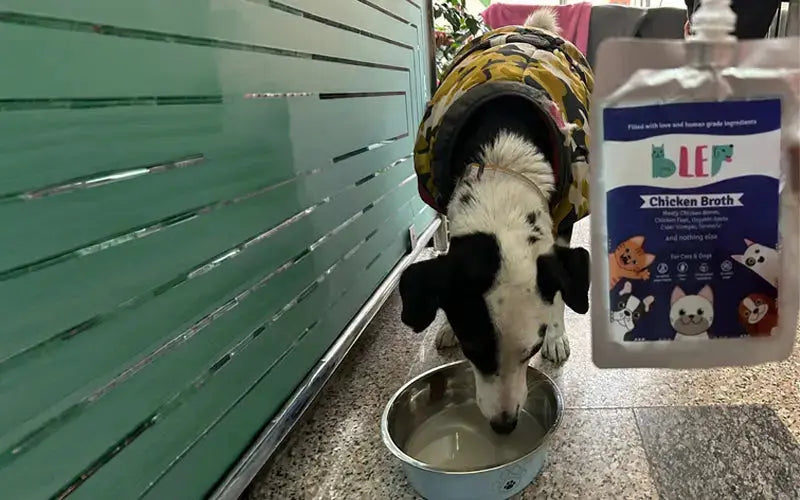
Bone broth served as a meal topper, standalone drink, or frozen ice cubes is one of the most effective and palatable ways to boost daily fluid intake during hot Indian summers.
When the Indian summer hits in full force and temperatures climb past 40 degrees, it is natural to rethink what you are putting in your dog's bowl. Many pet parents wonder whether lighter, vegetarian food might be easier on their dog's system in the heat, drawing from the same instinct that leads many people to eat less meat themselves during summer. It is a thoughtful question, and it deserves a thoughtful answer.
But the short answer? Please do not switch your dog to a purely vegetarian diet in summer, or any other season. They need more than 2.55 g of protein per kg of bodyweight per day. It is very difficult to ensure that they are getting this amount just from vegetarian food.
Do dogs need meat in summer?
The concern that meat is "too heavy" for dogs in summer is understandable but not supported by veterinary science. Dogs do not experience summer the way humans do in terms of dietary preferences. Their digestive systems do not call for lighter food when it is hot outside. What they actually need more of in summer is hydration, not less protein.
Protein is one of the most critical nutrients in a dog's diet year-round. It builds and repairs muscles, supports organ function, helps produce hormones and enzymes, maintains a healthy coat and skin, and keeps the immune system strong. Removing or significantly reducing animal protein in summer, without a carefully planned replacement, creates a real nutritional gap that can affect your dog's health over time.

Can dogs get enough protein from vegetarian food alone?
Dogs are omnivores, which means they can technically digest both animal and plant-based food. Research published in the Journal of the American Veterinary Medical Association confirms that when a plant-based diet is appropriately formulated, protein and amino acid content need not be a concern. The key phrase here is "appropriately formulated." This means precisely calculated combinations of plant proteins, supplemented with specific amino acids like methionine, taurine, and carnitine, and monitored regularly by a veterinary nutritionist.
A home-prepared vegetarian meal for a dog, however well-intentioned, is rarely this precise. Simply swapping chicken for paneer or egg for dal does not account for the amino acid profile your dog needs. Animal proteins are considered higher in bioavailability for dogs, meaning their bodies absorb and use these proteins more efficiently than they do most plant sources. Feeding only vegetarian food at home, without expert formulation, puts your dog at risk of protein deficiency, amino acid imbalances, and the longer-term health consequences that follow.
Unless a veterinary nutritionist has designed a complete and balanced vegetarian plan for your dog, continuing to include good-quality animal protein in their meals in summer is the safest and most sensible choice.
How much protein does a dog need daily?
AAFCO recommends a minimum of 18% crude protein on a dry matter basis for adult dogs, and 22.5% for puppies. In practical terms, a healthy adult dog needs more than 2.55 grams of protein per kilogram of body weight per day. Active breeds, puppies, pregnant dogs, and seniors recovering from illness may need more.
High-quality animal protein sources such as chicken breast, lean lamb, eggs, and fish provide not just the quantity of protein your dog needs but also the full spectrum of essential amino acids in forms their body can readily absorb and use. BLEP's natural dog food is built around these exact protein sources, with 100% natural, human-grade ingredients and zero fillers, starch, or artificial additives, making it a clean, reliable source of daily protein in every season.

What should you actually focus on in summer?
The real dietary priority for dogs in summer is not reducing protein. It is increasing hydration. Dogs regulate their body temperature primarily through panting, which means they lose a significant amount of moisture through respiration in warm weather. Chronic low-grade dehydration in summer is a common and often unrecognised concern for Indian pet parents. Here are the best ways to support your dog's hydration during summer:
Feeding fresh dog food
Fresh dog food is usually higher in moisture content and offers a good balance of protein and hydrating vegetables and fruits. In the heat, dogs often lose their appetite. Fresh dog food like BLEP is highly palatable because of its natural taste and smell, which may encourage them to eat better. Plus, a high-moisture diet can actually help prevent low-grade chronic dehydration, which is a common problem in the summers for dogs.
Adding hydrating fruits and vegetables to their meal
Several fruits and vegetables are safe for dogs, naturally high in water content, and can be added to meals as a cool, nutritious supplement during summer.
-
Watermelon: With over 90% water content, is one of the most hydrating treats you can give your dog on a hot day. It is rich in vitamins A, B6, and C, and low in calories. Always remove the rind and seeds before serving.
-
Blueberries: These antioxidant-packed berries are a great low-calorie treat for dogs, especially when frozen. Adding a few of these to their meals can give the food more flavour and more nutrition.
-
Cucumber: This veggie is another excellent summer addition. It is almost entirely water, extremely low in calories and carbohydrates, and packed with vitamins K, C, and B1. It can be served fresh or frozen as a crunchy snack.
-
Carrots: The water content of carrots is around 88%, so this is also a good choice. They are rich in beta-carotene, fibre, and vitamins A, C, and K, and can be served lightly steamed.
These should be treated as additions to, not replacements for, a complete and balanced meal.
Serving bone broths for hydration
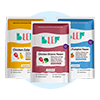
One of the most effective and palatable ways to boost your dog's fluid intake in summer is through bone broth. BLEP's chicken bone broth and lamb bone broth are both slow-cooked for 24 hours, made with meaty bones and collagen-rich parts like chicken feet and lamb paya, organic apple cider vinegar, and turmeric. These have 100% natural ingredients, and contain zero preservatives, zero salt, and zero additives.
You can pour it over your dog's regular meal as a topper, serve as a standalone drink, or frozen into ice cubes for a cooling summer treat. It is naturally hydrating, supports gut health, and adds a meaningful nutritional boost alongside your dog's daily meals.
Ensuring that they have multiple bowls of fresh water
Ensure your dog has access to fresh, clean drinking water at all times during summer, and consider refreshing it multiple times a day. Dogs are more likely to drink more when the water is cool, clean and easily available.

So what should you feed your dog in the summer?
Summer does not call for a protein reduction in your dog's diet. It calls for better hydration, smarter meal additions, and continued attention to nutritional quality.
Keep animal protein as the foundation of your dog's meals. Give them high-quality fresh dog food made with chicken, fish, or lamb. Add hydrating fruits and vegetables, such as cucumber, zucchini, pumpkin, watermelon, pineapple, etc., but in moderation. Use toppers like bone broth to increase the hydration and nutrition content of their food. Most importantly, make sure that they drink plenty of water throughout the day.
Frequently Asked Questions
Is it safe to feed my dog non-vegetarian food in summer?
Yes, absolutely. There is no veterinary or scientific basis for avoiding meat in a dog's diet during summer. The idea that non-vegetarian food is too heavy for dogs in the heat is a common misconception borrowed from human dietary habits, but dogs' digestive and nutritional needs do not change with the season. Animal protein from sources like chicken, lamb, fish, and eggs remains essential year-round. What matters more in summer is ensuring your dog stays well-hydrated alongside their regular protein-rich meals.
Do dogs need less protein in summer?
No. Protein is essential year-round for muscle maintenance, immune function, organ health, and coat condition. What changes in summer is the need for greater hydration, not less protein.
What fruits and veggies can I give my dog in summer?
Watermelon (seeds and rind removed), cucumber, and carrot are excellent hydrating summer additions for dogs. They are safe, vet-approved, and high in water content. Always introduce new foods gradually and serve in moderation alongside complete meals.
How can I keep my dog hydrated in summer?
Ensure constant access to fresh, cool water. Add hydrating foods like watermelon and cucumber to meals. Use high-quality fresh dog food and feed bone broth like BLEP's chicken bone broth as a meal topper or standalone drink to boost daily fluid intake naturally.
Can I mix vegetables into my dog's regular food in summer?
Yes, in moderation. Safe vegetables like cucumber, carrot, and cooked pumpkin can be added to your dog's meals as a hydrating supplement. They should complement, not replace, the protein and nutritional balance of a complete meal.
What kind of food should I feed my dog in the summer?
Fresh, natural food made with high-quality animal protein and minimal processing is ideal for dogs in summer. A fresh dog food like BLEP, made with 100% natural, human-grade ingredients, zero preservatives, and zero fillers, gives your dog the protein they need alongside natural hydration. Pair it with BLEP's chicken bone broth as a meal topper for an extra hydration boost through the season.
Looking to explore more tips on how to look after your furry friend? Check out our other guides like Can Dogs Eat Apples?, Can Dogs Eat Blueberries?, Dog Food for Weight Loss, Raw v/s cooked meat for dogs, Home Remedies to cure tick fever, Finding Good Dog Food in India, How many times should I feed my dog?, Things you should do to keep your pet healthy, Types of Dog Food, How Prebiotics and Probiotics can improve your dog's digestion, Essential Tips for a New Dog Parent, and others. Each guide is designed to help you make better food and care choices for your dog, to keep them happy, healthy, and thriving.
Resources:
-
https://www.akc.org/expert-advice/nutrition/fruits-vegetables-dogs-can-and-cant-eat/
-
https://avmajournals.avma.org/view/journals/javma/253/11/javma.253.11.1425.xml
-
https://www.aafco.org/wp-content/uploads/2023/01/Pet_Food_Report_2013_Annual-Appendix_B.pdf
-
https://underhillanimalhospital.com/blog/importance-of-protein-in-dog-food/