







Key Takeaways:
-
The best dog training treats are small, soft, strong-smelling, and quick to eat, so your dog stays focused between repetitions during a session.
-
Veterinary nutritionists recommend that treats make up no more than 10% of a dog's total daily calorie intake to avoid nutritional imbalances.
-
Whole foods from your own kitchen, like boiled chicken, paneer, carrots, and pumpkin, make great training treats and are easy to prepare at home.
-
Puppies need softer, gentler treats. Avoid anything hard, crunchy, or too large for their developing teeth and jaws.
-
Always check ingredients before buying packaged treats. Avoid anything with added sugar, artificial colours, xylitol, or unnamed meat by-products.
- Match the treat value to the difficulty of the task. Save high-value treats like chicken or fish for challenging commands, and use simpler ones for easy cues.
Ask any dog trainer what the single most important tool in their kit is, and most will say the same thing: a good treat. Not a clicker, not a leash, not a whistle. A treat.
That makes sense when you think about it. Positive reinforcement works because your dog connects a behaviour with something enjoyable. The faster that connection happens, the faster your dog learns. And nothing speeds up that connection like a small, tasty reward given at exactly the right moment.
But picking the wrong treat can slow everything down. A large biscuit takes too long to chew and breaks your dog's focus. A treat packed with sugar and fillers adds empty calories without helping the training.
So what actually works? What follows is a list of 12 treats, from kitchen staples to store-bought options, that are healthy, effective, and easy to find in India.
What Makes a Good Dog Training Treat?

A good training treat has four qualities:
- Small size. A pea-sized piece is enough. Smaller treats mean your dog eats faster and stays focused. If you have larger treats, just break them into smaller bits before the session.
- Soft texture. Soft treats are quicker to chew and swallow. Crunchy biscuits crumble on the floor and distract your dog.
- Strong smell. Dogs are driven by scent more than taste. A treat that smells good grabs your pup's attention instantly.
- Low calorie count. Your dog may eat 20 to 40 treats in a single session. Low calorie dog training treats help you reward generously without overfeeding.
Treats should make up no more than 10% of a dog's total daily calories. (UC Davis Veterinary Medicine) To put that into real numbers:
| Dog's Weight | Approx. Daily Calories | Max Treat Calories Per Day |
| 5 kg | 280 kcal | 28 kcal |
| 10 kg | 470 kcal | 47 kcal |
| 20 kg | 790 kcal | 79 kcal |
| 30 kg | 1,050 kcal | 105 kcal |
Not sure how many calories your dog needs? Use BLEP's diet calculator.
12 Best Training Treats for Dogs

All 12 of these healthy dog training treats are easy to find in India and effective for positive reinforcement.
1. Boiled Chicken Pieces
Plain boiled chicken, shredded or cut into tiny cubes, is one of the most effective training treats. Cook it with no salt, garlic, onion, or seasoning. Prepare a batch and refrigerate for two to three days.
2. Paneer Cubes
For Indian households, paneer is an excellent option. Cut it into pea-sized cubes for a high-value reward. Most dogs love its mild taste and soft texture. Keep portions small since paneer is calorie-dense, and skip it if your dog is lactose intolerant.
3. Chicken Jerky
Chicken jerky is a popular dog treat because it is lightweight, portable, and packed with protein. A good jerky should have one ingredient: real chicken as the main ingredient, no sugar, no preservatives, and no artificial flavours. Some jerkies also add natural ingredients like turmeric or rosemary for their anti-inflammatory properties, which is a bonus. Tear it into smaller pieces, and the strong smell makes it perfect for recall or outdoor sessions.
4. Boiled Egg Bits
A single boiled egg, chopped into tiny pieces, can fuel an entire training session. Eggs pack protein, healthy fats, and essential amino acids. Serve plain without salt or oil, and limit to a few eggs per week.
5. Carrot Sticks
Carrots are one of the best low-calorie options for training. A medium raw carrot has roughly 25 calories, and when cut into thin pieces, it can last an entire session. Since carrots are crunchy, they work better for less intense training. For puppies, steam them to soften. (Cornell University College of Veterinary Medicine)
6. Cooked Sweet Potato Bites
Sweet potato is naturally sweet, soft, and easy to digest. Boil or bake one and cut it into small cubes. In summer, freeze the cubes for a cool outdoor reward.
7. Pumpkin Cubes
Plain cooked pumpkin (not the spiced variety) is gentle on the stomach and good for sensitive digestion. Low in calories and high in fibre, pumpkin is a solid choice for weight management. It pairs well as part of a fresh, gently cooked meal too.
8. Watermelon Chunks
Seedless watermelon, cut into small pieces, is a hydrating treat for warm weather. Remove all seeds and rind. Since watermelon is about 92% water, it is refreshing but not high-value, so save it for easy sessions.
9. Apple Slices
Apples are safe for dogs when served without seeds or core, as the seeds contain cyanide compounds. Cut into very thin pieces for training. You can read more in our guide on whether dogs can eat apples.
10. Freeze-Dried Liver
Freeze-dried liver (chicken or goat) is a high-value treat among trainers. Freeze-drying concentrates flavour and smell, making it extremely motivating. Liver is rich in vitamin A and iron, but too much vitamin A can be harmful, so keep it for difficult commands only.
11. Boiled Fish Pieces
Plain boiled fish, with all bones removed, is a protein-rich training treat. Sardines, mackerel, or rohu (widely available in India) are good choices and provide omega-3 fatty acids. Serve plain, without spices. Explore fish-based meal options for your dog's regular diet too.
12. Peanut Butter Balls
A small dab of peanut butter rolled with oats makes a quick homemade treat. Always check that the peanut butter does not contain xylitol, an artificial sweetener that is extremely toxic to dogs. Use plain, unsweetened peanut butter and keep portions small.
How to Use Training Treats the Right Way

Having the right treats is only half the job. A few rules can make every session more effective:
- Match the treat to the task. Save high-value treats like chicken or jerky for hard commands. Use simpler ones like carrots for easy cues.
- Keep treats tiny. A pea-sized piece is more than enough. What matters is that a reward came at the right moment.
- Time the reward correctly. Give the treat within one to two seconds of the desired behaviour, or your dog may not connect it to the action.
- Watch the calorie count. On heavy training days, reduce your dog's meal portion slightly.
- Rotate your treats. Dogs get bored with the same treat. Switch between two or three options to keep your pup engaged. (Cornell University College of Veterinary Medicine)
- Go softer for puppies. Training treats for puppies should be very soft (boiled chicken, paneer, or sweet potato), cut smaller than for an adult, and introduced one at a time.
A Simple Homemade Dog Training Treat Recipe
If you prefer homemade dog training treats, frozen bone broth bites are one of the simplest options. No flour, no starch, just real nutrition.
Frozen Bone Broth Training Bites
- 1 cup bone broth (chicken or lamb, unsalted, no onion or garlic)
- A few small pieces of boiled chicken or pumpkin (optional, for texture)
Pour broth into a silicone ice cube tray, adding a piece of chicken or pumpkin to each slot for texture. Freeze for 3 to 4 hours, then store in a zip-lock bag. On training days, let them soften slightly before using. Perfect for summer, and completely free of starch, sugar, and preservatives.
Getting the Full Meal Right
Training treats are just one part of your dog's daily intake. Knowing the right meal size for your dog's breed, how often to feed, and how to transition between foods can prevent digestive issues and keep weight in check. For portion sizes, meal frequency, and transition steps, check BLEP's feeding guidelines.
Conclusion
Good training starts with the right motivation. All 12 treats on this list are healthy, easy to source in India, and effective for positive reinforcement.
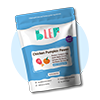
If you are looking for clean, preservative-free treats, BLEP's Chicken Jerky Treats are made with 100% natural ingredients, zero sugar, and zero preservatives. And if you want to give your dog a complete, honest meal, BLEP's gently cooked, human-grade dog food is a good place to start.
You can try a trial pack and let your dog decide.
FAQs
How many training treats can I give my dog in a day?
Treats should not exceed 10% of your dog's total daily calorie intake. For a medium-sized dog eating around 600 calories a day, that means roughly 60 calories from treats. On heavy training days, reduce the meal portion slightly.
Can I use regular dog biscuits as training treats?
You can, but they are not ideal. Most dog biscuits are too large, too crunchy for a fast-paced session, and loaded with starch and fillers that add little nutritional value. Softer, whole-food alternatives like boiled chicken or jerky strips work better.
What foods should I never use as training treats?
Avoid chocolate, grapes, raisins, onions, garlic, macadamia nuts, and anything containing xylitol. All of these are toxic to dogs. If you are unsure about a specific food, check with your vet before offering it.
Are homemade treats better than store-bought ones?
Both can work well. Homemade treats give you complete control over ingredients. Store-bought treats are more convenient. A good treat should have real, recognisable ingredients and no unnecessary additives.
What are the best treats for puppies with sensitive stomachs?
Boiled chicken, plain cooked pumpkin, and boiled sweet potato are gentle on most puppy stomachs. Introduce one new treat at a time and watch for signs like loose stools or excessive scratching. If your puppy reacts to multiple foods, consult your vet.
Should I stop giving treats once my dog is fully trained?
Not necessarily. You can gradually reduce treat frequency and introduce other rewards like praise, play, or a favourite toy. Occasional treats help maintain learned behaviours.
Looking to explore more tips on how to look after your furry friend? Check out our other guides like Can Dogs Eat Apples?, Can Dogs Eat Blueberries?, Dog Food for Weight Loss, Raw v/s cooked meat for dogs, Home Remedies to cure tick fever, Finding Good Dog Food in India, How many times should I feed my dog?, Things you should do to keep your pet healthy, Types of Dog Food, How Prebiotics and Probiotics can improve your dog's digestion, Essential Tips for a New Dog Parent, and others. Each guide is designed to help you make better food and care choices for your dog, to keep them happy, healthy, and thriving.
Resources:
- UC Davis School of Veterinary Medicine: Treats Guidelines for Dogs
- Cornell University College of Veterinary Medicine: Obesity and Weight Loss in Dogs
- Cornell University College of Veterinary Medicine: Re-evaluating Your Dog's Diet
- ASPCA: People Foods to Avoid Feeding Your Pets
- U.S. FDA: Paws Off Xylitol, It's Dangerous for Dogs