







Key Takeaways:
• Choosing the right dog food depends on factors such as ingredient quality, nutritional balance, protein digestibility, label transparency, and the dog’s individual dietary needs.
• High-quality dog food should ideally contain recognisable whole-food ingredients, balanced nutrients, and clearly identified protein sources.
• Protein is considered one of the most important nutrients for dogs because it supports muscle maintenance, growth, metabolism, immunity, and overall body function.
• Healthy fats, fibre-rich carbohydrates, vitamins, minerals, and proper hydration also play important roles in maintaining digestion, immunity, skin health, and energy levels.
• Label transparency matters because vague terms such as “meal,” “by-products,” or “derivatives” may indicate heavily processed ingredients with lower ingredient clarity.
• Dog food should be selected according to the dog’s specific needs, including sensitivities, allergies, weight management goals, activity level, and food preferences.
• Common mistakes pet parents make include relying only on marketing claims, choosing food purely based on price, ignoring ingredient quality, and changing diets too frequently without proper transition.
• Most dogs require around 9–10 days to transition comfortably to a new food through gradual dietary changes.
When you’re choosing your dog’s food, here are the five things that you should check before anything else: quality of ingredients, nutritional balance, source of protein & its digestibility, label transparency, and the individual dietary needs of your dog. Additionally, it is also a good idea to choose fresh dog food that is 100% natural and has zero preservatives, sugar, and fillers. If you keep these factors in mind, you can ensure that your dog gets a high-quality, balanced, nutritious meal that’ll keep them healthy and active in the long term.

Why is choosing the right dog food important?
Your dog’s diet has a major influence on their overall health. The right kind of food can keep their muscles healthy, their bones & joints strong, their digestion smooth, their immunity robust and their skin and coat protected.
Nowadays, there are many brands of dog food in the market. Marketing terms like “premium” or “natural” are thrown around everywhere, especially in India, where pet food regulations are relatively lax. So, merely choosing a dog food that says all these buzzwords is not enough. You have to dig deeper when it comes to the health of your pup.
Here’s a quick summary of the things that you would want in your dog’s food:
1. High-quality, whole-food ingredients, not scraps, leftovers and waste products that are highly processed.
2. Balanced recipes that provide a good amount of protein, essential fatty acids, dietary fibre, vitamins and minerals.
3. Digestible and bioavailable source of protein for optimal body growth and maintenance.
4. Transparent labelling and manufacturing practices so that there are no mystery ingredients in your dog’s bowl.
5. Food suited to your dog’s unique needs, for issues like weight management, dental disease, poor gut health, etc.
In this blog, let us do a deep dive into these factors that determine which dog food will be the best dog food for your pup.

What ingredients should you look for in a good dog food?
Firstly, your dog food should have high-quality, recognisable, and whole-food ingredients. The major portion should be protein, considering that dogs need more than 2.2 grams of protein per kilogram of body weight daily.
Apart from that, you should look for sources of healthy fats, such as fish oil, flaxseed, eggs, etc. The carbohydrates in the food should come from high-fibre, healthy sources, such as sweet potato, pumpkin, etc.
High-quality ingredients have better bioavailability, which is essential for dogs to absorb all the goodness of the ingredients. The mere presence of ingredients is not enough. For example, a dog food made with carrot stubs and another made with whole carrots can both say that they have carrots in the ingredient list. However, the bioavailability of the nutrients that the carrots provide will be different between the two. Therefore, it is vital that you keep this in mind when choosing your dog food.
You should also check whether your dog food has low-value fillers like soy, corn, etc., and artificial colours and flavours. It is best to avoid these as they may cause digestive issues.
What nutrients do dogs need from their food?
The major nutrients that dogs need from their food are protein, essential fats, healthy carbohydrates, vitamins, minerals, and hydration.
Protein: Protein is extremely important for dogs, because it supports almost all bodily functions: it builds and repairs muscles, skin, organs, hair, and connective tissues. Protein also helps in producing enzymes, hormones, and antibodies. For puppies, it is essential for proper growth.
Fats: Fats provide a considerable amount of energy for dogs and are extremely important for the absorption of fat-soluble vitamins like vit A, D, E, and K.
Carbohydrate: Healthy carbohydrates are high in fibre, which helps with healthy bowel movements and feeds the gut microbiome that is crucial for nutrient absorption and immunity.
Vitamins and minerals: Vitamins and minerals are the protective shield for the body. They also help in the production of enzymes, in metabolism, in healthy nerve function, and in nutrient utilisation.
Hydration: 60-70% of dogs’ bodies are made of water, so proper hydration is very important. Hydrating veggies, fresh food, and bone broths are all sources of water for dogs. Feeding BLEP bone broths are a great way to keep your dog hydrated.

What kind of protein should your dog be eating?
A dog’s protein should come from high-quality sources, such as low-fat, high-protein chicken breast; lean pieces of lamb like leg, loin, and tenderloin; paneer, quinoa, etc. Vegetable sources, such as chickpeas, peas, beans, etc. are also good for dogs. BLEP dog food is rich in such high-quality protein that is bioavailable and nutritionally dense.
However, it is best to avoid dog food ingredients like chicken meal, meat derivatives, by-products, etc., because their protein content may be high, but the bioavailability of the protein is low, so no matter if you’re feeding them enough protein, the amount of protein their body is being able to absorb may not be sufficient.
Why is label transparency important when choosing dog food?
Label transparency is one of the most important things to check when you’re buying your dog food. If your labels have complex ingredient names that you can’t understand, that’s definitely a cause for concern. However, sometimes they may also contain words like ‘meal’, ‘by-products’, ‘derivatives’, ‘permitted preservatives’ etc., which are also not great for your dog.
Containing meals, by-products and derivatives suggests that your dog food is ultra-processed, because turning these things into dog food needs rendering and extrusion processes. Therefore, checking what your dog food label says is extremely important.
On the other hand, if your dog food label shows ingredients that you can recognise and trust, like those in all the dog food recipes of BLEP, it indicates that the food has been made with real, whole-food ingredients, and not by-products.

Why does your dog’s individual needs matter when choosing dog food for them?
Now, it’s not only a matter of choosing the best dog food. You also need to consider which dog food is the best for your dog. First, of course, come sensitivities. If your dog is sensitive to gluten, you need to get gluten free dog food. You should also avoid feeding them home-made wheat rotis. Instead, rotis made of ragi, bajra, etc. work better. If they have a chicken allergy, of course chicken dog food wouldn’t do. Therefore, you can try giving them BLEP’s lamb dog food, or even paneer dog food.
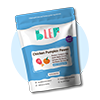
Now, you may also consider their preferences, not only sensitivities. Dogs who eat non-vegetarian dog food are less likely to have vegetarian dog food. Dogs who are fussy usually go for naturally sweet ingredients, such as pumpkin, carrots, sweet potato, etc. You can try out BLEP Chicken Pumpkin Pawer dog food for those picky pups.
A quick checklist for when you’re buying dog food
Ask these questions to yourself before choosing your dog’s food:
✔ Does the dog food list real meat as the first ingredient?
✔ Does it provide balanced nutrition with protein, fats, and fibre?
✔ Are the protein sources clearly identified?
✔ Does the brand provide transparent ingredient information?
✔ Is the food suitable for my dog’s individual needs?
If the answer to these questions is ‘yes’, then you’re good to go!
Common mistakes that pet parents make when choosing dog food
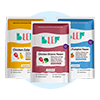
Choosing dog food based only on price: Yes, price is definitely an important consideration when you’re choosing your dog food. However, it shouldn’t be the only consideration. This, of course, goes both ways. Expensive dog food doesn’t automatically mean it’s healthier. And cheap dog food may have ingredients and manufacturing practices that are unable to provide the balanced diet that your pup needs. For example, BLEP Chicken Rice Pawer is our most economical recipe. We actively advise pet parents to mix some home-made boiled veggies, eggs, and/or broth to it. This way, your pup gets the protein from BLEP, the home-made additions make for a more hearty meal, and prices remain low.
Relying solely on popularity and marketing: Some brands of dog food have been around for the longest time, and they have become synonymous with dog food in our minds. But that doesn’t make them healthier than others. Popularity of a dog food shouldn’t be a core reason for buying it, because popularity is driven by a number of things: distribution capacity, marketing, how long they’ve been in the market, brand ambassadors, etc. Ultimately, these things have very little to do with the actual merits of the food.
Ignoring ingredient quality: This is the biggest mistake that pet parents could make when choosing a dog food. Ingredient quality is everything, because that’s what’s ultimately going to nourish your pup. Protein may come from a lot of sources, but protein quality, its form, how it has been cooked, etc., are important factors to consider because bioavailability of that protein, meaning the ability for your pup’s body to absorb the protein and use it, will determine whether it’s meeting your pup’s needs or not. For example, BLEP’s chicken recipes use only chicken breast that has been cooked gently via retorting. This is low in calories, high in protein and has good bioavailability for your dog.
Switching foods too frequently without proper transition: A transition period of 9-10 days and some consistent feeding are important for a dog food to bring positive changes to your dog’s health. Dogs’ digestive systems are sensitive; sudden or frequent diet changes may upset their tummies. New food should be mixed with the current diet for the first few days. Then, little by little, the current diet should be phased out and the proportion of the new food should increase till they’re fully adapted to the new food in 9-10 days. Plus, expecting immediate results is also unrealistic. Give a new type of food at least a couple of months to show its results.

Frequently Asked Questions
What ingredients should you avoid in dog food?
The most important things to check when buying dog food are quality of ingredients, nutritional balance, source of protein & its digestibility, label transparency, and individual dietary needs of your dog. It is also best to avoid dog food with artificial preservatives, additives, and low-quality fillers.
How do you know if your dog food is high quality?
High-quality dog food usually contains real meat as the primary ingredient, balanced with healthy fats, good carbs and sufficient vitamins and minerals.
How can you tell if your dog food is nutritionally balanced?
A fully balanced dog food will have the right proportion of protein, essential fatty acids, fibre, vitamins, and minerals that dogs need for a healthy and active life. This will help in body maintenance, immunity, smooth digestion and an overall better quality of life.
What is the most important ingredient in dog food?
The most important ingredient in your dog’s food is protein. It should be protein-first, because your dog needs about 2.2 grams of protein per kilogram of body weight per day. Plus, it is needed for almost all bodily functions. High-quality chicken, lamb, fish, eggs, paneer, quinoa, etc., are good sources of bioavailable protein,
How long does it take for a dog to adjust to new food?
Most dogs take 9–10 days to fully adjust to a new diet. Start adding small amounts of the new dog food mixed with the current diet. Then, slowly increase the amount of new food and decrease the amount of current diet in the mixture. In 9–10 days, they should be able to switch without tummy issues.
What signs indicate that your dog food suits your dog well?
The major signs of your dog’s food suiting them well are smooth bowel movement, all-day energy, healthy skin and coat, and a steady, healthy weight.
Looking to explore more tips on how to look after your furry friend? Check out our other guides like Can Dogs Eat Apples?, Can Dogs Eat Blueberries?, Dog Food for Weight Loss, Raw v/s cooked meat for dogs, Home Remedies to cure tick fever, Finding Good Dog Food in India, How many times should I feed my dog?, Things you should do to keep your pet healthy, Types of Dog Food, How Prebiotics and Probiotics can improve your dog's digestion, Essential Tips for a New Dog Parent, and others. Each guide is designed to help you make better food and care choices for your dog, to keep them happy, healthy, and thriving.
Resources:
https://truthaboutpetfood.com/wp-content/uploads/2022/05/2004-Congress-Rendering.pdf