









Key Takeaways:
• A dog’s daily calorie requirement is commonly calculated using the formula: 70 × (body weight in kg) ^ 0.75 × activity factor.
• Resting Energy Requirement (RER) represents the calories needed for basic bodily functions, while Maintenance Energy Requirement (MER) includes daily activity and lifestyle needs.
• Calorie needs vary based on factors such as age, neutering status, activity level, growth stage, and obesity risk.
• Overfeeding calories may contribute to obesity, digestive issues, and long-term health complications in dogs.
• High-quality protein, healthy fats, and fibre-rich complex carbohydrates are generally considered healthier calorie sources for dogs compared to excessive simple carbohydrates.
• Puppies and highly-active dogs typically require more calories than adult, neutered, or obesity-prone dogs because of increased energy demands.
• Monitoring portion sizes and adjusting calorie intake according to a dog’s body condition and lifestyle is important for maintaining healthy weight management.
When it comes to your dog’s daily calorie needs, the calculation is 70 × (body weight in kg)^0.75 × activity factor. Let’s take an example of an adult, neutered dog who weighs 25 kg; their daily calorie need then becomes 70 × (25)^0.75 × 1.6, which comes to about 1,250 kcal per day. This formula is the most widely used one for calorie calculation of dogs, and comes from core veterinary sources, such as theMerck Veterinary Manual.
Such calculations are important because an excess of calories may cause weight gain and obesity. Here is a handy chart on the daily calorie ranges for different weight groups.
|
Weight Range (kg) |
Calorie Range (kcal) |
|
1 – 10 |
112 – 630 |
|
11 – 20 |
676 – 1059 |
|
21 – 30 |
1099 – 1436 |
|
31 – 40 |
1471 – 1781 |
|
41 – 50 |
1815 – 2106 |
However, if you want to get a calorie count that is tailored to your pup’s daily needs, you can always use the BLEP Dog Diet Calculator. It’s super easy to use, and only needs a minute to fill out!
While these calculations may look hard, they are actually based on certain basic principles that every pet parent will benefit from knowing. Let’s do a deep dive!

What factors decide the daily calorie count for a dog?
Let us decode the complicated formula that we have just talked about. For a dog’s daily calorie calculation, the two key concepts used are Resting Energy Requirement (RER) and Maintenance Energy Requirement (MER).
Resting Energy Requirement (RER): Resting energy requirement is the amount of energy that a dog needs to maintain basic bodily functions, such as breathing, digestion, and circulation, while at rest. It is the bare minimum calorie need for dogs.
The formula for RER is 70 × (body weight in kg)^0.75.
Maintenance Energy Requirement (MER): Maintenance Energy Requirement is the amount of calories a dog needs to maintain a healthy lifestyle, covering metabolism, digestion, and various activities. This is calculated using RER x activity factor. Activity factors differ according to age, neutering status, and activity level.
Here’s a handy list:
|
Condition |
Activity Factor |
|
Neutered |
1.6 |
|
Intact |
1.8 |
|
Obesity prone |
1.4 |
|
Active |
2.0–5.0 |
|
Puppy (< 4 months) |
3 |
|
Puppy (> 4 months) |
2 |
The Maintenance Energy Requirement is the amount of calories that a dog needs on a daily basis.

How many calories should I feed my neutered dog?
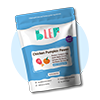
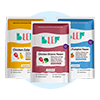
While knowing how many calories you should feed your dog is helpful, what you really need to know, ultimately, is how much food you should be giving your pup. Therefore, it is easier if we take an example, such as a 100 g pack of BLEP Chicken Pumpkin Pawer. This contains about 142 kcal. So, for neutered dogs:
|
Weight Range (kg) |
Packs (100g)/Day |
|
1 – 10 |
1 – 4.5 |
|
11 – 20 |
5 – 7.5 |
|
21 – 30 |
8 – 10 |
|
31 – 40 |
10.5 – 12.5 |
|
41 – 50 |
13 – 15 |

How many calories should I feed my intact dog?
Now, for intact dogs, the MER is 70 × (body weight in kg)^0.75 x 1.8. Therefore, there will be a slight change in how much calorie is required by them every day. Here, let us take the example of a 100 g pack of BLEP Chicken and Rice Pawer. This contains about 166 kcal per 100 g. Therefore, the number of packs you should be giving to your dog are:
|
Weight Range |
Packs (100g)/Day |
|
1 – 10 kg |
0.75 – 4.25 |
|
11 – 20 kg |
4.5 – 7 |
|
21 – 30 kg |
7.5 – 9.75 |
|
31 – 40 kg |
10 – 12 |
|
41 – 50 kg |
12.5 – 14.5 |

How many calories should I feed my obesity-prone dog?
For obesity-prone dogs, the activity factor is 1.4, because they need fewer calories in their diet for weight management. This time, let’s take a look at a 100 g pack of BLEP Chicken Zucchini Pawer, which contains a good amount of fibre that’s beneficial for weight loss. Each pack contains about 144 kcal.
|
Weight Range |
Packs (100g)/Day |
|
1 – 10 kg |
0.5 – 4 packs |
|
11 – 20 kg |
4 – 6.5 packs |
|
21 – 30 kg |
6.5 – 8.5 packs |
|
31 – 40 kg |
9 – 11 packs |
|
41 – 50 kg |
11 – 13 packs |

What kind of calories should I give my dog?
The thing about calories is, unless the body uses it up, it gets stored into fat layers. Over time, these fat layers even start growing on organs, such as the liver, get into the bloodstream, etc. This may cause many medical issues later, the first of which is obesity. Therefore, calories should be very closely monitored, especially for foodie dogs.
The main source of calories should come from high-quality protein, good fats and complex carbohydrates.
-
Protein: Meats like chicken, lamb, fish, etc. provide a good amount of protein. Protein is a source of sustained energy; it fuels stamina, metabolism, muscle repair, etc. Plus, it is required for almost all bodily functions, therefore it is essential in any case.
-
Healthy fats: Fats are not essentially bad. In fact, fatty acids like omega 3 and omega 6 are absolutely essential for growth and maintenance of the body. Fats are also necessary for vitamin absorption, because vitamins A, D, E, and K are fat soluble vitamins. Good sources of fats are eggs, flaxseeds, fish oil, cold-pressed sunflower oil, etc.
-
Complex carbohydrates: The least amount of calories should come from carbohydrates, because calorific carbohydrates can quickly get stored into the body and cause obesity. High-fibre sources like sweet potato, oats, quinoa, pumpkin, etc., are good options for healthy carbohydrates.

Frequently Asked Questions About Dog Calorie Requirements
How many calories should a dog eat per day?
The daily calorie calculation formula for dogs is 70 × (body weight in kg)^0.75 × activity factor. For example, an adult, neutered dog weighing about 25 kg would need about 1,250 kcal daily [70 × (25)^0.75 × 1.6].
What is the difference between RER and MER in dog nutrition?
Resting Energy Requirement (RER) is the minimum amount of calories that a dog needs to do basic functions at rest, such as metabolism, breathing, etc. Maintenance Energy Requirement (MER) is the total number of calories a dog needs daily to maintain a healthy life, which is basic functions plus various activities.
Do puppies need more calories than adult dogs?
Yes. Puppies require more calories than both adult and senior dogs (compared based on body weight) because they’re in the growth and development stage where the body needs a lot of energy.
How do you calculate a dog’s RER and MER?
The Resting Energy Requirement formula for dogs is:
70 × (body weight in kg)^0.75.
Maintenance Energy Requirement (MER) is calculated using:
RER x activity factor.
What type of calories are healthiest for dogs?
The healthiest calories for dogs come from high-quality protein, healthy fats, and high-fibre carbohydrates. Protein gives sustained, slow-release energy without excessive sugar spikes. Healthy fats are also an important source of energy. The least amount of energy should be dependent on carbohydrates because simple carbs get absorbed straight into the bloodstream and an excess may cause weight issues. High-fibre carbs are better energy sources because they get digested slowly and provide sustained energy.
Looking to explore more tips on how to look after your furry friend? Check out our other guides like Can Dogs Eat Apples?, Can Dogs Eat Blueberries?, Dog Food for Weight Loss, Raw v/s cooked meat for dogs, Home Remedies to cure tick fever, Finding Good Dog Food in India, How many times should I feed my dog?, Things you should do to keep your pet healthy, Types of Dog Food, How Prebiotics and Probiotics can improve your dog's digestion, Essential Tips for a New Dog Parent, and others. Each guide is designed to help you make better food and care choices for your dog, to keep them happy, healthy, and thriving.
Resources:
https://www.petmd.com/dog/nutrition/how-many-calories-does-a-dog-need
https://todaysveterinarynurse.com/nutrition/veterinary-nutrition-math/