







Key Takeaways:
-
Research shows regular nosework and sniff walks genuinely improve dogs' emotional states, with a 2019 study finding two weeks of nosework produced more positive cognitive bias than obedience training.
- Senior dogs, trauma survivors, and rescued street-origin dogs carry higher baseline anxiety risk, making it essential to build calming routines well before predictable stressors like fireworks season arrive.
- Comforting a frightened dog does not reinforce fear, as fear is an emotional state rather than a trained behaviour, making calm reassurance safe and often genuinely helpful during stress.
-
Food puzzles and enrichment activities encourage natural foraging behaviour, with a 2022 pilot study finding dogs showed significantly more relaxation and less stress behaviour after enrichment activities.
- Calming supplements support the nervous system's own processes without sedation and work best alongside environmental management and behavioural training, not as standalone replacements for addressing root anxiety causes.
An anxious dog usually needs more than distraction. A safe environment, predictable activities, and help settling their nervous system can all make stressful situations easier, whether the trigger is thunderstorms, fireworks, car rides, visitors, or trouble settling at night.
Signs of anxiety: mild vs when to call a vet
|
Mild stress signs |
Signs needing a vet |
|
Lip licking or yawning out of context |
Destructive behaviour or self-injury |
|
Pinned ears, tucked tail |
Uncontrollable restlessness |
|
Whale eye (whites of the eyes showing) |
Repeated escape attempts |
|
Shrinking away or hiding |
Sudden aggression |
|
Pacing or unsettled behaviour |
Anxiety worsening over time |
Most everyday stress shows the signs on the left and responds well to the activities below. The signs on the right mean it's time to loop in your vet.

Which dogs are more prone to anxiety?
Anxiety can show up in any dog, but a few groups tend to carry a higher baseline risk.
-
Senior dogs are one, particularly as cognitive decline sets in, since a less predictable memory of routines and surroundings can itself become a source of stress.
-
Dogs with a documented history of trauma or neglect are another, their nervous systems have often learned, accurately, that the world can be unsafe, so it takes more consistent, patient work to unlearn that.
-
Rescued and street-origin dogs, including many adopted Indies, frequently fall into this group too, not because of anything inherent to the breed, but because navigating traffic, unpredictable people and scarce resources before adoption tends to leave a lasting mark on how they respond to uncertainty later.
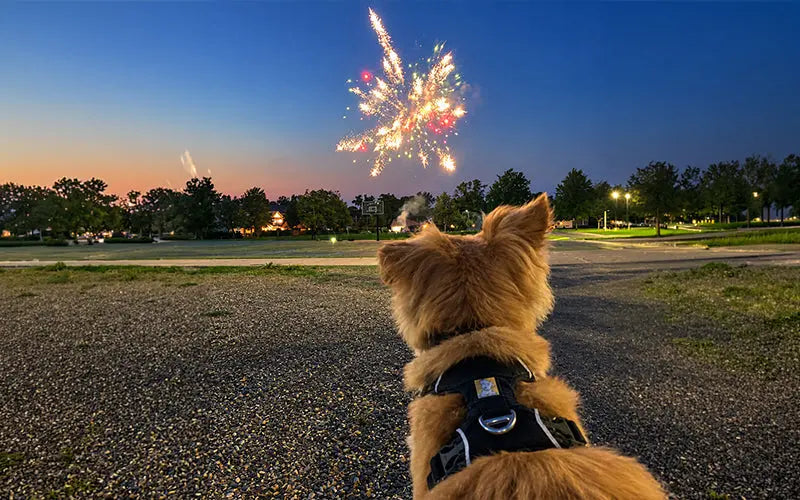
If your dog fits into one of these groups, the activities in this guide are worth building into a regular routine well before a known stressor like fireworks season arrives, not introduced for the first time in the middle of a crisis, when a dog is already overwhelmed and far less able to learn or settle into something new.

7 activities to calm an anxious dog
1. Take them for a slow sniff walk
Letting your dog sniff and explore at their own pace gives mental stimulation without physical demand. A 2019 study in Applied Animal Behaviour Science found dogs given two weeks of regular nosework showed a more positive emotional state on a standard cognitive bias test than dogs given obedience training instead, sniffing genuinely helps dogs process their environment. If your dog is already anxious, keep the route quiet and familiar.
2. Try a simple food puzzle
Hiding food, using a puzzle feeder, or a lickable enrichment activity encourages natural foraging behaviour. A 2022 pilot study in the journal Animals found dogs given enrichment activities showed significantly more relaxation behaviour and less alert and stress behaviour afterward, one of the easier options for restless dogs at home.
3. Give them a safe, quiet space
During predictable stressful situations, such as Diwali, or strangers coming to the house, set up a space with their bed, blanket, favourite toy and water, away from windows and loud noise. Closing curtains and using background noise helps during loud events. Let your dog choose when to use it, never force them in.
4. Practise gentle grooming or massage
If your dog enjoys touch, slow stroking of the shoulders, chest or back can be calming. Watch their body language, if they move away, stiffen or lick their lips, give them space instead.

5. Play a familiar, low-pressure game
A gentle game of tug, a known toy, or simple cues for treats can redirect attention. Keep it relaxed rather than new or highly exciting, the goal is comfort, not tiring them out.
6. Build a calming bedtime routine
Keep the evening predictable: a final bathroom break, dim lights, less noise, their usual sleeping space. White noise or a fan can mask sudden sounds. If nighttime unsettledness is new or worsening, don't assume it's purely behavioural. Pain, illness or age-related changes can affect sleep too, so check with your vet.
7. Consider proactive calming support
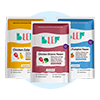
Some dogs need extra support, particularly around predictable triggers like fireworks or crowds. BLEP SUPER Stress Buster is a vet-formulated calming supplement for dogs that supports helps calm anxious dogs without sedating them. It has ingredients like L-theanine, L-tryptophan, B vitamins, magnesium glycinate, calming botanicals, etc., that naturally support the body’s own calming processes. For known stressful situations, give it 60 to 90 minutes beforehand, or use it daily for longer-term stress resilience.
Remember, a calming supplement for dogs is different from a sedative. It helps keep dogs relaxed without making them sleepy or knocking them out.
Quick reference: which activity fits the situation?
|
Activity |
Best for |
|
Sniff walk |
Daily restlessness, general decompression |
|
Food puzzle |
Boredom, home alone anxiety |
|
Safe, quiet space |
Loud events like fireworks or storms, or when meeting strangers |
|
Gentle grooming or massage |
Dogs that seek physical contact when stressed |
|
Familiar, low-pressure game |
Redirecting attention during mild stress |
|
Calming bedtime routine |
Nighttime unsettledness |
|
Calming supplements |
Predictable triggers, stressful events |

Can you calm a dog down instantly?
There's no single technique that works for every dog instantly, it depends on the trigger and severity. In the moment, reduce stimulation, move your dog somewhere safe, stay calm yourself, and offer an activity they already enjoy. Some calming supplements for dogs have a fast-acting effect, like BLEP SUPER Stress Buster, which starts working within 60-80 minutes. Avoid punishment or forcing interaction. For recurring anxiety, the goal is addressing the underlying pattern, not just getting through one episode.
Frequently Asked Questions
What's the fastest way to settle a dog mid-panic?
Move them into their safe space, stay calm since dogs pick up on your energy, and avoid forcing interaction. Save training or new activities for after they've settled.
Is it okay to comfort an anxious dog, or does that reinforce the fear?
Comforting a genuinely frightened dog doesn't reinforce fear, that's a common myth. Fear is an emotional state, not a trained behaviour, so calm reassurance is safe and often helpful.
Can puppies get anxiety, or is it mainly older dogs?
Puppies can develop anxiety too, often from limited early socialisation, and catching it young makes it easier to manage long term.
How long do calming activities take to show results?
Single activities can help within minutes for mild stress. For a real pattern of anxiety, expect weeks of consistent routine before a lasting shift, not just one good evening.
Does breed affect how prone a dog is to anxiety?
Some breeds are more predisposed by temperament, but individual history, socialisation and trauma matter more than breed alone, especially in rescued or street-origin dogs.
Can a calming supplement replace behavioural training?
No. Calming supplements for dogs like BLEP SUPER Stress Buster support the nervous system but work best alongside environmental changes and, for moderate to severe cases, professional guidance.
When should I see a vet about my dog's anxiety?
If it's severe, sudden, causes escape attempts or self-injury, or affects eating, sleeping or everyday behaviour, involve your vet rather than continuing to manage it alone.
Looking to explore more tips on how to look after your furry friend? Check out our other guides like Can Dogs Eat Apples?, Can Dogs Eat Blueberries?, Dog Food for Weight Loss, Raw v/s cooked meat for dogs, Home Remedies to cure tick fever, Finding Good Dog Food in India, How many times should I feed my dog?, Things you should do to keep your pet healthy, Types of Dog Food, How Prebiotics and Probiotics can improve your dog's digestion, Essential Tips for a New Dog Parent, and others. Each guide is designed to help you make better food and care choices for your dog, to keep them happy, healthy, and thriving.
Resources
-
VCA Animal Hospitals. Fears and Phobias in Dogs: Animals and People https://vcahospitals.com/know-your-pet/fears-and-phobias-in-dogs---animals-and-people
-
Cornell University College of Veterinary Medicine. Anxious behavior: How to help your dog cope with unsettling situations. https://www.vet.cornell.edu/departments-centers-and-institutes/riney-canine-health-center/canine-health-topics/anxious-behavior-how-help-your-dog-cope-unsettling-situations
-
Duranton C, Horowitz A. Let Me Sniff! Nosework Induces Positive Judgment Bias in Pet Dogs. Applied Animal Behaviour Science, 2019. https://www.researchgate.net/publication/329447347_Let_me_sniff_Nosework_induces_positive_judgment_bias_in_pet_dogs
-
Hunt RL, Whiteside H, Prankel S. Effects of Environmental Enrichment on Dog Behaviour: Pilot Study. Animals, 2022. https://doi.org/10.3390/ani12020141
-
Perry, P.J. (via Cornell University College of Veterinary Medicine, Riney Canine Health Center). Fearful Dogs: From Fearful to Fearless. https://www.vet.cornell.edu/departments-centers-and-institutes/riney-canine-health-center/canine-health-information/fearful-dogs
-
McLachlan, J. Pet Behaviour Vet. Pet Behaviour Mythbuster #1: It's OK to Comfort a Scared Dog! https://www.petbehaviourvet.com.au/2018/06/pet-behaviour-mythbuster-1-ok-comfort-scared-dog/