






Key Takeaways:
-
Chicken allergy is one of the commonly reported food allergies in dogs, so the suspicion is a reasonable place to start.
- Most itchy dogs do not have a food allergy at all, and a strict elimination trial supervised by a vet is the only reliable way to tell.
- Chicken hides in fat, liver, broth, and treats, which is why most chicken elimination trials fail on the small print rather than the main meal.
-
A trial needs eight to 12 weeks, because skin and coat take a full growth cycle to reflect any diet change.
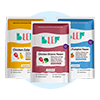
- BLEP has three chicken-free options: Lamb Blueberry, Paneer Quinoa, and a special batch of Fish Beans made without chicken on request.
Your dog has been scratching for months. Someone suggested chicken, and now you are reading ingredient lists at 11pm.
Before you buy anything, two things are worth knowing. Chicken allergy is genuinely one of the commonly reported food allergies in dogs, so the suspicion is reasonable. But most itchy dogs turn out not to have a food allergy at all, and there is only one way to find out which camp your dog is in.
Here is what a food reaction actually looks like, how a chicken allergy gets confirmed, and how to change the bowl properly.
What a food reaction looks like in a dog

Chicken is among the food allergen sources most often reported in dogs with confirmed food reactions, according to a review of 297 cases in BMC Veterinary Research. Signs cluster in two places, and skin dominates:
-
Itching without fleas: Persistent scratching, licking, and chewing, most often around paws, ears, face, armpits, and groin
-
Recurring ear infections: Particularly ones that clear on medication and return soon after
-
Skin changes: Redness, hot spots, hair loss from self-trauma, thickened or darkened patches
-
Digestive signs: Loose stools, more frequent bowel movements, flatulence, occasional vomiting
-
Year-round timing: Environmental allergies often flare seasonally, whereas a food reaction typically does not settle down with a change of weather
That last point is the most useful one at home. A dog that is itchy every month of the year is a better candidate for a food trial than one that flares each monsoon.
The uncomfortable part: most itchy dogs are not food allergic

Environmental allergy, meaning atopic dermatitis, accounts for a far larger share of itchy dogs seen in dermatology practice than food does. Flea allergy accounts for more again.
So the honest sequence is: rule out fleas, discuss atopy with your vet, then consider food.
Two things make that ordering worth respecting. Flea allergy can be ruled out quickly with proper flea control, which costs far less than eight weeks of a restricted diet. And environmental allergy usually flares seasonally, so if your dog's itching tracks the weather rather than the bowl, a chicken elimination trial will use up two months and tell you nothing.
And when you do consider food, there is only one reliable method. The MSD Veterinary Manual is direct about it: a strict dietary elimination trial followed by a deliberate rechallenge is the only reliable way to diagnose a food allergy.
Which also means the blood tests and saliva kits sold for food allergy screening will not settle this. If a test result has you avoiding chicken, that result did not diagnose anything.
For the broader picture on itching, see why your dog is scratching so much, why dogs get food allergies, and the best food for dogs with skin allergies.
Where chicken allergy hides on a label

Most chicken elimination trials fail on the small print rather than the main meal.
-
Chicken appears under other names: Chicken fat, chicken liver, chicken broth, hydrolysed chicken, and "poultry meal" all carry chicken
-
Treats are the usual culprit: Most training treats, many dental chews, and some flavoured medications contain chicken
-
One slip undoes the trial: A perfect chicken-free bowl plus one chicken-flavoured treat a day is not a chicken elimination trial
-
Check the whole cupboard, not just the food bag: Table scraps and anything handed over by visitors count too
If your dog is itchy, our guides on why your dog is scratching so much, why dogs get food allergies, and the best food for dogs with skin allergies cover the wider picture.
How to switch from chicken to chicken-free food
A trial has to be strict to be worth anything:
-
Pick one protein your dog has genuinely not eaten much of: Novelty matters more than the specific animal
-
Feed it and nothing else for eight to 12 weeks: No treats, no table scraps, no flavoured supplements, unless your vet clears them. Tell everyone in the house, because one person slipping a biscuit undoes the whole trial
-
Keep a simple written log: Itch level, ear condition, and stool quality, noted weekly rather than daily
-
Transition over nine days: Mixing gradually, as set out in the feeding guidelines
-
Reintroduce chicken at the end: Ask your vet before you do it. If the signs come back, you have your answer. Improvement alone only suggests a chicken allergy, the return of symptoms is what confirms it
Skin takes time. Three weeks is too early to tell, because a coat needs a full growth cycle before a diet change shows in it. Give it the full eight to 12 weeks.
BLEP's chicken-free recipes

Three options in the range work for a dog with a chicken allergy, and every ingredient is printed in full on the front and the back of the pack as well as on the product page:
Lamb Blueberry: Lamb, lamb liver, blueberries, carrot, spinach, cauliflower, flax seeds, calcium, taurine, and vitamin B12. A single animal protein with no poultry.
Paneer Quinoa: Paneer, quinoa, chickpeas, pumpkin, peas, whey, turmeric, rosemary, moringa, chia seeds, taurine, vitamin A, vitamin D3, vitamin E, and vitamin B12. The vegetarian recipe in the range.
Both sit in the chicken-free collection, and both are available as trial packs through the trial pack range, which is the sensible way to test acceptance before committing to a full trial.
Fish Beans, special batch: The standard Fish Beans recipe is mackerel-based and does contain chicken, so read the list rather than the name. BLEP makes a special batch of Fish Beans without any chicken on request, specifically for dogs with a chicken allergy. Ask for it when you order.
Storage is the same across the range. Sealed packs hold for 12 months without refrigeration. Once opened, refrigerate and serve within 48 hours.
Read the full list before you commit
A recipe name tells you what is in a food. It does not tell you everything that is in it.
For a chicken allergy, the list is what matters: check for chicken fat, chicken liver, chicken broth, and poultry meal, then check the treats cupboard for the same, because that is usually where a careful switch quietly comes undone.
BLEP prints the complete ingredient list on the front and the back of every pack, so you can read it before you buy rather than after.
If you want help picking a starting protein for your dog, get in touch with us over WhatsApp and our pet nutritionist will talk it through with you.
Frequently Asked Questions
How do I know if it is a chicken allergy specifically?
Only by removing chicken and then reintroducing it. Taking chicken out and seeing improvement is a hint, not proof, because something else may have left the bowl at the same time. Putting chicken back, with your vet's guidance, is what confirms a chicken allergy.
How long before I see a difference?
Allow eight to 12 weeks. Skin and coat lag behind dietary change, and a trial abandoned at week three has not been run.
Are grain-free foods better for allergic dogs?
Not necessarily. Wheat features in the reported allergen list, but proteins account for most confirmed reactions. Grain-free tells you nothing about the protein.
Can my dog develop a chicken allergy after years of eating it?
Yes. Sensitisation generally requires prior exposure, which is part of why the most commonly fed proteins are the most commonly reported allergens.
Can I just use chicken-free food without doing a trial?
You can, and some dogs improve on it. Without the trial you will not know whether chicken was the cause, which matters later when you want to choose treats, a second recipe, or a food while travelling.
Should my vet be involved?
Yes, particularly before starting an elimination trial. Restricted diets run for weeks need to stay nutritionally adequate, and a vet can also rule out the causes of itching that have nothing to do with food.
Resources
-
Mueller, Olivry and Prélaud, Critically appraised topic on adverse food reactions of companion animals (2): common food allergen sources in dogs and cats, BMC Veterinary Research, 2016: chicken among the commonly reported allergen sources across 297 dogs
-
MSD Veterinary Manual, Cutaneous Food Allergy in Animals: elimination trial and rechallenge as the only reliable diagnostic method
Looking to explore more tips on how to look after your furry friend? Check out our other guides like Can Dogs Eat Apples?, Can Dogs Eat Blueberries?, Dog Food for Weight Loss, Raw v/s cooked meat for dogs, Home Remedies to cure tick fever, Finding Good Dog Food in India, How many times should I feed my dog?, Things you should do to keep your pet healthy, Types of Dog Food, How Prebiotics and Probiotics can improve your dog's digestion, Essential Tips for a New Dog Parent, and others. Each guide is designed to help you make better food and care choices for your dog, to keep them happy, healthy, and thriving.