






Key Takeaways:
-
Refrigerate open wet dog food at 4°C or below. Most manufacturers recommend using it within 72 hours, or sooner if the pack says so. Always follow the brand's instructions.
-
Keep dry food in its original bag, below 27°C. In many Indian homes, summer kitchens run hotter than that.
-
Don't leave wet or fresh food in the bowl for more than two hours, or one hour on hot days.
-
Retort-packed food stays shelf-stable without preservatives until the seal is broken.
-
Once opened, BLEP dog food goes in the fridge and should be used within 48 hours.
Why dog food storage after opening matters
Once a pack is open, air, heat, moisture and bacteria start working on the food. Fats turn rancid, vitamins break down, damp dry food can grow mould, and wet food can grow bacteria such as Salmonella, which can make both dogs and people ill. Indian summers and monsoon humidity speed all of this up, so storage matters even more here.

How long each type of dog food lasts after opening
|
Food type |
Unopened |
After opening |
Where to keep it |
|
Dry dog food |
Until the best-by date |
About 6 weeks, bag sealed |
Cool, dry cupboard below 27°C |
|
Wet, canned or pouched |
Until the best-by date |
Up to 72 hours |
Fridge at 4°C or below, covered |
|
Freshly cooked meals |
- |
Usually 2 to 3 days |
Fridge |
|
Frozen |
Per the pack |
Thaw in the fridge, don't refreeze |
Freezer, then fridge |
|
Retort-packed natural dog food, such as BLEP |
Up to 12 months |
Within 48 hours |
Cupboard, then fridge once opened |
The pack's own instructions always come first. Tufts vets note that times vary by product, and foods high in fish oil usually go off sooner.
How to store different types of dog food?
1. Dry dog food
If you're wondering how to store dry dog food, the biggest things to protect it from are air, heat and moisture. Otherwise, the preservatives in the food take care of the shelf life. The US FDA advises keeping dry pet food in its original bag, with the top tightly folded, somewhere cool and dry below 27°C.
Once you open a bag:
-
Keep the food in its original packaging and fold or seal the top tightly.
-
Place the entire bag inside a clean, airtight storage container if you want extra protection.
-
Store it in a cool, dry cupboard, away from sunlight and heat sources.
-
Use a clean, dry scoop instead of dipping your dog's bowl into the bag.
-
Wash and completely dry the storage container before adding a fresh bag.
Avoid storing dry food directly on the floor, near a sink or in a damp utility area.
2. Wet dog food
How long does wet dog food last after opening? It depends on the manufacturer's instructions. However, according to Tufts, opened canned food should be thrown out after 72 hours, even if refrigerated.
Once you open a can, tray or pouch:
-
Transfer unused food to a clean, airtight container if the original packaging cannot be securely resealed.
-
Refrigerate it promptly at 4°C or below.
-
Label the container with the opening date.
-
Use it within the recommended time.
-
Don't mix freshly opened food with older leftovers.
If the food smells unusual or has changed colour or texture, discard it.
3. Fresh dog food
How long does fresh dog food last in the fridge? Freshly cooked meals are generally more perishable than dry food, so refrigeration is essential.
As a general guide, some refrigerated fresh meals are intended to be used within 2–3 days after opening, depending on the ingredients.
The rule of thumb? Judge by your own meals. Will you eat food that has been sitting in your fridge longer than 3 days? If not, discard it.

4. Frozen dog food
Frozen meals should stay frozen until you're ready to use them. Thaw only the portion you need, ideally in the refrigerator.
Never assume that thawed food can be refrozen. Follow the brand's instructions, and discard food that has been left at unsafe temperatures.
5. Retort-packed natural dog food
Retort-packed natural dog food is cooked and sterilised inside sealed, heat-resistant pouches using steam and pressure. This makes it shelf-stable without refrigeration or chemical preservatives, as long as the pack remains unopened. Once opened, refrigerate promptly and follow the manufacturer's instructions for use. General recommendation is that you feed refrigerated leftovers within 48 hours.

How long can wet dog food sit out?
No more than two hours at room temperature, and no more than one hour when it's above 32°C. This follows the standard food safety rule for perishable human food, and it applies to wet, fresh and retort-packed food once it's in the bowl.
-
Serve only what your dog usually finishes.
-
Throw away leftovers in the bowl. Never put them back in the pack or fridge.
-
Wash the bowl with soap and hot water after every meal, as the FDA recommends.
How to store dog food in humid weather?
Monsoon air gets into everything. To keep food safe:
-
Dry dog food: Keep sealed in its original bag, inside an airtight container.
-
Wet and fresh dog food: Refrigerate promptly after opening and use within the recommended period.
-
Retort-packed dog food: Store unopened packs in a cool, dry place. Refrigerate leftovers after opening.
-
Frozen dog food: Keep frozen until needed and thaw portions in the refrigerator.
-
All food types: Keep away from sunlight, heat and moisture. Always use clean, dry scoops and containers.
Discard food showing mould, unusual smells or changes in texture.
How shelf life works: preservation methods
|
Method |
How it keeps food safe |
Used for |
|
Drying and extrusion |
Low moisture stops most microbes, and added antioxidants & preservatives slow fats going rancid |
Dry dog food |
|
Retort processing |
Food is sealed, then cooked and sterilised in the pack under steam and pressure |
Shelf-stable pouches |
|
Refrigeration |
Cold slows bacteria but doesn't stop them |
Fresh food |
|
Freezing |
Very low temperatures pause microbial growth |
Frozen food |
A long shelf life doesn't always mean more preservatives. With retort processing, the sealed, sterile pack does the work.

How to store BLEP dog food?
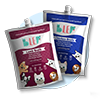
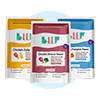
BLEP natural dog food uses retort packaging and no preservatives. Raw ingredients are sealed into heat-resistant pouches, then cooked and sterilised inside them with steam and pressure, much like a pressure cooker. Outside air and bacteria can't reach the food while the seal is intact.
|
Pack |
Storage |
Use within |
|
Sealed |
Cool, dry cupboard, out of direct sun, no fridge needed |
12 months |
|
Opened |
Fridge, in a covered container |
48 hours |
Once the seal is broken, treat it like freshly cooked food. Want meals that stay shelf-stable without preservatives? Try BLEP natural dog food.
Signs any dog food has gone bad: mould, a sour or rancid smell, discolouration, dampness in dry food, or a swollen or leaking pack. Throw it out, and don't rely on your dog to judge.

Frequently Asked Questions
Can I leave wet dog food out overnight?
No. Throw out wet or fresh food that has been in the bowl for more than two hours.
Can I refrigerate dog food in its original pouch?
Only if the pouch reseals tightly. Otherwise, move leftovers to a clean, airtight container.
Can I freeze leftover wet dog food?
Some brands allow it, so check the pack. Freeze single portions and thaw them in the fridge.
Is dry dog food safe after its best-by date?
Don't take the risk. Fats and vitamins break down over time, even in a sealed bag.
Why won't my dog eat food straight from the fridge?
Cold food smells weaker. Let it sit for 15 to 20 minutes, or stir in a little warm water.
Looking to explore more tips on how to look after your furry friend? Check out our other guides like Can Dogs Eat Apples?, Can Dogs Eat Blueberries?, Dog Food for Weight Loss, Raw v/s cooked meat for dogs, Home Remedies to cure tick fever, Finding Good Dog Food in India, How many times should I feed my dog?, Things you should do to keep your pet healthy, Types of Dog Food, How Prebiotics and Probiotics can improve your dog's digestion, Essential Tips for a New Dog Parent, and others. Each guide is designed to help you make better food and care choices for your dog, to keep them happy, healthy, and thriving.
Resources
-
US Food and Drug Administration (FDA). Tips for Safe Handling of Pet Food and Treats. https://www.fda.gov/animal-veterinary/animal-health-literacy/tips-safe-handling-pet-food-and-treats
-
Tufts University Cummings School of Veterinary Medicine, Petfoodology. The Scoop on Storing Pet Food. https://sites.tufts.edu/petfoodology/2020/10/26/the-scoop-on-storing-pet-food/
-
Tufts University Cummings School of Veterinary Medicine, Petfoodology. Out of Options? What to Do If Your Pet's Food Is Out of Stock. https://sites.tufts.edu/petfoodology/2021/05/03/out-of-options-what-to-do-if-your-pets-food-is-out-of-stock/
-
American Veterinary Medical Association (AVMA). Safe Handling of Pet Food and Pet Treats. https://www.avma.org/resources-tools/pet-owners/petcare/safe-handling-pet-food-and-pet-treats