







Key Takeaways:
-
The best dog food prioritises natural, minimally-processed, wholefood ingredients, as gentle cooking retains nutrients and improves digestibility and absorption in dogs.
-
Dogs require balanced macronutrients and micronutrients, with AAFCO recommending minimum 18% protein and 5% fat for adult dogs on a dry matter basis.
-
Good dog food must be human-grade, preservative-free, sugar-free, and contain zero fillers, ensuring quality ingredients without harmful additives or unnecessary bulking agents.
-
Essential fatty acids omega-3 and omega-6 are critical for dogs' energy, skin health, coat condition, nutrient absorption, brain function, and fighting inflammation.
-
Quality nutrition alone is insufficient; dogs also need daily exercise, adequate sleep, socialisation, mental stimulation, and consistent hygiene practices to truly thrive.
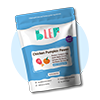
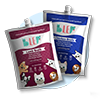
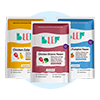
- BLEP dog food offers human-grade, 100% natural ingredients, gentle cooking, zero fillers or preservatives, superior nutrition, better digestion, and convenient shelf-stable packaging.
Choosing the best dog food in India is not about brands, popularity, or offers. What it all comes down to is what goes into your pup’s bowl. Natural, wholefood ingredients have high nutritional value. When these ingredients are gently cooked, they retain most of their nutrients. Minimal processing also helps dogs digest the food better, and better digestion means that more of these nutrients are passed onto your dog, helping them grow and thrive.
Therefore, both the origin and the processing of the ingredients become important. So, dog food that is made with only natural, wholefood ingredients and cooked at temperatures that don’t take away all its nutritional value is what makes the best dog food in India.

What are the components of the best dog food in India?
The best dog food in India must be balanced well so that your dogs get all the essential nutrients that they need, both macronutrients and micronutrients. The Association of American Feed Control Officials, or AAFCO, the non-profit organisation that sets the voluntary standards for animal feed and pet food in the U.S. (and forms a good basis for formulation standards for pet food), has clear indicators on what a ‘balanced meal’ for dogs is. Here are the components that it recommends:
Protein
Protein helps in the building and maintenance of almost all bodily systems: it makes up, maintains, and protects muscle tissue, bones and cartilage, nerves, coat hair, nails, skin, and more. It is very important for the proper functioning of hormones, immunity, and the circulatory system as well. AAFCO states that minimum crude protein in a dog’s diet should be 22.5% at the growth and reproduction stage and 18% for adult maintenance, based on dry matter basis. Some good sources of protein for dogs are chicken breast, lean lamb meat, eggs, chickpeas, paneer, quinoa, etc.
Fats
Fats are the major source of energy for dogs, but, apart from that, they are also essential for healthy skin and coat, nutrient absorption (Vitamins A, D, E, K), brain health, immunity and insulation against the elements. Dogs especially need the essential fatty acids omega-3 and omega-6 for proper bodily functioning. One of the most important uses for EFA in the body is fighting inflammation. AAFCO states that minimum crude fat in a dog’s diet should be 8.5% at the growth and reproduction stage and 5% for adult maintenance, based on dry matter basis. Give your pup healthy fats like fish oil, fatty fish, cold-pressed sunflower oil, eggs, flaxseeds, chia seeds, etc.
Dietary fibre/carbs
Carbohydrates are not nutritionally essentially required by dogs; however, they do form a source of energy. Dietary fibre, on the other hand, is good for digestion, nutrient absorption, a healthy gut microbiome, and smooth bowel movement. Soluble fibre softens stool and helps good gut bacteria thrive, while insoluble fibre bulks up the faeces and keeps glucose spikes low. Crude fibre may consist of about 4% of a dog’s diet. Some healthy sources of dietary fibre are pumpkin, sweet potatoes, green beans, flaxseeds and others.
Vitamins
Vitamins, of course, form the major protective shield for dogs. The essential vitamins that dogs need are Vitamin A, B vitamins (biotin, folate, niacin, pantothenic acid, riboflavin, thiamine, vitamin B-6, and vitamin B-12), Vitamin C, Vitamin D, Vitamin E, Vitamin K and Choline. From proper vision to metabolism to immunity, from absorption of nutrients to formation of bodily components, vitamins play a crucial role in keeping the body functional. Ingredients like liver, fish, eggs, leafy greens, etc. are great sources of vitamins.
Minerals
Again, minerals are micronutrients that dogs cannot function without. Some essential macro-minerals are Calcium, Phosphorus, Magnesium, Potassium, and Sodium. Trace minerals include Iron, Copper, Zinc, Manganese, Selenium, and Iodine. From teeth and bones to cells, enzymes, blood oxygen, nerves, immunity and more, minerals are an essential part of a dog’s diet. Add fish, beans, organ meats, flaxseeds, blueberries, yoghourt, etc., to your pup’s meals for essential minerals.
Water
Although water is not a meal component in the traditional way, it is an essential part of a balanced meal. It regulates body temperature, breaks down food to extract the nutrients, provides structure to the body, helps in circulation of all nutrients, keeps joints working, shapes the eyes, protects the nervous system, etc. In fact, about 60% to 70% of dogs’ total weight is water, so they need a constant and fresh source of water. A part of this water may also come from moisture in wet food and bone broths.

What should you look out for in the best dog food in India?
100% natural: Dog food that contains 100% natural ingredients is always better for dogs because of the bioavailability of nutrients. All nutrients needed for a healthy body are available through natural ingredients: Chicken and paneer are great sources of protein; fish and fish oil give essential fatty acids; veggies like broccoli, pumpkin, etc., are sources of dietary fibre; and ingredients like leafy veggies, eggs, liver, etc., are great sources of vitamins and minerals.
Human-grade: When a dog food is human-grade, it is an assurance of quality and safety. This means that the food is safe and high-quality enough for even human consumption. So human-grade dog food will be made with the kind of meats and veggies that are easily available and that humans eat on a regular basis. Vegetable scraps, byproducts, and meats leftover after human consumption are generally not added to such dog food.
Zero preservatives: Preservatives are not good for human health, and the same is true for dogs as well. Some preservatives are thought to cause sensitivities, inflammation, and associated health issues. Therefore, it is best to steer clear of preservative-laden food, because your pup will be exposed to it with every single meal. Over time, the body may react very negatively to preservatives.
Zero sugar: Sugar gets freely absorbed into the bloodstream, and the excess glucose from it is stored in the fat tissue of dogs. Over time, if this excess is not used up sufficiently for energy production, it starts causing weight gain. An overweight or obese dog may run into a myriad of health problems, such as bone and joint issues, diabetes, heart problems, respiratory issues, etc. So zero-sugar food is a way of keeping your dog’s weight in check.
Zero fillers/bulking agents: Adding fillers or bulking agents is a way to increase the weight of the food without actually increasing the amount of necessary ingredients. This is a highly controversial manufacturing practice for cost reduction that may cause nutritional dilution, leading dogs to have to eat a larger portion of the food than necessary to get the required amount of nutrients. Corn, wheat, soy, etc., are often used as bulking agents. They are also harder to digest.
Why choose BLEP dog food for your dog?
BLEP dog food is made with 100% natural and human-grade ingredients, the same quality of meats and vegetables that you would find on your own plate. Every recipe is crafted with high-quality meat like chicken, lamb, fatty fish; locally-sourced vegetables, superfoods like flaxseeds; and cold-pressed oils, ensuring that your dog gets the full nutritional benefit of real, wholesome food. Because the ingredients are human-grade, you can be confident that there are no vegetable scraps, meat by-products, or low-quality fillers making their way into your dog's bowl.
What sets BLEP dog food apart is its commitment to gentle cooking and minimal processing. This approach preserves the natural nutrients in every ingredient, so the proteins, essential fatty acids, vitamins, and minerals that your dog needs are retained and become more bioavailable to dogs.
BLEP also has zero preservatives, fillers, bulking agents, and added sugar or starch: all the things that inflate a product's weight without adding any nutritional value. This means better digestion, healthier weight management, and a diet that genuinely supports your dog's long-term growth and wellbeing. Even though it is a zero preservative dog food, sealed packets of BLEP come with a 12-month shelf life due to retort packaging. They don’t even need to be refrigerated; you can store them in a cupboard or pantry. However, once the packs are opened, leftovers must be put in the fridge and served within 48 hours.

Is feeding your pup the best dog food in India enough?
Feeding your dog the best dog food in India will not be enough for them to grow and thrive unless you support that with other good practices, such as a sufficient amount of exercise, socialisation, rest, mental stimulation, and good hygiene practices.
Dogs need anywhere from 30 minutes to 2 hours of physical exercise daily, depending on their size and activity levels. They also do well mixing with other dogs and humans. It keeps them attuned to social training and good behaviour. Dogs also need a good amount of rest, which can range between 12 and 18 hours of sleep every day based on age and breed. Puppies may sleep even 20 hours per day. Apart from physical activity, mental stimulus is also required for dogs’ cognitive functions. Mental stimulation keeps them sharp and helps them retain the knowledge they gain in training. As for hygiene, that is always important to keep your pup healthy and happy because dirty, matted fur, unclean teeth, overgrown nails, etc., cause irritation and distress in dogs after a point.

Looking to explore more tips on how to look after your furry friend? Check out our other guides like Can Dogs Eat Apples?, Can Dogs Eat Blueberries?, Dog Food for Weight Loss, Raw v/s cooked meat for dogs, Home Remedies to cure tick fever, Finding Good Dog Food in India, How many times should I feed my dog?, Things you should do to keep your pet healthy, Types of Dog Food, How Prebiotics and Probiotics can improve your dog's digestion, Essential Tips for a New Dog Parent, and others. Each guide is designed to help you make better food and care choices for your dog, to keep them happy, healthy, and thriving.
Resources:
https://pmc.ncbi.nlm.nih.gov/articles/PMC9782517/
https://www.petmd.com/dog/nutrition/evr_dg_whats_in_a_balanced_dog_food