






Key Takeaways:
-
Poodles are highly intelligent, active dogs existing in four size varieties, originally bred as water retrievers before becoming popular circus and companion animals.
-
Poodles are prone to serious health conditions including Addison's disease, bloat, heart defects, hip dysplasia, and skin allergies requiring attentive daily monitoring.
-
High-quality protein is essential for Poodles, supporting muscle development, hormone production, joint protection, and maintaining their famously dense, curly coats.
-
Omega-3 and omega-6 fatty acids from fish, eggs, and flaxseeds are especially critical for Poodles given their particular predisposition towards skin and coat problems.
-
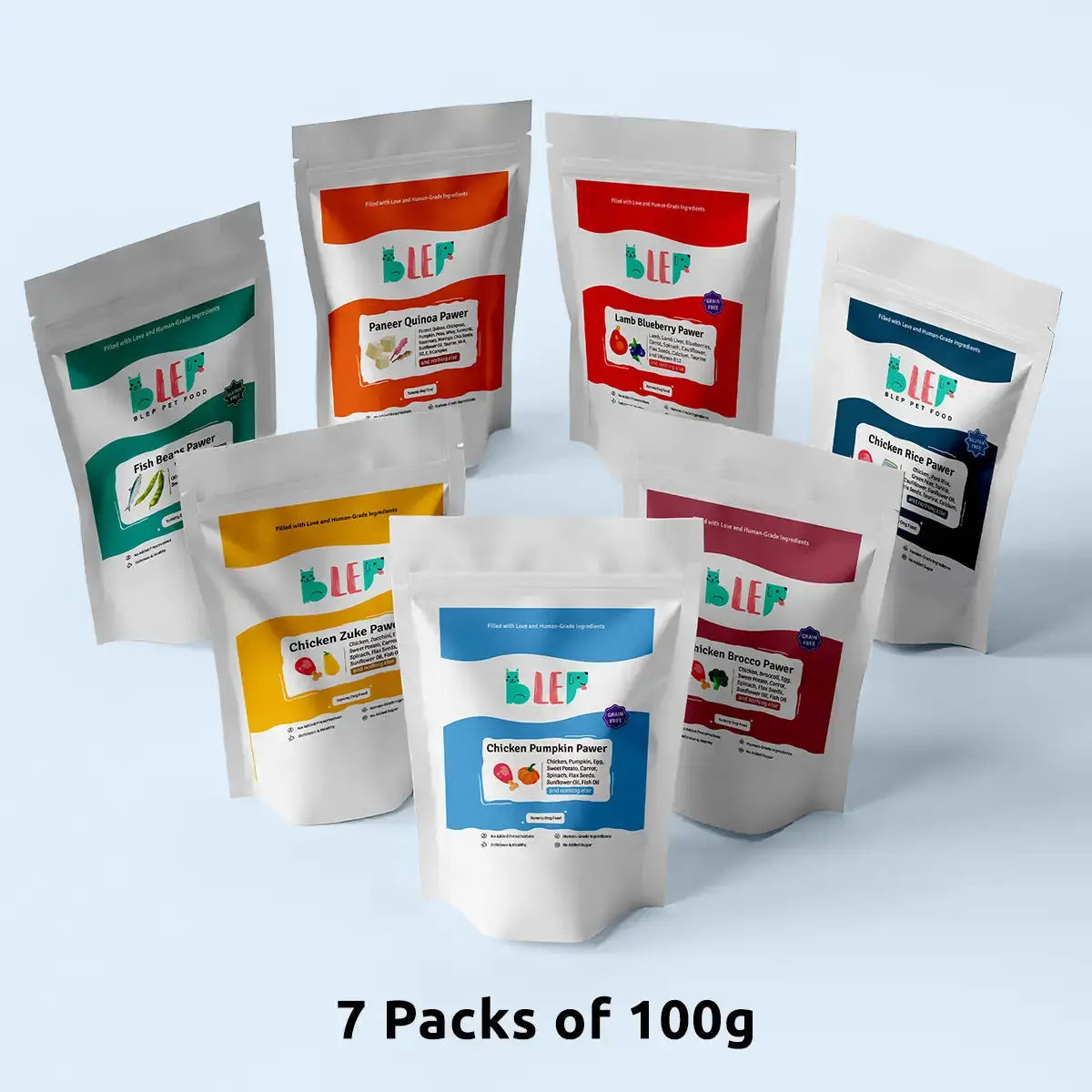
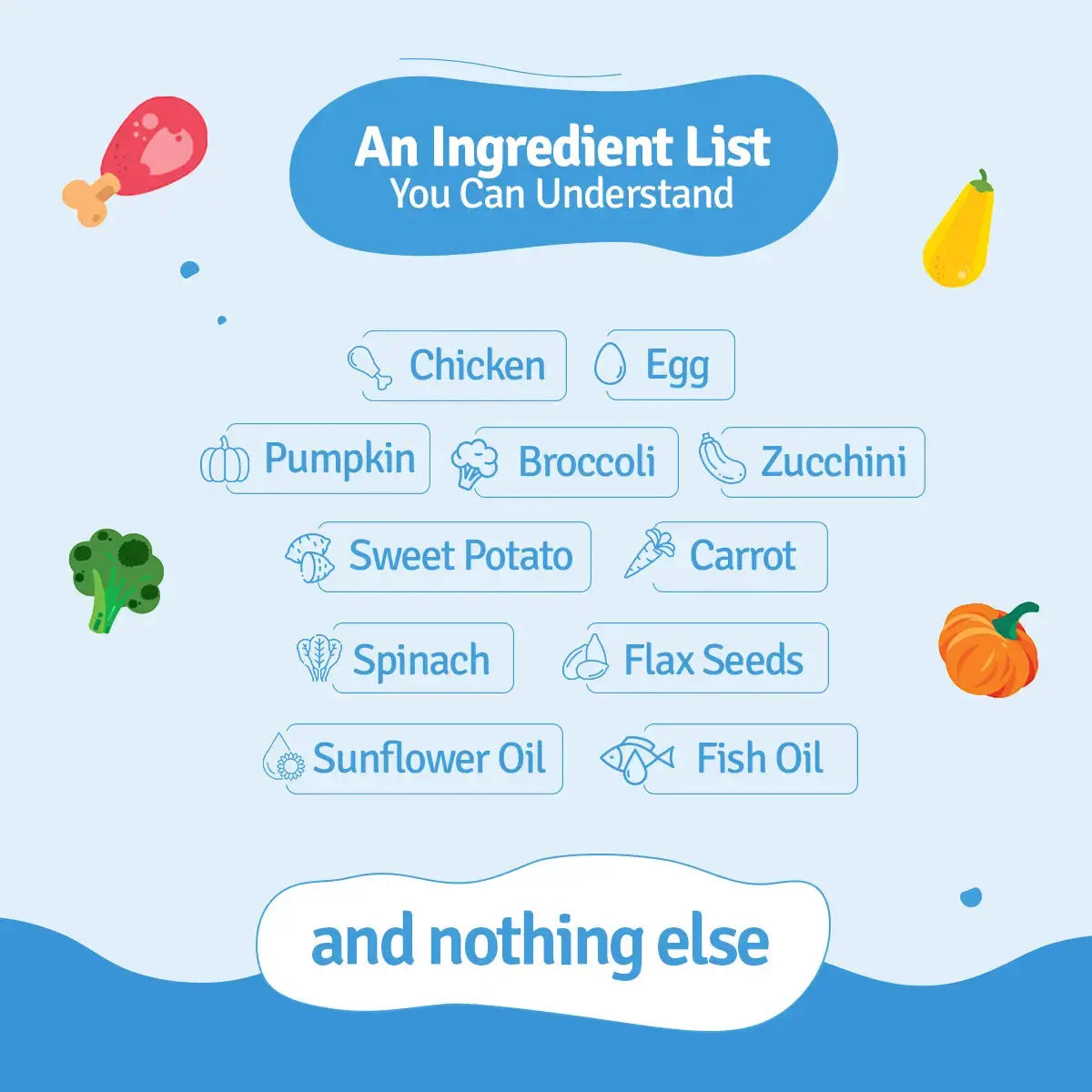
Natural, human-grade, preservative-free dog food ensures Poodles receive nutritionally balanced meals free from artificial additives, low-quality byproducts, and harmful preservatives.
Poodles are one of the most visually iconic dog breeds in the world, with their tufts of curly hair styled in a variety of complicated arrangements: the Continental Clip (with shaved areas on the face, feet, tail base, and belly, and sculpted puffs of hair on the chest, hips, legs (bracelets), and tail tip), the Sporting Clip (closely shaved face, feet, throat, and tail base, with a short, soft blanket on the body and slightly longer, sculpted cuffs/poms on the legs and a fluffy tail pom), etc.
In fact, there are also four different size varieties of Poodles, which are the Standard Poodle, Miniature Poodle, Toy Poodle, and the less recognised Medium Poodle. Since the mid-20th century, Poodles have been very popular in dog shows, and between 1960 and 1982, they were also the American Kennel Club’s most registered dog breed. But, despite their beauty and grace, what’s truly remarkable about Poodles is their ability to learn and adapt. Poodles are extremely clever, have great memory, and are highly active, eager dogs.
The history of the Poodle breed
The Poodle type of dog has been around at least since the 17th century. However, its origin is a topic of some dispute. Most cynologists say that the Poodle is of German origin and has been around since the Middle Ages in Germany. They were the water dogs of Germany, with the German name ‘Pudel’ coming from the Low German word ‘puddeln’, which means ‘to splash’. On the other hand, some cynologists say that the Poodle is French-born (called ‘Caniche’ in French) and is descended from the French breed of water dogs called the Barbet. Some also suggest Russia, Piedmont or Northwest Africa as their origin areas.
No matter this debate, Poodles were used by waterfowlers to bring shot game or lost arrows from water. These larger Poodles are the Standard Poodles of today. They were also used in circus performances, especially in France, for their incredible ability to learn tricks. Poodles would walk tightropes, act out scenes and even perform magic tricks! These French circuses then started selective breeding of Poodles to make them smaller, eventually creating the Miniature Poodle. This was done so that it was easier to transport them around as part of the circus.
In the early 20th century, breeders started selectively breeding Poodles again to shrink their size even further. This time, they wanted to make a compact companion dog; that’s how the Toy Poodles were created. Some breeders tried to make an even smaller variety called the Teacup Poodle, but unmanageable genetic abnormalities stopped those efforts. A relatively less-accepted size variant of the Poodle is the Medium Poodle, which is recognised by the Fédération Cynologique Internationale and most Continental European kennel clubs.
Poodles were recognised by the Kennel Club of the United Kingdom in 1874 and by the American Kennel Club (AKC) in 1886. They were highly popular from the 60s to the 80s, but after that their popularity dipped slightly. As of 2012, they’re the third-most popular FCI-registered breed worldwide.

Common health problems of Poodles
Addison’s (Hypoadrenocorticism) Disease
Addison’s disease is a disorder of the adrenal glands, characterised by insufficient production of adrenal hormones. Symptoms have a wide range, from subtle sluggishness to absolute collapse. Now, Hypoadrenocorticism may be of two types: primary adrenocorticism and secondary adrenocorticism. In primary adrenocorticism, the salt/potassium balance of the body is disrupted; glucocorticoids are affected as well. In secondary adrenocorticism, usually only glucocorticoids are affected. Standard Poodles are most susceptible to Addison’s disease.
Bloat
Poodles are deep-chested breeds who are more susceptible to a condition called bloat or gastric dilatation. In bloat, gas and/or food increases the size of the stomach. This stomach then tends to get twisted and cuts off the blood supply to the stomach as well as a route for the gas or food to go out. This causes immense abdominal pain and may be fatal if not addressed quickly. Some symptoms of bloat are laboured breathing, excessive salivation, or a distended abdomen.
Heart disease
Recently, Standard Poodles have been shown to be at increased risk of a rare congenital heart malformation called canine atrial septal defect (ASD). It is characterised by a hole between the upper chambers of the heart. If the hole is small, dogs may not show any symptoms at all. Otherwise, coughing, trouble breathing, fainting, exercise intolerance, etc., are some signs of the disease. Dogs will need surgery to repair the hole. In Poodles, ASD is seen to run in families, giving it a genetic component.
Hip dysplasia
Some studies have shown that around 11.9% of Poodles suffer from hip dysplasia. Hip dysplasia occurs when the head of the femur does not properly align with the cup of the hip socket. This may be due to a malformation or a misalignment. This causes the bones to grind against each other, and a lot of the cartilage is lost. In later life, this can cause joint inflammation, arthritis, and a lot of pain. Common symptoms include swaying from side to side, limping, clicking or popping sounds when walking, etc.
Skin Conditions
Having a dense, curly coat like Poodles may cause a lot of skin issues, such as allergies, rashes, and hot spots. There is usually some excessive scratching, skin irritation, flaky skin, bumps, odour from the body, and hair loss. Allergies that affect the skin may be caused by a number of conditions: hypothyroidism, Cushing’s Disease, Flank Alopecia, etc. Check their skin daily for bumps and rashes, as well as fleas and ticks that love to hang out in the dense coat of breeds like Poodles and cause skin issues.

What are the nutritional needs of Poodles?
Good quality protein: A high-protein diet is crucial for Poodles because protein has a role to play in almost every bodily function. Protein helps in healthy hormone production, protects bones and joints, helps maintain fur and coat, and, of course, builds muscles and nerve systems. Lean meats, lentils, paneer, etc., are good sources of protein for dogs.
Essential fats: Fats are the major energy sources, so a diet rich in essential fatty acids is very important for a compact but active breed like Poodles. Plus, omega-3 and omega-6 fatty acids are very important for healthy skin and coat, which is a problem area for Poodles anyway. Fish oil, fatty fish, eggs, seeds like chia seeds, flaxseeds, etc., can provide the fatty acids that dogs need.
Dietary fibre: Dietary fibre helps in bowel movement, digestion, and absorption of nutrients into the blood. As a breed with digestive issues like bloat, a smooth bowel movement is very important. Ingredients such as pumpkin, carrot, sweet potato, quinoa, oats, etc., provide adequate dietary fibre while also adding essential vitamins and minerals to the diet.
Vitamins & minerals: Micronutrients like vitamins and minerals are a necessary part of a dog’s diet. B-vitamins are essential for a high-energy and sharp breed like Poodles, vitamins D and K help with healthy bones and joints, vitamin E protects skin and coat, and vitamin C reduces inflammation. On the other hand, minerals like calcium, phosphorus, iron, zinc, etc., are also crucial for a healthy body.
Water: Water usually doesn’t get the dietary importance that it deserves, even when about 60-70% of a dog’s body is water. Water is essential for the smooth functioning of all the systems, such as the circulation of blood, hormones, nutrients, etc. It also helps in digestion. Keeping your Poodle pup hydrated is very important, so make sure they get enough fresh water every day. Some hydration may also be provided by wet food and bone broths.
How to keep your Poodle’s coat healthy?
Poodles have a fluffy coat with dense, curly, low-shedding hair. This hair grows very long and easily gets matted, so proper grooming is very important, usually every four to eight weeks. Some consider Poodles a hypoallergenic dog breed because the loose hair usually gets trapped in the curls, and less of it is released into the air. This is even more reason why regular checking and grooming of Poodles’ coats are necessary, in case dirt and debris get stuck in them.
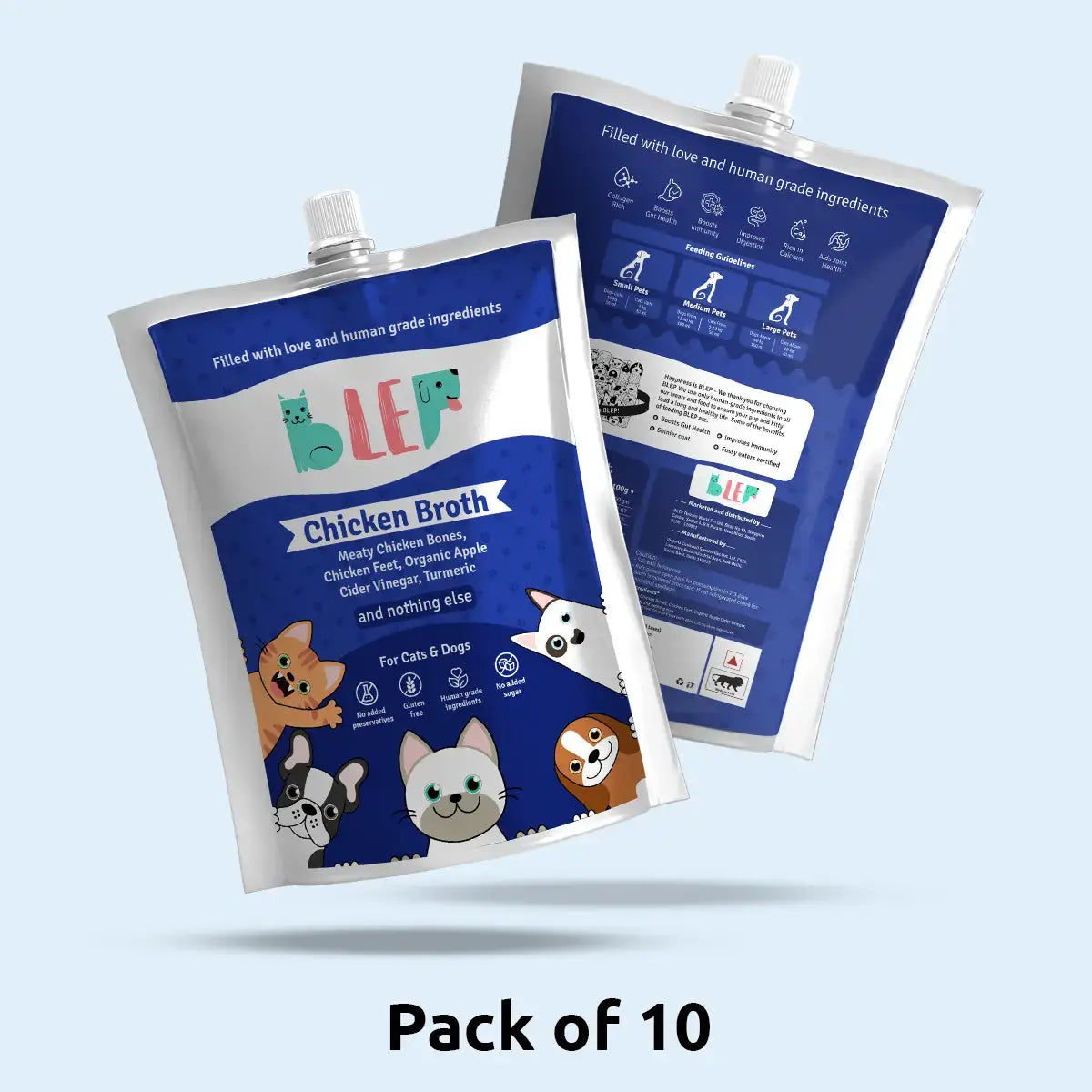
To keep the coat soft, shiny and manageable, a good diet is also an important component. Ingredients rich in essential fatty acids, such as fish, fish oil, eggs, cold-pressed sunflower oil, chia seeds, etc., can be of great help. Apart from that, bone broths contain collagen, glucosamine, and chondroitin, which are also great for coat and skin health. Apart from that, a high-protein diet also helps, as the amino acids build the skin's structure, prevent dryness and thinning, and support immune function and healing.

Why is it important to feed 100% natural, human-grade, and preservative-free dog food to your Poodles?
Food is what keeps us healthy from the inside out; the quality of food that is given to a pup is reflected in their energy, mood, appearance, and overall health. More than anything else, 100% natural, human-grade, preservative-free dog food is a promise of quality.
Because it is 100% natural, there are no artificial additives, flavourings, or colours added to it. The human-grade tag means that the ingredients used to make the dog food are safe enough for human consumption, which means that they are not byproducts, scraps, or leftovers from human food production. This, again, ensures a certain standard of quality. And preservative-free dog food means that the food hasn’t been loaded with chemicals that may cause health issues and sensitivities with long-term exposure.
Essentially, this means that your pup is getting the same quality of food that you make at home for yourself, balanced and adjusted with all the necessary nutrients that your pup needs. This kind of dog food is as safe and nutritionally rich as human food.
Looking to explore more tips on how to look after your furry friend? Check out our other guides like Can Dogs Eat Apples?, Can Dogs Eat Blueberries?, Dog Food for Weight Loss, Raw v/s cooked meat for dogs, Home Remedies to cure tick fever, Finding Good Dog Food in India, How many times should I feed my dog?, Things you should do to keep your pet healthy, Types of Dog Food, How Prebiotics and Probiotics can improve your dog's digestion, Essential Tips for a New Dog Parent, Indie Dog Nutrition Guide, Beagle Dog Nutrition Guide, Lhasa Apso Nutrition Guide, Poodles Nutrition Guide, Golden Retriever Nutrition Guide, Pomeranian Nutrition Guide, Pug Nutrition Guide, Labrador Nutrition Guide, Shih Tzu Nutrition Guide, Siberian Husky Nutrition Guide and others. Each guide is designed to help you make better food and care choices for your dog, to keep them happy, healthy, and thriving.
Resources:
https://en.wikipedia.org/wiki/Poodle
https://www.akc.org/dog-breeds/poodle-standard/
https://www.britannica.com/animal/poodle
https://www.chewy.com/education/dog-breeds/poodle
https://lbah.com/breed-disease/poodle-health-issues/
https://poodleclubofamerica.org/health-concerns/
https://vetericyn.com/blogs/vetericyn/common-poodle-health-issues/
Image Attribution:
By Wenceslaus Hollar - Artwork from University of Toronto Wenceslaus Hollar Digital CollectionScanned by University of TorontoHigh-resolution version extracted using custom tool by User:Dcoetzee, Public Domain, https://commons.wikimedia.org/w/index.php?curid=6233803
https://alpinepub.wordpress.com/2015/06/08/alopecia-areata-immune-problems/