






Key Takeaways
- Before treating a dog as fussy, rule out a health problem, since mouth pain and illness often show up first as a refusal to eat.
- Genuine picky eating is usually learned, built up when a skipped meal reliably brings something tastier.
- A dog served the same ultra-processed bowl every day has little to get excited about, which is half the problem.
- Fresh, whole-food recipes smell and taste of their ingredients, which is what tempts a reluctant dog back to the bowl.
- A trial pack is the simplest way to find the recipes your dog actually wants, before committing to a bulk order.
A dog that turns its nose up at the bowl can be one of the most worrying things a pet parent deals with.
The worry is fair, because refusing food can mean two very different things. Sometimes a dog genuinely is not well. Just as often, a healthy dog has simply learned that holding out brings something better. Sorting one from the other is the whole game, and picky eater dog food in India is less about a magic product than about understanding why your dog is fussy in the first place. Here is how to tell real pickiness from a health problem, why dogs lose interest in the same bowl, and how to get a fussy dog to eat with real enthusiasm again.
Is Your Dog Picky, or Is Something Else Going On?

Before you label a dog fussy, the first job is to rule out a reason it cannot eat comfortably rather than will not.
Mouth pain is a common and easily missed culprit. The Merck Veterinary Manual notes that mouth problems, from inflamed gums to a sore tongue or a damaged tooth, commonly bring reluctance to eat, drooling, and pain while eating. A dog that approaches the bowl keenly and then backs away, or chews on one side, may be telling you their mouth hurts.
The timing matters too. A dog that has always been choosy is a different case from a dog that suddenly stops eating a food they used to love. When the refusal is sudden, or comes alongside vomiting, lethargy, weight loss, or a dog that won't eat food for more than a day, treat it as a health question and see your vet first. Only once a health cause is ruled out is it fair to call a dog a genuine picky eater.
Why Dogs Lose Interest in the Same Bowl
Once a health problem is ruled out, most picky eating comes down to two things, and neither is your dog being difficult for the sake of it.
The first is learned behaviour. A dog that skips a meal and is promptly offered something tastier, a biscuit, a bit of chicken, a hand-fed topping, learns a simple lesson: wait, and the good stuff arrives. The fussiness is really a habit the feeding routine has taught. That is also why toppers and treats need a limit, and Merck's guidance on feeding a dog at home advises keeping treats to no more than 10% of a dog's daily calories.
The second is the bowl itself. A dog served the identical ultra-processed food every single day, with little smell and no change, has very little to look forward to. Food that barely smells of anything gives a dog little reason to get excited. Whether a dog benefits from some change is worth understanding, and our page on whether variety is good for dogs covers it. For a fussy dog, sameness is often half the problem.
How Fresh, Varied Food Changes Mealtime

The food in the bowl makes the biggest difference here, because fresh food solves the appeal problem that an ultra-processed routine creates.
Fresh, gently cooked food smells and tastes of its whole food ingredients, the named meat and vegetables it is actually made from, rather than of a uniform pellet. That aroma is a large part of what draws a dog to the bowl. Its softer texture is also easier on a tender mouth than a hard pellet, which helps an older dog or one recovering from a dental problem. The difference between wet, dry, and fresh dog food is worth a read if you are weighing the options. A rotation of fresh recipes across the week gives a fussy dog something to look forward to, while still delivering a complete, balanced meal each time rather than a free-for-all.
The best dog food for picky eaters, then, is usually not one specific recipe but a fresh, aromatic food offered with enough variety to keep mealtimes interesting. That is a far easier sell to a choosy dog than the same dry bowl on repeat.
Finding Your Dog's Favourite With a Trial Pack
The trouble with a fussy dog is that you cannot always predict which recipe will win it over, so buying a full month of a single one is a gamble before you even know your dog will eat it.
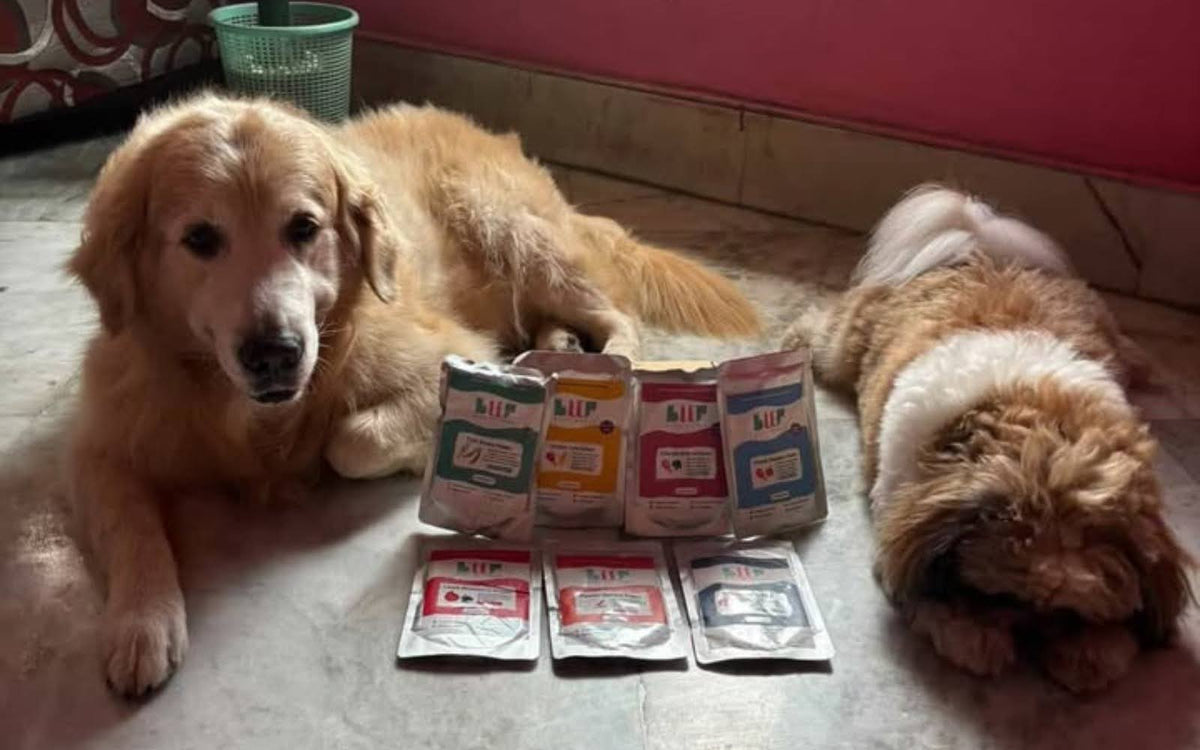
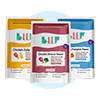
That is exactly what BLEP's dog food trial packs are built for. Each pack brings a mix of BLEP's fresh recipes in small portions, so you can see which one your dog actually goes for, whether that is a chicken, lamb, fish, or paneer recipe before committing to a bigger order.
Watching which bowl disappears fastest tells you more about your dog's taste than any label can. Once you know the favourite, you can settle into a BLEP monthly pack of it, or keep a couple of BLEP's recipes in rotation to hold a fussy dog's interest.
Simple Feeding Routine Changes That Help

How you feed matters almost as much as what you feed, and a few small changes often turn a fussy eater around. Here is how to get a fussy dog to eat on a steadier routine.
- Set mealtimes, and then take the bowl away: Offer food for about 15 to 20 minutes, then take it away. A dog that knows the bowl will not sit out all day learns to eat when it is served
- Feed on a schedule: Merck suggests most adult dogs do well on one or two meals a day, which builds a real appetite between them rather than all-day grazing
- Feed somewhere calm: Merck recommends feeding in a quiet area away from distractions, so an anxious or busy dog can settle to its food
- Warm it slightly: Gently warming fresh food lifts its aroma, which makes it more tempting to a hesitant dog
- Stop the top-ups: Resist adding something tastier the moment a dog refuses, since that is exactly what teaches the fussiness. A little broth or a topper stirred through the whole bowl is fine, but it should not become a reward for holding out
Give any change a week or two of consistency. A fussy habit took time to build, and it takes time to undo.
Getting Mealtime Back on Track

A picky eater is rarely a lost cause. Rule out a health problem first, then look honestly at the routine and the bowl, because between them they explain most fussiness.
Feed fresh, aromatic food on a steady schedule, keep the top-ups in check, and give your dog a little variety to look forward to. Most fussy dogs come back to the bowl with real interest once mealtime is worth turning up for.
Related Reads and Help
If you are wondering whether your dog minds eating the same thing forever, whether dogs can eat the same food long term is a useful next read, and the feeding guidelines set out portions and the transition to fresh food.
For help matching a recipe to your own fussy dog, talk to our team over WhatsApp, and we will help with the food side, with your vet handling anything clinical.
Ready to find the one your dog loves? Try a trial pack and let your dog choose.
Frequently Asked Questions
What is the best dog food for a picky eater?
Usually, a fresh, aromatic food rather than one specific recipe. Fresh, gently cooked food smells and tastes of its whole food ingredients, which is what draws a reluctant dog to the bowl, and a little variety keeps mealtimes interesting. A trial pack is the easiest way to find the recipe your own dog prefers.
Why won't my dog eat his food anymore?
A sudden change is worth taking seriously, since mouth pain or illness often shows up first as a refusal to eat. Rule that out with a vet if the refusal is sudden or comes with other signs. If your dog is well, the cause is usually a learned habit or simple boredom with the same daily bowl.
How do I get my fussy dog excited about mealtime?
Feed fresh, aromatic food on set mealtimes, warm it slightly to lift the smell, and feed in a calm spot. Take the bowl away after 15 to 20 minutes rather than leaving it out, and stop offering something tastier the moment your dog refuses, as that teaches the fussiness. Give the new routine a week or two.
My dog won't eat food but seems otherwise fine. Should I worry?
A healthy, bright dog skipping the odd meal is common and usually a behaviour issue rather than illness. Watch for other signs, and see a vet if the refusal lasts more than a day or two or comes with vomiting, lethargy, or weight loss. When your dog is otherwise well, work on the routine and the food.
Is it okay to keep changing my dog's food to tempt a picky eater?
Some planned variety helps, but constantly swapping food the instant a dog refuses rewards the fussiness and can upset the stomach. Rotate between complete, balanced recipes in a steady way, transition gradually, and keep treats and top-ups to a small share of the day's food.
Looking to explore more tips on how to look after your furry friend? Check out our other guides like Can Dogs Eat Apples?, Can Dogs Eat Blueberries?, Dog Food for Weight Loss, Raw v/s cooked meat for dogs, Home Remedies to cure tick fever, Finding Good Dog Food in India, How many times should I feed my dog?, Things you should do to keep your pet healthy, Types of Dog Food, How Prebiotics and Probiotics can improve your dog's digestion, Essential Tips for a New Dog Parent, and others. Each guide is designed to help you make better food and care choices for your dog, to keep them happy, healthy, and thriving.
Resources
- Merck Veterinary Manual, Disorders of the Mouth in Dogs: mouth and dental problems causing reluctance to eat, drooling, and pain while eating
- Merck Veterinary Manual, Providing a Home for a Dog: feeding frequency of one to two meals a day, feeding in a quiet area, keeping treats to no more than 10% of daily calories, and constant access to fresh water