






Key Takeaways
- Tick fever is treated by your vet, so food supports recovery but never replaces the medication your vet prescribes.
- Loss of appetite is one of the most common signs, so gentle, tempting food is a real part of recovery.
- In the first few days, easy-to-digest, moisture-rich food in small, frequent meals is kindest to a weak dog.
- A gut-support supplement can help digestion settle, especially while a dog is on a course of antibiotics.
- If your dog refuses food for more than a day, or seems to slip backwards, go straight back to the vet.
A tick fever diagnosis is frightening, and once the vet has started treatment, the next worry is usually the food bowl.
Knowing what to feed a dog with tick fever matters, because a recovering dog that will not eat heals more slowly, and appetite loss is one of the illness's most common effects. The important thing to hold onto is the order of things: your vet treats the disease, and good feeding supports the recovery around that treatment. What follows covers why appetite drops, what to put in the bowl in the early days, how to ease back to normal, and the signs that mean another vet visit, all as a companion to your vet's care rather than a substitute for it.
Why Appetite Loss Is Common During Tick Fever Recovery

Tick fever is not one disease but a group of tick-borne infections, and a flagging appetite is part of how they make a dog feel.
The Merck Veterinary Manual lists loss of appetite, low energy, and fever among the signs of ehrlichiosis, one of the main forms, spread by ticks such as the brown dog tick. Babesiosis, another tick-borne cause, works mainly by attacking the red blood cells, which Merck notes can lead to progressive anaemia. A dog that feels feverish, tired, and anaemic simply does not feel like eating.
Treatment makes the difference, and it belongs with your vet. Merck is clear that ehrlichiosis is treated with a course of antibiotics, and that a vet prescribes the right medication for babesiosis. Food does not treat the infection. What it does is keep a weak dog nourished and hydrated while the medicine does its work, which is why tempting a recovering dog to eat is worth the effort. A dog that keeps eating holds its strength and stays better hydrated, which gives the body a steadier base to recover on while the treatment runs its course.
What to Feed in the First Few Recovery Days
In the early days, the goal is simple: get gentle, nourishing food into a dog that may have little interest in it. Easy to digest matters a lot during this time.
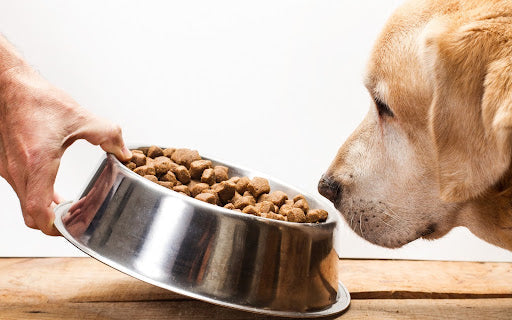
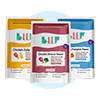
- Keep it light and digestible: A gently cooked, easy-to-digest meal sits better on a weak stomach than anything heavy or rich. Plain options like cooked chicken with rice are a familiar starting point, and BLEP's Chicken Rice recipe is a ready-made version of exactly that, gently cooked and easy on a recovering gut
- Offer small, frequent meals: Several small servings through the day are easier to manage than one or two large bowls, and less likely to be refused
- Lead with moisture: A recovering dog can be dehydrated, so moisture-rich food and plenty of fresh water both help. A little bone broth stirred through the bowl adds fluid and a tempting aroma
- Warm it gently: Warming food lifts its smell, which helps coax a dog with tick fever appetite loss to take the first few bites
- Make it tempting: A fragrant, whole-food meal is far more appealing to a dog off its food than a dry, uniform one
- Skip the rich and fatty: Heavy, oily, or spiced food is hard on a recovering gut, so keep meals plain and simple until your dog is clearly stronger
Our page on what to feed a dog during recovery goes into the feeding details. The aim through this phase is steady nourishment, fed patiently, without forcing.
Easing Back Into a Normal Feeding Routine

As the medicine takes effect and your dog brightens, appetite usually returns, and the job shifts to rebuilding a normal routine without rushing it.
A good recovery diet for a dog with tick fever stays gentle until the dog is clearly stronger, then builds back step by step. Bring back regular meals and portions gradually rather than all at once, since a gut that has been off food for days needs easing back. Move from the small, frequent recovery meals toward the dog's usual two-meal rhythm over several days, watching that the stools stay firm and the appetite holds.
Slow down again if the stomach seems unsettled as the portions grow, rather than pushing through it. If you are also moving the dog onto a new everyday food once recovery is well underway, a dog food trial pack is an easy way to find a gentle recipe your dog takes to, done slowly rather than in the thick of it, and the feeding guidelines set out a sensible transition. Dog food after tick fever does not need to be special forever, only gentle until your dog is fully back to itself.
How Gut-Support Supplementation Can Help
A course of antibiotics is central to treating tick fever, and while it clears the infection, it can also unsettle the balance of bacteria in the gut. Supporting digestion through this stretch can help.
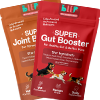
SUPER Gut Booster is BLEP's daily gut-health soft chew, formulated with prebiotics, probiotics, and postbiotics alongside digestive enzymes to support digestion and a balanced gut microbiome. One of those probiotics is Saccharomyces boulardii, which is especially relevant here because it is a yeast rather than a bacterium; a course of antibacterial antibiotics does not wipe it out the way it can bacterial probiotics, so it keeps working through the treatment. For a dog on antibiotics and eating unevenly, that kind of steady digestive support can be a useful part of the recovery routine. Firmer, more regular stools and a steadier appetite are the everyday signs that digestion is settling.
Our page on what dogs should eat during antibiotics covers the wider picture. As with everything in recovery, treat a supplement as support alongside your vet's plan, and mention it to your vet so it fits what they have prescribed.
When to Go Back to the Vet During Recovery

Recovery from tick fever is rarely a straight line, and part of feeding a dog through it is knowing when the bowl is telling you something the vet needs to hear.
- No eating for more than a day: A dog that will not eat at all for more than 24 hours, despite gentle, tempting food, needs a vet, not more patience
- Slipping backwards: New or returning fever, deepening tiredness, or a dog that was improving and then fades again can signal a relapse
- Signs of anaemia: Pale gums, weakness, or breathlessness point to the anaemia that tick fever can cause, and need prompt attention
- Vomiting or diarrhoea: Ongoing stomach upset, especially if it stops the dog from keeping food or water down, is a reason to call
None of this is about second-guessing your vet. Rather, it is about catching the moments when recovery stalls, so treatment can be adjusted early.
Feeding Supports the Recovery Your Vet Leads

Getting a dog through tick fever is a partnership. Your vet treats the infection, and your job at home is to keep a weak dog eating, hydrated, and comfortable while the treatment works.
Feed gently and patiently, lean on easy-to-digest and moisture-rich food, support the gut through the antibiotics, and watch for the signs that mean another visit. Recovery can take a couple of weeks, and some dogs need longer, so patience through the slow days matters as much as the food itself. Do that, and you give your dog the steadiest possible run back to full health.
Related Reads and Help
For the wider home-care picture, our guide to home remedies for tick fever is a useful companion to this feeding guide, always alongside your vet's treatment.
If your dog is recovering and you are unsure what to put in the bowl, talk to our team over WhatsApp, and we’ll help with the feeding side, with your vet leading the treatment.
Frequently Asked Questions
What should I feed my dog while recovering from tick fever?
Gentle, easy-to-digest, moisture-rich food in small, frequent meals works best. A gently cooked meal, or a familiar bland option like chicken and rice, is kind to a weak stomach, and a little warmth or broth makes it more tempting. Keep fresh water available, and let your vet's treatment lead while the food supports it.
Why won't my dog eat after tick fever?
Loss of appetite is one of the most common effects of tick fever, because the fever, tiredness, and anaemia it causes all leave a dog feeling unwell. The medication can dull appetite too. Tempt your dog with small, warm, aromatic meals, and if it refuses food for more than a day, go back to your vet.
What foods help a dog recover from tick fever?
No food treats the infection itself, but easy-to-digest, moisture-rich, protein-led meals help a recovering dog stay nourished and hydrated while the medicine works. Small frequent servings, broth for fluids, and gut support to settle digestion during antibiotics all help. The treatment, though, is always your vet's.
Is dog food after tick fever any different from normal food?
Only for a while. In the early days, lean on gentle, easy-to-digest food, then ease back to your dog's usual diet as the appetite returns. There is no need for a special food forever once your dog is fully recovered, though a clean, whole-food diet supports general health going forward.
Can a supplement help my dog recover from tick fever?
A gut-support supplement like SUPER Gut Booster will not treat tick fever, but it can help digestion settle while a dog is on antibiotics, which often unsettle the gut. Think of it as support for the recovery routine rather than a cure, and check with your vet that it fits their treatment plan.
Looking to explore more tips on how to look after your furry friend? Check out our other guides like Can Dogs Eat Apples?, Can Dogs Eat Blueberries?, Dog Food for Weight Loss, Raw v/s cooked meat for dogs, Home Remedies to cure tick fever, Finding Good Dog Food in India, How many times should I feed my dog?, Things you should do to keep your pet healthy, Types of Dog Food, How Prebiotics and Probiotics can improve your dog's digestion, Essential Tips for a New Dog Parent, and others. Each guide is designed to help you make better food and care choices for your dog, to keep them happy, healthy, and thriving.
Resources
- Merck Veterinary Manual, Ehrlichiosis and Related Infections in Dogs: loss of appetite, low energy, and fever among the signs, the brown dog tick as a carrier, and antibiotics as the treatment
- Merck Veterinary Manual, Blood Parasites of Dogs: babesiosis as a tick-transmitted infection causing progressive anaemia, treated with medication prescribed by a veterinarian
- Saccharomyces boulardii CNCM I-745, a non-bacterial probiotic, a review, Current Microbiology, 2020: S. boulardii as a yeast whose vitality is not affected by antibiotics, keeping its probiotic properties when co-administered with them