








Key Takeaways:
-
Cats have a naturally low thirst drive inherited from desert ancestors, making moisture in food critically important since most cats won't compensate for dry diets by drinking more water.
-
Dry cat food contains approximately 45% carbohydrates needed for structural integrity, which is dangerously high for obligate carnivores whose bodies are designed to derive nutrition almost entirely from animal protein.
-
India's hot climate significantly increases cats' baseline fluid needs, making adequate hydration especially critical for preventing feline lower urinary tract disease, crystal formation, and dangerous urinary blockages in male cats.
-
Wet food actively contributes close to half a cat's daily hydration needs per meal, supports weight management through lower calorie density, and is particularly beneficial for senior cats, fussy eaters, and cats recovering from illness.
-
Quality of wet food matters as much as moisture content, as wet food made with animal by-products, grains, and fillers offers far less nutritional benefit than natural human-grade, preservative-free alternatives.
If you've ever stared at the phone wondering exactly what food to buy for your cat, you’re not alone: Wet food versus dry food is one of the most common questions that cat parents ask. The best choice depends on your cat's age, health, lifestyle, and where you live, and for cat parents in India, climate plays a bigger role in this decision than most people realise.
This guide walks through the actual science behind wet and dry food, what each one does well, where dry food tends to fall short, and how much wet food your cat really needs.
Wet food vs dry food for cats: what's the difference
The biggest difference is moisture. Dry food contains about 8-10% moisture. Wet food typically contains a lot more. The moisture gap has a much bigger effect on your cat's health than most labels let on. Plus, dry cat food contains an average carbohydrate percentage of 45% because it is needed for the structural integrity of dry food. This is very high for obligate carnivores like cats.
Here's a quick side by side look:
|
Wet food |
Dry food |
|
|
Moisture content |
High (around 50 to 80%) |
Low (around 8 to 10%) |
|
Texture |
Soft, closer to natural prey |
Crunchy because of carbohydrates |
|
Calorie density |
Usually fewer calories per gram |
More calorie dense |
|
Storage |
Needs refrigeration once opened |
Shelf stable, easier to store because of preservatives |
|
Palatability |
Often more appealing to fussy cats |
Convenient but less aromatic |
|
Hydration support |
Actively contributes to water intake |
Barely contributes to water intake |

Why moisture matters more than most people realise
Cats are obligate carnivores with a naturally low thirst drive, a trait that traces back to their desert dwelling ancestors, who got most of their moisture from prey rather than from drinking water. That instinct hasn't gone anywhere, even in a cat who's never seen the desert in its life. It just means most cats won't reliably make up for a dry diet by drinking more water from the bowl.
This matters even more here in India. Hot, humid weather across most of the year increases a cat's baseline fluid needs, and homes without reliable access to filtered or frequently changed water can make things worse. A cat eating only dry food in a Chennai summer or a Delhi May is working with a much thinner margin for error than a cat in a cooler climate.
Feline lower urinary tract disease, often shortened to FLUTD, covers several conditions affecting the bladder and urethra, and dilute urine from good hydration is genuinely protective against crystal formation, urinary blockages, and bladder inflammation. This is one of the more common reasons Indian vets end up recommending a switch toward wet or moisture rich food, especially for male cats, who are more prone to urinary blockages.
The case for wet food
It hydrates your cat without a fight: Feeding wet food to your cat can account for close to half of the hydration an average cat needs daily. You don't have to nag your cat to drink more. The water is already in the food.
Most cats genuinely prefer it: The stronger aroma and softer texture make wet food an easy win for:
-
Fussy eaters
-
Senior cats with dental discomfort
-
Cats recovering from illness or surgery
-
Kittens transitioning off milk
It helps with weight management: Because wet food is more diluted with water, it's usually lower in calories per gram than dry food. In any case, the higher carbohydrate percentage of dry food makes the calorie count also higher. Wet cat food makes it easier to control portions without your cat feeling like they're getting less.
It supports long term urinary and kidney health: Vets often recommend wet food as part of managing early kidney disease, since it passively increases daily water intake without relying on the cat to drink more on its own. If you're feeding your cat mostly or only dry food today, this alone is a good reason to start shifting the ratio toward wet, even gradually.

How much water does a cat need?
Cats need approximately 52 ml of water per kg of lean body weight per day. So, if a cat weighs about 4 kg, they’ll need about 208 ml of water per day.
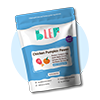
Now let’s take the example of BLEP Juicy Chicken Fresh Cat Food. It contains 75.2% moisture per 50 g.
If we approximate that the cat is eating 2 packs a day, that’s about 75.2 ml of water. Add some bone broth for cats, and this takes care of a significant amount of hydration needs for your cat.
Where dry food still has a place
To be fair, dry food isn't without its uses. It's easy to store, doesn't spoil quickly once opened, and works well for scheduled meals or slow feeder puzzles. That said, convenience shouldn't be the deciding factor when hydration and long term urinary health are on the other side of the scale.
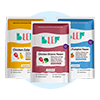
This is especially true nowadays. For example, BLEP fresh cat food comes packed in meal-sized retort pouches that do not need refrigeration when sealed. These have a 12 month shelf life. Once open, they need to be refrigerated and served within 48 hours. This gives you just as much convenience as dry food, but with better quality, moisture and nutrients.
If your household leans heavily on dry food purely out of habit or convenience, it's worth asking your vet whether a gradual shift toward wet or mixed feeding makes sense for your cat.

Is wet food always the better choice
Not universally, but wet food tends to be the stronger option for:
-
Cats with a history of urinary issues
-
Cats that drink very little water on their own
-
Senior cats or cats recovering from illness
-
Fussy eaters who need more encouragement at mealtime
-
Most cats living in hot Indian climates, where fluid loss is higher year round
However, the quality of the wet food that you’re feeding also matters. Wet food that is made of animal by-products, lots of grains and fillers will not be as nutritionally beneficial as one made with 100% natural, human-grade ingredients with zero fillers or by-products.
How much wet food should a cat eat?
There's no single number that works for every cat. It depends on body weight, age, activity level, neuter status, and whether wet food is the only food or is fed alongside dry food. One widely used veterinary formula calculates a cat's resting energy requirement as 70 multiplied by body weight in kilograms raised to the power of 0.75, and then adjusts that baseline up or down based on activity and life stage.
Here's a rough guide by weight for a healthy, neutered adult cat at moderate activity. Treat this as a starting point, not a prescription.
|
Cat's weight |
Approximate resting energy need |
Typical daily maintenance range |
|
3 kg |
Around 160 kcal |
190 to 220 kcal |
|
4 kg |
Around 200 kcal |
220 to 280 kcal |
|
5 kg |
Around 235 kcal |
260 to 330 kcal |
|
6 kg |
Around 270 kcal |
300 to 380 kcal |
Always check the feeding guide on the product packaging, and adjust based on your cat's body condition and your vet's advice. If you're feeding both wet and dry food, remember the calories from both add up toward the daily total. It's easy to accidentally overfeed when you're mixing formats. Check out BLEP’s Cat Diet Calculator to know your cat’s exact dietary needs.

What to look for in a good cat food?
-
Complete and balanced diet
-
Built around high quality animal protein, since cats are obligate carnivores
-
Clearly labelled, with ingredients you can actually recognise
-
Free from added sugars, fillers and chemicals
-
100% natural ingredients for better bioavailability of nutrients
Can bone broth be added to cat food?
Plain bone broth made specifically for cats can be a nice addition alongside meals. It can encourage extra hydration and add some variety. However, use it as a topper, not a meal replacement. BLEP’s bone broths for cats contain zero sugar, salt or spices and are great for a hydrating boost.
So, which is better? Dry cat food or wet cat food?
There's no single correct answer to wet food versus dry food, but the science leans fairly clearly in one direction: moisture matters more than convenience, especially for cats living through Indian summers. If your cat currently eats only dry food, even a gradual shift toward more wet or fresh, moisture-rich cat food can make a real difference to their hydration, urinary health, and overall comfort over the years. Talk to your vet about what ratio makes sense for your cat's age, weight, and health history.
Frequently Asked Questions
Is wet food better than dry food for cats?
Wet food tends to have the edge for hydration and urinary health, since it delivers significantly more moisture per meal. It is also often made of better quality ingredients and less chemicals.
How much wet food should a cat eat each day?
It depends on your cat's weight, age, activity level, and whether wet food is fed alone or alongside dry food. Use the feeding guide on the product label as a starting point and check with your vet for a more precise number. You can also use BLEP’s Cat Diet Calculator to get a custom diet chart for your cat.
Can cats eat only wet food?
Yes. A cat can eat only wet food as long as it's a complete and balanced meal, not a meal topper.
Can cats eat both wet and dry food?
Yes, and many vets recommend it as a practical middle ground, since it combines the hydration benefits of wet food with the convenience of dry food. However, BLEP fresh cat food bridges this gap. It comes in meal-sized retort pouches with a 12-month shelf life, requires no refrigeration until opened, and offers the convenience of dry food with better moisture, nutrition and ingredient quality.
Does wet food help cats drink more water?
Not exactly, it helps them consume more water through their food, which matters more than how much they drink from a bowl, given how low a cat's natural thirst drive already is.
Is wet food good for indoor cats?
Yes, particularly for indoor cats that don't drink much water on their own. Portion control still matters to avoid excess weight gain.
How should I switch my cat to wet food?
Introduce it gradually over 9 to 10 days, increasing the wet food ratio while reducing the previous food. This helps avoid digestive upset and gives your cat time to adjust to the new texture and taste.
Looking to explore more tips on how to look after your furry friend? Check out our other guides like 7 things to look for when choosing the best cat food in India, Cat UTI Symptoms, Causes & Treatment, Cat Dehydration: symptoms, causes & how to treat dehydration in cats, Nutrition Food Guide for Senior Cats, Dog Food for Weight Loss, Raw v/s cooked meat for dogs, Home Remedies to cure tick fever, Finding Good Dog Food in India, How many times should I feed my dog?, Things you should do to keep your pet healthy, Types of Dog Food, How Prebiotics and Probiotics can improve your dog's digestion, Essential Tips for a New Dog Parent, and others. Each guide is designed to help you make better food and care choices for your pet, to keep them happy, healthy, and thriving.
Resources:
-
American Animal Hospital Association (AAHA). Wet Cat Food: More Than a Meal, a Key Ingredient for Feline Wellbeing. https://www.aaha.org/newstat/publications/wet-cat-food-more-than-a-meal-a-key-ingredient-for-feline-wellbeing/
-
Just Cats Clinic. Cat Nutrition: Wet vs. Dry, Water Intake, and Urinary Health. https://justcatsclinic.com/cat-nutrition-wet-vs-dry-water-intake-and-urinary-health/
-
Hill's Pet Nutrition. Your Cat Doesn't Drink Water but Eats Wet Food: Is It Enough? https://www.hillspet.com/cat-care/nutrition-feeding/cat-doesnt-drink-water-but-eats-wet-food
-
Myo KMM, et al. Water Requirement in Cats and Factors Affecting Their Water Intake. https://www.maas.edu.mm/Research/Admin/pdf/25.%20Dr%20KyaingThuzar%20Mon(265-274).pdf
-
American Veterinary Medical Association (AVMA). Feline Lower Urinary Tract Disease. https://www.avma.org/resources-tools/pet-owners/petcare/feline-lower-urinary-tract-disease
-
Friendship Veterinary Center. Urinary Blockages in Male Cats: Signs, Causes and Treatment. https://fvpetemergency.com/urinary-blockages-in-male-cats-signs-causes-and-treatment/
-
Cornell Feline Health Center. Hydration. https://www.vet.cornell.edu/departments-centers-and-institutes/cornell-feline-health-center/health-information/feline-health-topics/hydration
-
Merck Veterinary Manual (MSD Vet Manual). Nutritional Requirements of Small Animals. https://www.msdvetmanual.com/management-and-nutrition/nutrition-small-animals/nutritional-requirements-of-small-animals#Energy_v3328508