







Key Takeaways:
-
A sensitive stomach is not a medical diagnosis but a pattern of recurring digestive discomfort requiring veterinary investigation to rule out parasites, infections, inflammatory bowel disease, or other underlying conditions.
-
The best food for sensitive dogs prioritises highly digestible animal proteins like chicken, turkey, fish, or lamb, paired with gentle carbohydrates like pumpkin, sweet potato, and oats that support gut motility.
-
Limited-ingredient diets reduce potential triggers by simplifying the ingredient list, while hydrolyzed-protein diets chemically break proteins into fragments too small to trigger immune responses, reserved for diagnosed allergies or inflammatory bowel disease.
-
Whether food contains grains matters less than why grains are included, as nutritionally beneficial digestible fibre is very different from cheap bulking agents used to reduce manufacturing costs.
-
Multi-strain probiotic supplements, digestive enzymes, prebiotics, postbiotics, L-glutamine, and gut-supporting botanicals can meaningfully support dogs with sensitive stomachs alongside a clean, minimally processed diet.
Many dogs experience digestive issues from time to time, but recurring vomiting, loose stools, excessive gas, or frequent stomach discomfort may indicate a sensitive stomach. Choosing the best dog food for sensitive stomach concerns is not about finding a single "magic" ingredient. Instead, it is about selecting a complete, balanced diet made with ingredients that are easy to digest while avoiding those that may trigger digestive upset in some dogs.
This guide explains the best ingredients for sensitive dogs, ingredients that may be harder to tolerate, and simple ways to support digestive health, including targeted supplementation for the gut.
What is a sensitive stomach in dogs?
A sensitive stomach is not a medical diagnosis. It's a general term used when a dog experiences digestive discomfort more easily than others. Symptoms may include:
-
Frequent loose stools
-
Vomiting occasionally after meals
-
Excessive gas
-
Gurgling stomach sounds
-
Reduced appetite
-
Soft stools that come and go
These signs can have many causes, including sudden diet changes, food intolerance, infections, parasites, stress, or underlying medical conditions such as exocrine pancreatic insufficiency or inflammatory bowel disease. According to the Merck Veterinary Manual, chronic or recurrent GI signs in dogs warrant a veterinary workup to rule out structural, infectious, and inflammatory causes before they're attributed to simple food sensitivity. If digestive symptoms are severe, persistent, or accompanied by blood loss, weight loss, or lethargy, consult your veterinarian promptly.

What makes the best dog food for sensitive stomachs?
The ideal diet focuses on digestibility, balanced nutrition, and ingredient quality. The World Small Animal Veterinary Association (WSAVA) recommends evaluating a food's digestibility and completeness against AAFCO or FEDIAF nutrient profiles.
Look for foods that are:
-
Made with high-quality animal protein
-
Easily digestible
-
Nutritionally complete and balanced, meeting AAFCO or FEDIAF standards
-
Free from fillers
-
Appropriate for your dog's life stage and activity level
Every dog is different, so what works well for one dog may not work for another.
Comparison: common protein and carbohydrate sources for sensitive stomachs
|
Ingredient |
Type |
Typical Digestibility |
Good For |
Watch Out For |
|
Chicken |
Animal protein |
High |
Most dogs; lean, easy to digest |
Some dogs may be allergic |
|
Turkey |
Animal protein |
High |
Dogs sensitive to chicken |
Less common but still a possible allergen |
|
Fish |
Animal protein |
High |
Skin/coat support via omega-3s |
Sourcing/quality varies by brand |
|
Lamb |
Animal protein |
High |
Novel protein for chicken-sensitive dogs |
Higher fat content in some formulations |
|
Hydrolyzed protein |
Processed animal protein |
Very High |
Dogs with confirmed food allergies |
Requires veterinary guidance; prescription-only in most cases |
|
Rice (white) |
Carbohydrate |
High |
Acute digestive upset, bland diets |
Lower fibre; not a complete meal alone |
|
Oats |
Carbohydrate |
Moderate–High |
Steady energy, soluble fibre |
Some dogs with grain sensitivity may not tolerate |
|
Sweet potato |
Carbohydrate |
Moderate |
Fibre plus micronutrients |
High intake can loosen stool |
|
Pumpkin |
Fibre/carbohydrate |
High |
Regulating stool consistency |
Best as an addition, not a sole carb source |
This table is a general guide. Individual tolerance varies. Always confirm suitability with your veterinarian, particularly for dogs with diagnosed food allergies or GI disease.

Best ingredients for sensitive dogs
1. High-quality animal protein: Protein supports muscles, immunity, skin, and overall health. Dogs with sensitive stomachs often do better with highly digestible animal proteins such as chicken, turkey, fish, or lamb. The protein source itself is not necessarily the problem. Digestibility and individual tolerance matter most.
2. Easily digestible carbohydrates: Carbohydrates provide energy and can be gentle on digestion when carefully selected, such as pumpkin, sweet potato, rice, and oats. Pumpkin is especially valued because it contains both soluble and insoluble fibre, which can help firm loose stool and relieve mild constipation depending on the dog.
3. Healthy fibre: Appropriate amounts of fibre help maintain regular bowel movements and support beneficial gut bacteria. Useful sources include pumpkin, beet pulp, psyllium, inulin, and Partially Hydrolyzed Guar Gum (PHGG). Too much fibre, however, may worsen digestive discomfort in some dogs.
4. Omega-3 fatty acids: Omega-3s from fish oil or flaxseed help support skin, coat, and overall health, and may support normal intestinal function by moderating inflammatory response.
5. Prebiotics and probiotics: A healthy gut microbiome plays an important role in digestion. Prebiotics feed beneficial bacteria; probiotics introduce live beneficial microorganisms; postbiotics are the beneficial compounds those bacteria produce, and research suggests multi-strain formulations can support GI resilience during dietary transitions or mild upset.

Diet categories worth knowing about
Beyond individual ingredients, three diet categories commonly come up in sensitive-stomach conversations:
-
Limited-ingredient diets (LIDs): Use a short, defined ingredient list to simplify elimination and reduce the chance of a reaction. Useful as a starting point, but "limited" doesn't automatically mean "better". Completeness and balance still matter.
-
Novel-protein diets: Use a protein the dog hasn't eaten before (e.g., lamb, turkey, etc.) on the theory that the dog can't have developed a sensitivity to something new. Often used alongside an elimination trial.
-
Hydrolyzed-protein / prescription GI diets: Break protein down into fragments too small to trigger most immune responses. These are typically only available through a veterinarian and are reserved for dogs with diagnosed food allergies, IBD, or other significant GI disease, not a first-line choice for mild, occasional sensitivity.
Which category fits depends on symptom severity and whether a formal diagnosis is involved. This is a conversation worth having with your vet rather than a trial-and-error decision.
Ingredients that may not suit some sensitive dogs
-
Artificial colours, flavours, and preservatives: Artificial ingredients and chemicals can trigger sensitivities, especially in dogs with sensitive stomachs. Minimally processed food with zero chemicals and additives are better for them.
-
New food: Even an excellent food can cause digestive problems if introduced too quickly. Transition gradually over 9 to 10 days by slowly increasing the proportion of the new food.
-
Ingredients your individual dog cannot tolerate: Some dogs develop food intolerances to certain proteins or other ingredients. Identifying these usually requires veterinary guidance, sometimes via a formal elimination diet.
-
Excessively fatty foods: Very high-fat meals can be difficult for some dogs to digest and may worsen digestive upset, or in some cases contribute to pancreatitis risk.

Hydration matters too
Water supports every stage of digestion. Dogs that eat ultra-processed dry dog food should always have access to fresh water because of their low moisture content. Adding moisture through minimally-processed fresh dog food or plain, unseasoned bone broth for dogs can encourage hydration, especially for picky eaters or dogs recovering from mild digestive upset.
Can dog supplements help?
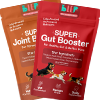
Some dogs benefit from digestive supplements, particularly if they experience occasional digestive disturbances or are recovering after gastrointestinal stress. Ingredients commonly found in gut health supplements include multiple probiotic strains, prebiotics, postbiotics, digestive enzymes, butyrate sources, L-glutamine, and gut-supporting botanicals. BLEP Gut Booster digestive supplement for dogs comes in a soft chew format and has all of these (and more) packed within. It improves digestion, absorption of nutrients and keeps the gut lining healthy.
If your dog’s digestive issues are severe, check with your vet before giving them anything new.
Simple feeding tips for sensitive dogs
-
Feed consistent meal times every day.
-
Avoid frequent table scraps.
-
Introduce new foods gradually.
-
Measure portions carefully.
-
Limit unnecessary treats.
-
Keep fresh drinking water available.
-
Monitor stool quality after diet changes.
-
Introduce a soothing gut supplement for dogs.

Choosing the right food for your dog
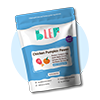
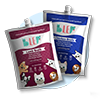
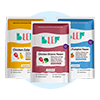
Finding the best dog food for sensitive stomach concerns often involves patience and observation. Focus on highly digestible, balanced nutrition made with quality ingredients that your individual dog tolerates well. BLEP fresh dog food is made with 100% natural ingredients, has zero preservatives, fillers, chemicals, or anything else that may trigger your dog’s gut sensitivity. The recipes are protein-first and human-grade, making it highly digestible and great for dogs with sensitive stomachs.
If digestive problems continue despite dietary adjustments, your veterinarian can investigate possible medical causes and recommend the most appropriate nutritional plan, which may include a limited-ingredient, novel-protein, or prescription hydrolyzed diet depending on severity.
Frequently Asked Questions
What is the best dog food for sensitive stomachs?
The best option is a complete and balanced diet made with highly digestible ingredients, quality animal protein, appropriate fibre, and ingredients your individual dog tolerates well. BLEP fresh dog food is made with 100% natural ingredients and zero preservatives, making it a good choice for dogs with sensitive stomachs.
Which protein is easiest to digest for sensitive dogs?
Many dogs digest chicken, turkey, lamb, and fish well, but tolerance varies between individuals. There is no single protein that works for every dog.
Is grain-free food better for dogs with sensitive stomachs?
This depends. Grains like rice and oats are well-digested by dogs. However, sometimes, many ultra-processed dog food uses cereals and cereal by-products to bulk up the product to reduce manufacturing costs. This way, grains become fillers, reducing the amount of nutritionally beneficial ingredients. So, with grain or without grain is not the issue, the question is what are the grains being used for: as highly-digestible fibre or as bulking agents.
What's the difference between a limited-ingredient diet and a hydrolyzed-protein diet?
A limited-ingredient diet simply reduces the number of ingredients to make reactions easier to identify. A hydrolyzed-protein diet chemically breaks protein into fragments too small to trigger most immune responses, and is typically prescribed by a vet for diagnosed food allergies or IBD.
Can pumpkin help dogs with digestive problems?
Pumpkin provides dietary fibre that may help support healthy digestion in some dogs and improve mild diarrhea. It should be fed in appropriate amounts as part of a balanced diet.
How long does it take for a dog to adjust to a new food?
Most veterinarians recommend transitioning gradually over 9 to 10 days to reduce the chance of digestive upset. You can check out our Feeding Guidelines to know more.
Are probiotics good for dogs with sensitive stomachs?
Some dogs may benefit from probiotics, particularly alongside dietary management. Effectiveness depends on the strain, dose, and underlying cause of digestive issues. BLEP Gut Booster digestive supplement for dogs contains 5+ billion CFU and 9 probiotic strains, which can help dogs with sensitive stomachs digest their food better and give overall protection to their gut.
Can bone broth help dogs with sensitive stomachs?
Plain bone broth for dogs can increase moisture intake and encourage hydration, which ultimately helps in better digestion. It should be fed as a complement to a balanced diet rather than a replacement for complete nutrition.
When should I see a vet?
Seek veterinary care if your dog has repeated vomiting, persistent diarrhoea, blood in the stool, weight loss, severe lethargy, dehydration, or digestive problems that do not improve.
Looking to explore more tips on how to look after your furry friend? Check out our other guides like Can Dogs Eat Apples?, Can Dogs Eat Blueberries?, Dog Food for Weight Loss, Raw v/s cooked meat for dogs, Home Remedies to cure tick fever, Finding Good Dog Food in India, How many times should I feed my dog?, Things you should do to keep your pet healthy, Types of Dog Food, How Prebiotics and Probiotics can improve your dog's digestion, Essential Tips for a New Dog Parent, and others. Each guide is designed to help you make better food and care choices for your dog, to keep them happy, healthy, and thriving.
Resources:
-
Merck Veterinary Manual. Disorders of the Stomach and Intestines in Dogs. https://www.merckvetmanual.com/dog-owners/digestive-disorders-of-dogs/disorders-of-the-stomach-and-intestines-in-dogs
-
Baritugo, K.A., Bakhsh, A., Kim, B., & Park, S. Perspectives on Functional Foods for Improvement of Canine Health and Treatment of Diseases. Journal of Functional Foods. https://www.sciencedirect.com/science/article/pii/S1756464623003444
-
WSAVA Global Nutrition Committee. Selecting the Best Food for Your Pet. https://wsava.org/wp-content/uploads/2021/04/Selecting-a-pet-food-for-your-pet-updated-2021_WSAVA-Global-Nutrition-Toolkit.pdf
-
Association of American Feed Control Officials (AAFCO). Proposed Revisions to AAFCO Dog and Cat Food Nutrient Profiles. https://www.aafco.org/wp-content/uploads/2023/01/Model_Bills_and_Regulations_Agenda_Midyear_2015_Final_Attachment_A.__Proposed_revisions_to_AAFCO_Nutrient_Profiles_PFC_Final_070214.pdf
-
Ontario Veterinary College, University of Guelph. Pumpkin as a Fibre Source. https://ovcpetnutrition.uoguelph.ca/2021/10/31/pumpkin-as-a-fibre-source