






If your dog’s poop is not firm and scoopable, it is likely a digestive issue. However, the top reasons for soft poop in dogs are:
-
Diet change: Your pup may not take well to a sudden diet change. This is why a transition period of 9-10 days is always recommended when changing from one diet to another. Otherwise, dogs may struggle to digest the new kind of food.
-
Low-fibre diet: Dietary fibre helps in bowel movement and maintains the consistency of poop. It soaks up the excess water from the poop, which firms the poop up. A lack of dietary fibre in your dog’s meal can therefore make it softer and more watery.
-
Overfeeding: Some dogs are absolute foodies (yes, we’re looking at you, Goldies!) and do not know when to stop eating. They may also beg for food and treats all day long or dig into garbage. Overeating may also cause diarrhea or soft poop, especially in puppies.
-
Gut imbalance: In your dog’s gut live millions of good and bad bacteria. The good bacteria breaks down food for better nutrient absorption. In case this good bacteria is disturbed, such as through antibiotics or poor diet, their poop may become soft and watery.
-
Food sensitivities: Food sensitivities often manifest as loose poop, because the stomach is unable to effectively digest ingredients that go in. For example, if your dog is allergic to chicken, feeding chicken may cause chronic diarrhea and indigestion.
-
Infection: There are many parasites and worms that lead to chronic diarrhea and soft poop. They may damage the intestinal lining, cause inflammation, etc. These pathogens also speed up the process of food passing through the intestine, preventing the colon from reabsorbing excess water, leading to loose stools, diarrhea, and dehydration.
-
Stress: Dogs may often face something called stress colitis when they are anxious and overwhelmed. This may be during traveling or in a stressful situation like festivals, markets, large crowds, etc. They may start pooping frequently or get loose poop.
-
Other health concerns: Loose poop may also be a symptom for an underlying health issue. Infections, pancreatitis, liver disease, and kidney disease are a few serious health problems that often have diarrhea as one of the symptoms.

What does healthy poop look like?
While no one enjoys inspecting poop, it’s a great indicator of your pup’s overall health. But you can’t scoop out every bowel movement and send it for testing. So, here’s a few things you can look for in your dog’s poop to assess whether or not it is healthy:
-
Consistency: Healthy poop is firm and segmented but not hard. It feels like Playdoh and can be scooped easily.
-
Colour: The colour of healthy poop is medium to dark brown.
-
Content: Your dog’s healthy poop should be free of worms, foreign objects or fur.
-
Coating: The poop shouldn’t have any blood or mucous coating, film, or trail on it.
What are the kinds of unhealthy poop?
Unhealthy poop also has certain common signs that you can look for when you examine your dog’s poop (and you should do this often!). The parameters remain the same:
-
Consistency: Poop that is soft and formless may mean that water is not getting re-absorbed in the large intestine. Hard stool may indicate dehydration or lack of dietary fibre in meals. Diarrhea can be caused by parasites, bacteria, food allergies, stress, etc.
-
Colour: Bad poop comes in a whole lot of shades. Black stool may be caused by bleeding high up in the digestive tract. Red streaks in poop may be due to bleeding in the lower digestive tract or due to straining when pooping. Green stool may indicate eating grass and leaves because of GI upset. White poop may be because of excess calcium. Yellow poop may be a sign of trouble in the pancreas, liver, or gallbladder. Grey poop may be due to improper fat digestion.
-
Content: Unhealthy poop may contain long roundworms or little spots of white from tapeworms. Foreign bodies like grass, bits of cloth, plastic, rocks, etc., in the poop also indicate something is amiss. Sometimes, even bits of fur or hair may be found in your dog’s food that may signal overgrooming.
-
Coating: If there’s a coating of mucus on the poop, it may mean large bowel inflammation. In case of a coating of blood, there may be underlying issues that need a vet visit.

When should I be concerned?
Loose stool usually resolves itself within a day, if there are no other accompanying symptoms. If your dog’s stool doesn’t firm up within 24 hours, a vet check up may be necessary.
However, under certain circumstances, you may want to call your vet sooner:
-
Vomiting, lethargy, weakness or lack of appetite alongside loose poop.
-
Black, tarry, or bloody poop.
-
Foreign objects or worms in poop.
-
Excessive mucus or unusually bad smell in poop.

How to collect a dog poop sample?
The rule of thumb when collecting dog poop as a clinical sample is to collect it as fresh as possible. Since it may degrade between your collection and the vet’s appointment, you may want to put it in a sterile container and store it in the fridge.
In case your dog has severe diarrhea and the poop cannot be scooped up for a sample, make sure you take pictures of it to show to the vet.

How to firm up my dog’s poop naturally?
To firm up your dog’s poop, you first have to have a basic idea about what may be causing the loose or watery poop. In cases like diet switches, low-fibre diet, gut imbalance, overfeeding, etc., the food that you feed will take an active part. However, in deeper disease-related loose poop, diet can only play a part in management. So, make sure that you get a diagnosis from a vet and follow their medical instructions closely.
-
Diet change: If the diarrhea occurred because of a sudden diet change, you may want to pause for a few days till the stool becomes normal. Thereafter, gradually introduce the new food over 9–10 days. Check out our Diet Transition Plan for detailed information on how to switch to BLEP dog food.
-
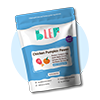
Low-fibre diet: If the issue is a low-fibre diet, slowly introduce more ingredients in your dog’s food that contain soluble dietary fibre. Small amounts of pumpkin, sweet potatoes, flaxseeds, etc. may help. You can also check out BLEP Pumpkin Pawer, which has chicken breast, pumpkin, egg, sweet potato, carrot, spinach, flaxseeds, cold-pressed sunflower oil, and high-quality fish oil.
-
Overfeeding: Portion control is very important for dogs who tend to overeat. This is why BLEP dog food comes in meal size packs of 100 gm, 200 gm, and 300 gm so you can feed your pup the right amount of food more easily.
-
Gut imbalance: If the balance of good and bad microbes in the gut is disturbed, 100% natural, high-quality, zero preservative dog food like BLEP may help. BLEP doesn’t have preservatives or chemicals that may harm good gut microbes; it is high in quality and easier for gut microbes to break down for nutrient absorption; and it is rich in dietary fibre, which feeds the good gut bacteria that fights the bad bacteria to maintain gut balance.

Otherwise, it is always better to feed high quality, 100% natural, zero preservative, zero sugar dog food to dogs. It keeps digestion healthy, boosts immunity by protecting the gut, and makes all the nutrients from the food more bioavailable and easy to absorb.
Frequently Asked Questions
Why is my dog’s poop soft but not diarrhea?
If your dog has soft stool but not full-on diarrhea, the causes may be diet changes, low-fibre intake, or mild gut imbalance. The intestines may not be absorbing enough water or the gut may not be digesting the food well. You can manage this condition with a balanced diet.
How can I firm up my dog’s poop quickly at home?
To firm up your dog’s poop naturally, you can:
-
Add pumpkin or sweet potato (rich in fibre).
-
Ensure proper portion control (avoid overfeeding).
-
Feed easily digestible, high-quality food.
-
Support gut health with a zero preservative diet.
When should I worry about my dog’s loose stool?
You should contact your vet if your dog’s loose stool comes alongside vomiting, lethargy, or loss of appetite or contains blood, mucus, or worms. Also, if there are no other symptoms but it lasts more than 24 hours, get a check up done.
What does healthy dog poop look like?
Healthy dog poop should be firm, segmented and scoopable. It should feel like Playdoh and be medium to dark brown in colour.
Can dog food cause soft stool in dogs?
Yes, dog food may cause soft stool due to these reasons:
-
Sudden diet changes
-
Low-fibre diet
-
Poor quality dog food full of fillers
-
Dog food with added preservatives and chemicals
Looking to explore more tips on how to look after your furry friend? Check out our other guides like Can Dogs Eat Apples?, Can Dogs Eat Blueberries?, Dog Food for Weight Loss, Raw v/s cooked meat for dogs, Home Remedies to cure tick fever, Finding Good Dog Food in India, How many times should I feed my dog?, Things you should do to keep your pet healthy, Types of Dog Food, How Prebiotics and Probiotics can improve your dog's digestion, Essential Tips for a New Dog Parent, and others. Each guide is designed to help you make better food and care choices for your dog, to keep them happy, healthy, and thriving.
Resources:
https://www.vets-now.com/pet-care-advice/dog-poop-colour-consistency/
https://www.junovet.com/post/the-ultimate-guide-to-dog-poop-whats-healthy-and-whats-not
https://www.petmd.com/dog/care/how-should-my-dogs-poop-look


