






Key Takeaways:
-
The best cat food in India starts with high-quality animal protein, balanced nutrition, and transparent ingredients.
-
Cats are obligate carnivores, so animal protein should always be the first ingredient in their food. Cats need specific nutrients like taurine, vitamin A, and arachidonic acid that they can only get from animal sources.
-
Premium cat food should provide complete and balanced nutrition, ideally formulated to recognised standards like AAFCO or FEDIAF, while avoiding fillers, sugar, and preservatives.
-
Moisture-rich recipes can help support hydration and urinary health, especially for cats that drink little water.
-
Common Indian feeding habits like giving cats milk, dog food, or daily raw fish can quietly cause real nutritional and digestive problems.
From dry food to wet food to fresh food and grain-free food, nowadays pet parents have more choices in cat food than ever before. However, if you're searching for the best cat food in India, the most important factors to consider are the quality of the ingredients, nutritional balance, and whether the food meets your cat's biological needs.
This guide explains what to look for when choosing premium cat food in India, along with the common things to avoid.
Why choosing the right cat food matters
Cats have unique nutritional requirements that are very different from dogs and humans. They are obligate carnivores, which means they rely on nutrients found primarily in animal tissues. The National Research Council's nutrient requirement guidelines and AAFCO's nutrient profiles are the reference standards most veterinary nutritionists use to determine what a "complete and balanced" cat diet actually needs to contain.
A well-balanced diet supports:
-
Healthy muscles
-
Strong immunity
-
Healthy skin and coat
-
Good digestion
-
Energy levels
-
Urinary tract health
-
Healthy growth and maintenance throughout life
Poor-quality diets, on the other hand, may contain excessive fillers, unidentified meat sources, or unnecessary additives. These contribute little nutritional value and may even cause long-term health issues and deficiencies.

8 things to look for when buying cat food
1. Meat should always be the first ingredient
Cats require high-quality animal protein to thrive. Look for cat food that lists wholefood chicken, fish, turkey, or another identifiable, named meat as the first ingredient. Meat-first recipes provide the protein and amino acids cats naturally require.
2. Choose complete and balanced nutrition
Protein alone is not enough. The best cat food in India should provide complete and balanced nutrition with essential nutrients such as:
-
Taurine
-
Vitamins
-
Minerals
-
Omega fatty acids
These nutrients support heart health, vision, immunity, skin, coat, and overall wellbeing.
3. Consider moisture content
Cats naturally have a low thirst drive, making moisture-rich food an excellent way to support daily hydration. Fresh cat food recipes contain a lot of moisture, which helps keep cats hydrated and support urinary tract health as part of a balanced diet. In fact, to maximise both nutritional value and moisture, BLEP cat food is cooked in bone broth.

4. Avoid unnecessary additives
Not every long ingredient list is a sign of better nutrition; many of them will turn out to be completely unnecessary for cats, but beneficial for manufacturers to include. In fact, a few may also cause long-term health issues if consumed daily for years:
-
Added sugar
-
Artificial colours
-
Artificial flavours
-
Preservatives
-
Excessive fillers with little nutritional value
Instead, prioritise recipes made with simple, 100% natural ingredients, like BLEP cat food.
5. Look for transparent ingredient lists
Trustworthy brands clearly state what goes into every recipe. Instead of vague terms like "animal derivatives" or "meat by-products," look for clearly identified ingredients and transparent nutritional information, especially when it comes to the protein source.
This is because cats need a lot of high-quality, bioavailable protein. Just meeting the quantity requirements is not enough; you must ensure that their body is getting protein they can actually use.
That's why human-grade cat food, made with the kind of chicken and fish that you will be able to eat yourself, is good for cats. It gives an assurance of high quality.
6. Check for essential nutrients cats can't make themselves
Unlike dogs and many other animals, cats have a handful of nutrients they cannot produce on their own in sufficient amounts, and all of them must come directly from animal tissue:
-
Taurine: An amino acid essential for heart function, vision, reproduction, immune health, and growth. A taurine deficiency can lead to serious problems.
-
Vitamin A: Dogs and humans can convert plant-based beta-carotene into vitamin A, but cats can't make this conversion at all. They need preformed vitamin A, found only in animal-based ingredients like oily fish and fish oils.
-
Arachidonic acid: This essential fatty acid supports skin, coat, and inflammatory response. Dogs can synthesise it from plant-based omega sources, but cats cannot, so it must come from animal fat directly.
This is the core biological reason "meat-first" isn't just a marketing preference for cats. It reflects genuine nutritional requirements that plant-based or meat-light diets can't fully meet.
When choosing cat food, ensure it is formulated as a complete and balanced diet that includes adequate levels of all three, especially if the food is intended to be your cat's primary diet.
7. Choose brands that prioritise quality
A premium cat food focuses on ingredient quality, nutritional balance, and manufacturing standards. Look for brands that openly share their full ingredients list, feeding guidelines, storage recommendations, and nutritional information. The American Animal Hospital Association's nutritional assessment guidelines recommend pet parents ask manufacturers directly about quality control, sourcing, and whether the diet has undergone feeding trials, not just relying on the label.
8. Don't overlook healthy fats
Cats need healthy dietary fat as a source of energy and to absorb fat-soluble vitamins. Plus, omega-3 fatty acids support healthy skin, a shiny coat, brain function, and overall wellbeing. A balanced cat food should contain appropriate levels of healthy fats alongside high-quality protein. This is especially important for long-coat cat breeds like Persian cats.

Common cat feeding mistakes in India
A few habits that are common in Indian households can quietly undermine a cat's health, even with the best intentions:
Feeding dog food to cats: Dog food doesn't contain enough taurine, vitamin A, or arachidonic acid for a cat's needs, since dogs don't require these nutrients separately as much as cats. Regularly feeding a cat dog food, or assuming "pet food" is interchangeable, can lead to real deficiencies over time.
Feeding raw fish daily: Certain raw fish contains an enzyme called thiaminase, which breaks down thiamine (vitamin B1). Thiamine deficiency affects the nervous system. Cooking fish deactivates this enzyme. Plus, it is also safer as raw fish can have bacterial contamination risk for both cats and humans.
Adding onion, garlic, or heavy spices to home-cooked meals: These are toxic to cats even in small amounts and are common in Indian home cooking, so any home-cooked food for a cat needs to be prepared separately, without these ingredients.
Free-feeding indoor cats all day: Constant access to a full bowl, especially of dry food, is one of the more common contributors to feline obesity in sedentary indoor cats.
Giving cats cow's milk: Most adult cats are lactose intolerant, and regular milk can cause diarrhoea and digestive upset. If you want to offer a treat, there are a number of options: boiled eggs, bone broths made for cats, chicken jerky, cooked liver, or even small amounts of carrot or pumpkin can be given.

What makes a premium cat food?
When searching for premium cat food in India, many pet parents assume premium simply means expensive.
In reality, premium cat food should offer:
-
Meat-first recipes
-
Complete and balanced nutrition
-
Clearly identified ingredients
-
High-quality animal protein
-
Moisture-rich formulations
-
No unnecessary fillers
-
No preservatives
-
Consistent quality standards
The goal is to provide nutrition that closely aligns with a cat's natural dietary needs.
What makes a natural cat food worth choosing?
If you're looking for the best cat food in India, choosing recipes made with natural, high-quality ingredients can make a meaningful difference.
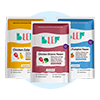
BLEP's natural cat food range is made with 100% natural, meat-first ingredients and is designed to provide complete and balanced everyday nutrition. Every recipe is cooked in nourishing bone broth and is naturally rich in moisture, making mealtimes both nutritious and highly palatable.
BLEP cat food contains zero preservatives, zero added sugar, and zero chemicals while using identifiable, high-quality ingredients that pet parents can recognise. Whether you are introducing a kitten to solid food or feeding an adult cat, these recipes are designed to support healthy digestion, hydration, and overall wellbeing.

What should you remember before buying cat food?
Finding the right cat food is about understanding what your cat truly needs.
The best cat food in India provides high-quality animal protein, balanced nutrition, and ingredients you can trust. By prioritising meat-first recipes, adequate moisture, life-stage-appropriate nutrition, and transparent ingredient lists, you can make informed decisions that support your cat's health for years to come.
Frequently Asked Questions
What is the best cat food in India?
The best cat food in India is one that provides complete and balanced nutrition, contains high-quality animal protein as the largest proportion of the food, and includes ingredients that meet your cat's nutritional needs.
What makes premium cat food different?
Premium cat food typically uses better-quality ingredients, clearly identified protein sources, balanced nutrition formulated to standards like AAFCO or FEDIAF, and avoids fillers and preservatives.
Is wet cat food better than dry cat food?
Wet food provides more moisture, while dry food offers convenience. However, a 100% natural option like BLEP cat food can provide the hydration of wet food, the convenience of dry food with a 12-month shelf life for sealed packs, and the high nutritional quality that is expected of a premium cat food.
Why is taurine important for cats?
Taurine is an essential amino acid that supports heart function, vision, reproduction, growth and overall health. Cats cannot produce enough taurine on their own, so it must be supplied through their diet.
Should I choose natural cat food?
Natural cat food made with identifiable, minimally-processed ingredients is a good option when it also provides complete and balanced nutrition that's appropriate for your cat.
How do I switch my cat to a new food?
Introduce the new food gradually over 9 to 10 days by slowly increasing the proportion of the new food while reducing the old food. This helps minimise digestive upset. You can check out our Cat Feeding Guidelines page for more information.
How much food should I feed my cat?
The average weight of an adult indoor cat in India is about 3.5 to 5.5 kg. The baseline amount of calorie needed by cats at rest is called Resting Energy Requirement. The formula to calculate that is 70 × (weight in kg)^0.75. For actual daily calorie needs, you’ll have to multiply this with an activity factor: 1.0 X RER(Inactive or neutered indoor cat), 1.2 X RER (Active or moderately playful indoor cat), 0.8 X RER (Weight loss). A roughly 4 kg cat needs about 225-250 calories per day and about 24 g of protein per day. However, this may vary due to a number of factors: age, weight, and health status, reproductive status, etc. You can check out BLEP Cat Diet Calculator to get custom diet instructions for your cat.
Looking to explore more tips on how to look after your furry friend? Check out our other guides like 7 things to look for when choosing the best cat food in India, Cat UTI Symptoms, Causes & Treatment, Cat Dehydration: symptoms, causes & how to treat dehydration in cats, Nutrition Food Guide for Senior Cats, Dog Food for Weight Loss, Raw v/s cooked meat for dogs, Home Remedies to cure tick fever, Finding Good Dog Food in India, How many times should I feed my dog?, Things you should do to keep your pet healthy, Types of Dog Food, How Prebiotics and Probiotics can improve your dog's digestion, Essential Tips for a New Dog Parent, and others. Each guide is designed to help you make better food and care choices for your pet, to keep them happy, healthy, and thriving.
Resources:
-
World Small Animal Veterinary Association (WSAVA). Global Nutrition Comittee Report. https://wsava.org/wp-content/uploads/2020/07/Calorie-Needs-for-Healthy-Adult-Cats-updated-July-2020.pdf
-
American College of Veterinary Nutrition (ACVN). https://acvn.org/
-
Merck Veterinary Manual. Nutrition in Cats.
-
Tufts University Cummings School of Veterinary Medicine. Petfoodology. https://vetnutrition.tufts.edu/
-
FEDIAF. Nutritional Guidelines for Complete and Complementary Pet Food for Cats and Dogs. https://europeanpetfood.org/self-regulation/nutritional-guidelines/
-
AAFCO. Proposed Revisions to AAFCO Nutrient Profiles. https://www.aafco.org/wp-content/uploads/2023/01/Model_Bills_and_Regulations_Agenda_Midyear_2015_Final_Attachment_A.__Proposed_revisions_to_AAFCO_Nutrient_Profiles_PFC_Final_070214.pdf
-
Diet Format, Protein, Amino Acids, Salt, and Osmolytes in Feline Urinary Health. https://pmc.ncbi.nlm.nih.gov/articles/PMC12893781/
-
Verbrugghe A, Hesta M. Peculiarities of One-Carbon Metabolism in the Strict Carnivorous Cat and the Role in Feline Hepatic Lipidosis. Nutrients. 2013;5(7):2811-2835. https://pmc.ncbi.nlm.nih.gov/articles/PMC3739000/
-
AAHA. Nutritional Assessment Guidelines for Dogs and Cats. https://www.aaha.org/wp-content/uploads/globalassets/02-guidelines/nutritional-assessment/nutritionalassessmentguidelines.pdf