






Key Takeaways:
-
For a German Shepherd, how you feed matters almost as much as what you feed, because the breed is listed among those at risk of gastric dilatation-volvulus.
- Two measured meals a day suit the breed better than one large meal, since larger meal volume has been associated with higher bloat risk in high-risk breeds.
- Raised feeding bowls, often sold as a bloat precaution, were associated with around 20% of bloat cases in large-breed dogs in a major prospective study.
-
Adult German Shepherds span roughly 22 to 40kg depending on sex, so portions from a breed average will overfeed many females and underfeed many males.
- A named animal protein, consistent recipes, and gradual changes suit a breed known for digestive sensitivity.
BLEP started with a German Shepherd.
Max was a sock-stealing, bowl-pushing puppy who turned into a heavy, low-energy dog, with the extra weight starting to strain his hips and joints, and nothing seemed to fix it. Reading the labels on his food turned up low-quality by-products, chemicals, preservatives, and starches. Cooking fresh, whole food in the right proportion for him is what changed things.
So we know this breed from the kitchen floor up. Here is what the best dog food for a German Shepherd in India actually looks like: what they need in the bowl, how much to give at each stage, and the feeding habits that matter more for this breed than for most.
What to look for in German Shepherd food

Five checks, most important first:
-
A named animal protein first: Chicken, lamb, or fish named plainly. Not "meat by-product" or "animal derivatives"
-
Enough protein for the dog's actual workload: A working or very active Shepherd needs more than a Shepherd that just goes on walks twice around the block. How much protein a German Shepherd needs works through the numbers
-
Digestibility over novelty: For a sensitive-stomach breed, a consistent, easily digested recipe beats rotating flavours every week
-
No cheap bulk: Corn gluten, soy, and unnamed cereal derivatives in the first few ingredients
-
No chemical preservatives: A clean label made without added preservatives
BLEP recipes for German Shepherds

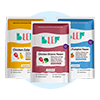
Every BLEP dog food recipe leads with a named animal protein, is gluten-free, and carries no preservatives, added sugar, or fillers. Three that suit the breed well:
-
Chicken Pumpkin: Chicken Pumpkin combines chicken, pumpkin, eggs, sweet potato, carrot, spinach, flax seeds, and fish oil, with no cereal grain
-
Chicken Rice: Chicken Rice uses chicken with Ponni rice, green peas, turnip, and cauliflower, a straightforward and familiar recipe for dogs used to rice at home
-
Lamb Blueberry: Lamb Blueberry uses lamb and lamb liver with blueberries and vegetables, and no poultry, useful if chicken does not agree with your dog
The meal-sized packs make two measured meals a day easy to keep to, which matters for this breed more than any single ingredient does. And BLEP meals pair well with home-cooked rice or quinoa if you want to build a fuller bowl more affordably.
Browse German Shepherd food, or start with a trial pack to see which recipe your dog takes to.
What to avoid with a German Shepherd's diet and routine

-
One large meal a day: The single easiest habit to change for this breed
-
High-filler formulas: Corn gluten, soy, and wheat bulk doing the work meat should do
-
Foods without a named protein source: If the label cannot say which animal, it is not telling you enough
-
Frequent recipe switches: A sensitive gut does better with consistency
-
Heavy exercise straight after a full meal: A common precaution for deep-chested breeds
Why German Shepherds need a considered diet
Three traits shape how a German Shepherd should be fed:
-
Working dogs by design: Bred for sustained herding and guarding work, most carry more energy than their daily routine uses. Portions need to match the life the dog actually lives, not the one the breed was built for
-
A deep chest: The Merck Veterinary Manual lists German Shepherd Dogs among the breeds at risk of gastric dilatation-volvulus, a life-threatening twisting of the stomach commonly called bloat
-
Sensitive digestion: Loose stools and food reactions come up often enough with this breed that consistency in the bowl is worth protecting
The health conditions themselves, including hip and elbow dysplasia and degenerative myelopathy, are covered in common health problems in German Shepherds.
How to feed a German Shepherd, not just what

Bloat risk is influenced by genetics and chest shape, which you cannot change, and by some feeding habits, which you can. The evidence behind each habit is uneven, so here it is at the strength it actually has.
Split the day into two meals
A study of diet-related risk factors in high-risk breeds, published in JAAHA, found dogs fed a larger volume of food per meal were at significantly increased risk of bloat. Two measured meals keep each portion smaller than one daily feed. For an adult German Shepherd, morning and evening is the simplest routine to keep.
Keep the bowl at floor level
Raised feeders are often sold as a bloat precaution. In a prospective study of 1,637 large and giant breed dogs, reported in JAVMA, a raised feeding bowl was associated with increased bloat risk, with roughly 20% of cases in large-breed dogs attributed to it. German Shepherds were not among the breeds studied, so treat this as evidence from comparable dogs rather than proof for this one. That is still a good reason not to buy the raised stand.
Slow the eating if you can
A dog that inhales dinner in 40 seconds swallows air with it. Here the evidence is genuinely mixed: an evidence review from RCVS Knowledge found most studies showed no effect of eating speed on bloat risk, though where an effect appeared, fast eating was the risk. A slow feeder costs little and does no harm, which is argument enough.
Know the warning signs
Unproductive retching, a swollen or tight belly, restlessness, and drooling after a meal can signal bloat. Treat it as an emergency and go straight to a vet rather than waiting to see if it passes.
How much to feed a German Shepherd by age
German Shepherds vary more by sex than people expect. Adult females often sit around 22 to 32kg and males around 30 to 40kg, so a single breed chart will overfeed a small female and underfeed a large male.
|
Age |
Typical weight |
Feeding approach |
|
Puppy, 2 to 6 months |
10 to 25kg |
Three to four small meals a day, portioned by current weight |
|
Adolescent, 6 to 18 months |
20 to 35kg |
Moving to two meals a day, still on growth feeding |
|
Adult, 18 months onwards |
22 to 40kg |
Two measured meals a day, adjusted to activity |
Exact grams depend on your dog's weight, age, and activity level, so the diet calculator gives a more accurate starting portion than any chart can. From there, adjust by body condition: ribs easy to feel under a light covering, a visible waist from above.
The feeding guidelines cover how to transition food over nine days.
When to move a puppy onto adult feeding
German Shepherds are a large breed, and large breeds keep growing well past their first birthday. Most stay on growth-appropriate feeding until somewhere between 12 and 18 months. Growth should be steady rather than fast. A lean, slowly filling-out puppy is doing better than a heavy one, and extra calcium supplements on top of a complete diet are best avoided unless your vet asks for them.
Feed the dog in front of you
German Shepherds are built for work, carried on a deep chest, and often blessed with a delicate stomach. None of that calls for a special formula. What it calls for is good food, measured into two meals, from a bowl on the floor.
Max taught us that what goes in the bowl can change a dog's whole life. Your Shepherd deserves the same care. Find a starting portion for their weight and age with the diet calculator, and if you want a second opinion, you can reach our pet nutritionist over WhatsApp through our contact page.
Frequently Asked Question
How much protein does a German Shepherd need?
The answer depends on age, weight, and activity, with puppies and working dogs needing more. Our German Shepherd protein guide covers the full details.
Can German Shepherds eat the same food as other breeds?
Yes. A complete, balanced food with good ingredients suits German Shepherds well, and BLEP's recipes are built to fit. What changes for this breed are portion size, meal frequency, and paying attention to bloat-related feeding habits.
When should I switch a German Shepherd puppy to adult food?
Usually between 12 and 18 months, as growth slows. Switch gradually over nine days rather than overnight.
Should I use a raised bowl for my German Shepherd?
Evidence from large and giant breed dogs has associated raised bowls with higher bloat risk, so a floor-level bowl is the safer default. Ask your vet if your dog has a specific medical reason to eat elevated.
How many times a day should I feed an adult German Shepherd?
Twice. Two measured meals keep each portion smaller, which suits a breed at risk of bloat.
My German Shepherd has frequent loose stools. Is it the food?
Possibly, since the breed is prone to digestive sensitivity, but it could be several things. Keep the diet consistent, change food only gradually, and see a vet if it persists beyond a few days.
Resources
-
Merck Veterinary Manual, Gastric Dilation and Volvulus in Small Animals: breeds at risk, including German Shepherd Dogs
-
Raghavan et al., Diet-related risk factors for gastric dilatation-volvulus in dogs of high-risk breeds, JAAHA, 2004: larger meal volume and bloat risk
-
Glickman et al., Non-dietary risk factors for gastric dilatation-volvulus in large and giant breed dogs, JAVMA, 2000: raised feeding bowls and eating speed in 1,637 dogs
-
RCVS Knowledge, Are dogs that eat quickly more likely to develop gastric dilatation-volvulus?, Veterinary Evidence: review of evidence on eating speed
Looking to explore more tips on how to look after your furry friend? Check out our other guides like Can Dogs Eat Apples?, Can Dogs Eat Blueberries?, Dog Food for Weight Loss, Raw v/s cooked meat for dogs, Home Remedies to cure tick fever, Finding Good Dog Food in India, How many times should I feed my dog?, Things you should do to keep your pet healthy, Types of Dog Food, How Prebiotics and Probiotics can improve your dog's digestion, Essential Tips for a New Dog Parent, and others. Each guide is designed to help you make better food and care choices for your dog, to keep them happy, healthy, and thriving.