






Key Takeaways
- Most shedding is normal, and it rises around the seasonal change of coat in October and November.
- A dull, brittle coat is often the first visible sign that a diet is falling short.
- Protein builds the coat, and omega-3 and omega-6 fatty acids keep it soft and shiny.
- Bald patches, constant itching, or thinning in a symmetrical pattern are not normal shedding and need a vet.
- Food fixes a diet-related dull coat slowly, over a full growth cycle, so judge it at six weeks rather than six days.
A dog that leaves a drift of hair on the sofa is usually a healthy dog, not a sick one.
Shedding worries pet parents more than almost any other everyday thing, and most of that worry is misplaced. Dogs shed because hair has a life cycle, and that cycle speeds up as the weather turns.
The real skill is telling ordinary shedding apart from the kind that signals a problem, and knowing what on the plate actually builds a better coat. Dog shedding and coat health come down to three questions: what is normal, what to feed, and when the shedding is trying to tell you something. Here is each in turn.
Why Dogs Shed, and Why It Peaks in Autumn

Shedding is simply old hair being replaced by new. The Merck Veterinary Manual describes it as a normal part of hair replacement, and notes that shedding without bald patches is likely nothing to worry about.
What changes throughout the year is the pace. Many dogs go through a heavier change of coat as the seasons turn, and in India that often lands in October and November as the weather shifts after the monsoon.
A sudden rise in loose hair during these weeks is usually the seasonal cycle doing its job, not a warning sign. Indoor dogs under fans and artificial light can shed a little year-round, which is also normal.
What a Dull Coat Is Telling You
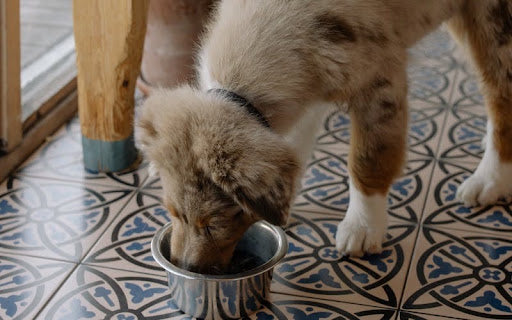
A healthy coat is glossy, soft, and sits flat. A dull, dry, or brittle coat is one of the first places a poor diet shows up, because the body treats the coat as a low priority when nutrients are short.
The coat is built almost entirely from protein, so the quality of the protein in the bowl matters more here than almost anywhere else. Merck lists protein deficiency as a specific cause of poor hair growth. A diet padded out with cheap cereal filler, with little named meat, leaves less of the raw material a coat is made from. A dull coat on a dog eating a low-meat food is often the bowl showing on the body.
What to Feed for a Healthy Coat

The best food for a dog's coat in India is not a single miracle ingredient but a complete, balanced diet, built from a few specific nutrients that a good fresh bowl covers together.
- Named Animal Protein: The coat is mostly protein, so a food that leads with real meat gives it the amino acids to grow
- Omega-3 Fatty Acids: A 2020 trial in Prostaglandins, Leukotrienes and Essential Fatty Acids found that an omega-3 supplement improved coat quality in dogs with poor coats. Oily fish is the richest natural source
- Omega-6 Fatty Acids: These work alongside omega-3 to keep the skin barrier intact and the coat soft, and they come from animal fats and some plant oils
- Overall Diet Quality: A complete, balanced food beats piling on one nutrient, since a coat needs the whole picture rather than a single supportive ingredient.
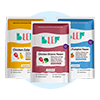
BLEP's fish-based recipe, Fish Beans, is built around mackerel, which carries the omega-3 fatty acids a coat thrives on. Many dogs are not keen on fish, and the chicken recipes work just as well here, since they lead with protein and protein is the foundation a coat is built on. Chicken Pumpkin is one example.
For more on the oils that matter, our page on fish oil versus seed oils for dogs explains the difference, and how diet affects a dog's coat covers the nutrition in more depth.
When Shedding Means See a Vet
Normal shedding is even and leaves a full coat behind. The signs below are different, and they are worth a veterinary visit rather than a wait.
- Bald Patches or Thinning Skin: Loss that leaves visible skin is not ordinary shedding
- Symmetrical Hair Loss: Thinning in a matching pattern on both sides can point to a hormonal problem such as hypothyroidism, which Merck lists among the causes
- Constant Scratching, Licking, or Chewing: Itching that drives hair loss usually traces to parasites or an allergy
- Red, Flaky, or Smelly skin: Inflammation, scaling, or discharge suggests a skin infection underneath
- Shedding with other changes: Weight gain, low energy, or a change in appetite alongside a poor coat is a reason to call sooner
For a dog whose coat problems come with itching or skin flare-ups, the best food for dogs with skin allergies is a useful read while you arrange a vet check for complete clarity.
How Long a Coat Takes to Turn Around

A coat that has gone dull on a poor diet does not bounce back overnight, because a coat grows on its own slow schedule. A full change can take four to six weeks to show, and sometimes a whole growth cycle of several months.
So judge a food change at six weeks, not six days. Steady improvement over that window is the sign the diet is working, and it is the same patience any real coat change asks for.
How BLEP Supports a Healthy Coat
A healthy coat is mostly a by-product of a genuinely good diet, which is where BLEP starts. Every recipe leads with named, human-grade meat and skips the cheap cereal filler that leaves less room for the protein a coat needs, under the Nothing Else Promise: what the label says is inside, and nothing else.
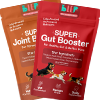
For a dog that needs an extra hand, SUPER Coat Care is BLEP's skin and coat soft chew, built to support coat health alongside a good bowl, and one of the daily supplements developed from what thousands of pet parents reported about their own dogs. Start it alongside the food, and give it the same six weeks to show.
A Shiny Coat Starts in the Bowl

Most shedding is the body doing exactly what it should, especially through the autumn change of coat. The coat you want is built mainly from good protein and the right fats, fed steadily over weeks.
Watch for the shedding that breaks the pattern, bald patches, itching, or thinning on both sides, and treat those as a vet visit rather than a feeding tweak. Everything else usually comes with a better bowl, some targeted coat support and a little patience.
Related Reads and Help
A coat is fed as much by the right fats as by protein, so a good next read is the best oils for dogs and where they fit in the bowl. To put it into practice, start small with a dog food trial pack.
For help matching a food to your own dog's coat and condition, talk to our team over WhatsApp and our pet nutritionist will walk you through it.
Frequently Asked Questions
Why is my dog shedding so much?
Most heavy shedding is the normal seasonal change of coat, which often peaks in October and November in India. As long as the coat stays full and the skin looks healthy, it is usually nothing to worry about. Shedding that leaves bald patches or comes with itching is different and worth a vet visit.
My dog has a dull coat and is shedding a lot. What should I do?
Start with the diet, since the coat is built mostly from protein and healthy fats. A food that leads with named meat and carries omega-3 fatty acids gives a coat what it needs. Give any change about six weeks to show. If the coat is patchy, itchy, or the skin looks inflamed, see a vet.
What food is best for a dog's coat?
A complete, balanced food that leads with real meat and includes omega-3 fatty acids from oily fish. The coat is mostly protein, so protein quality matters most, with omega-3 and omega-6 fats keeping it soft and shiny. No single ingredient does it alone.
Does fish oil help a dog's coat?
Yes, it can. A 2020 trial found an omega-3 supplement improved coat quality in dogs with poor coats, and oily fish is the richest natural source of those fats. A fish-based recipe or a coat supplement are both ways to get them in.
How long does it take to improve a dog's coat with food?
About four to six weeks to start showing, and sometimes a full growth cycle of several months. A coat grows on its own slow schedule, so judge a food change at six weeks rather than six days.
When is shedding a sign of something serious?
When it leaves bald patches, thins symmetrically on both sides, or comes with constant itching, red or flaky skin, or changes in weight, energy, or appetite. Those point to causes like parasites, allergies, or a hormonal problem such as hypothyroidism, and need a vet.
Looking to explore more tips on how to look after your furry friend? Check out our other guides like Can Dogs Eat Apples?, Can Dogs Eat Blueberries?, Dog Food for Weight Loss, Raw v/s cooked meat for dogs, Home Remedies to cure tick fever, Finding Good Dog Food in India, How many times should I feed my dog?, Things you should do to keep your pet healthy, Types of Dog Food, How Prebiotics and Probiotics can improve your dog's digestion, Essential Tips for a New Dog Parent, and others. Each guide is designed to help you make better food and care choices for your dog, to keep them happy, healthy, and thriving.
Resources
- Merck Veterinary Manual, Hair Loss (Alopecia) in Dogs: normal shedding versus abnormal hair loss, and causes including protein deficiency and hypothyroidism
- Combarros et al., A Prospective, Randomized, Double-Blind, Placebo-Controlled Evaluation of an n-3 Essential Fatty Acids Supplement in Dogs With Poor Quality Coats, Prostaglandins, Leukotrienes and Essential Fatty Acids, 2020: omega-3 supplementation and measured coat quality improvement