







Key Takeaways:
-
Gluten-free means no wheat, barley, or rye. Grain-free means no cereal grains at all, including rice.
- A food can be gluten-free and still contain grain, which is where most of the confusion starts.
- The FDA heart-disease reports centred on diets high in peas, lentils, and other pulses, not on the absence of grain by itself.
- No causal link has been established, and the FDA has said adverse event counts alone cannot prove one.
- BLEP is gluten-free rather than grain-free, and some recipes contain rice.
- When judging any label, what replaced the grain matters more than whether grain is there.
Two labels are used as if they mean the same thing. Gluten-free dog food and grain-free dog food are different claims, and the difference matters for anyone choosing food in India.
Gluten-free means the food contains no wheat, barley, or rye. Grain-free means the food contains no cereal grains at all, including rice, corn, and oats. A food can be gluten-free and still contain grain. Rice is the clearest example.
That distinction matters because of what happened when manufacturers started removing grain entirely.
What gluten-free dog food means

Gluten-free dog food is made without gluten-containing cereals: wheat, barley, and rye. Gluten is a protein group found in those grains. Removing it does not require removing every grain.
Most dogs digest gluten without difficulty. A larger number react to other proteins entirely, most often beef, dairy, or chicken. If your dog is itchy, gluten is rarely the first suspect worth testing.
Who gluten-free actually helps
Dogs with a confirmed wheat sensitivity benefit directly, as do dogs on an elimination trial removing wheat.
For everyone else, gluten-free is a neutral feature rather than a health upgrade. What the claim usefully signals is that wheat was not used as cheap bulk either. For more on spotting that, see our guide to reading a dog food label.
What grain-free dog food means, and why it became complicated
Grain-free dog food contains no cereal grains at all. The key point is that grain has to be replaced by something, and what replaced it turned out to matter. To hold a recipe together, many manufacturers turned to peas, lentils, chickpeas, and other legume seeds, often in quantity and high in the ingredient list.
What the FDA investigation found
In July 2018, the US Food and Drug Administration began investigating reports of dilated cardiomyopathy, a serious heart condition, in dogs eating certain diets. Many were labelled grain-free and carried a high proportion of pulses or potatoes among their main ingredients.
Reviewing products named in reports through April 2019, the FDA found that 93% contained peas and/or lentils, and more than 90% were grain-free. Cases appeared in breeds with no known genetic predisposition to the disease.
What has not been established
Conversely, no causal link has been proven. In December 2022, the FDA said it would not issue further updates until meaningful new scientific information emerged, noting that adverse event counts alone cannot establish causation.
So the honest summary is an unresolved signal, not a verdict. One proposed mechanism involves taurine, an amino acid important to heart muscle function, though that also remains under investigation.
The practical takeaway is narrower: the concern attaches to diets loaded with legume seeds, not to the absence of grain by itself.
Comparison: gluten-free, grain-free, and legume-heavy formulas
In summary, three different things are often sold under similar language.
|
Gluten-free |
Grain-free |
Legume-heavy grain-free |
|
|
Excludes wheat, barley, rye |
Yes |
Yes |
Yes |
|
Excludes rice, corn, oats |
No |
Yes |
Yes |
|
Main replacement ingredient |
Usually none needed |
Varies |
Peas, lentils, chickpeas, potato |
|
Featured in FDA DCM reports |
Not specifically |
Frequently |
Most frequently |
|
Useful for wheat sensitivity |
Yes |
Yes |
Yes |
Where BLEP sits, stated plainly

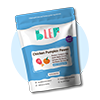
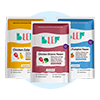
BLEP dog food is gluten-free. It is not marketed as grain-free, and some recipes do contain grain. That is a deliberate position, and worth being specific about.
Recipes that contain no cereal grain
Chicken Pumpkin and Chicken Broccoli use chicken, vegetables, eggs, flax seeds, and oils, with no cereal. Lamb Blueberry uses lamb and lamb liver with vegetables and blueberries.
Recipes that do contain grain
Chicken Rice contains Ponni rice. Rice is a grain; it is gluten-free, and it is there because it is digestible and useful, not because it is cheap volume.
On peas and legumes
Green peas appear in a few recipes, including Chicken Rice and Paneer Quinoa, as a vegetable rather than as protein-boosting bulk. That differs from a formula where pulses sit among the first few ingredients and carry much of the protein load. Several recipes also include added taurine, visible on the published ingredient lists.
Meat leads every recipe, and the full ingredient list for each is printed on its product page. Browse the range in fresh food for dogs or compare against what goes into ultra-processed dog food.
How to evaluate any label for this specific risk
The key point is to check position, not just presence. A pea in a recipe is different from peas running the recipe.
-
Read the first five ingredients. Meat should lead.
-
Count the pulses. Peas, pea protein, lentils, and chickpeas listed separately can add up to more than the meat.
-
Check for split ingredients. One pulse divided into three entries drops each further down the list.
-
Look for added taurine.
-
Ask what replaced the grain. A grain-free claim with no answer there is not reassuring.
For digestive trouble rather than a suspected grain issue, our guide to food for dogs with sensitive stomachs is the better starting point. For itching, start with why your dog is scratching.
Choose the bowl you can explain
You do not need to fear grain, and you do not need to chase grain-free. You need to know what is in the bowl and why.
Turn over the pack tonight and read the first five ingredients out loud. If you cannot say why each one is there, that is worth knowing before your dog eats another month of it.
If you want to see how a meat-led, gluten-free recipe eats before committing, start with a trial pack for dogs.
Frequently Asked Questions
Is gluten-free dog food the same as grain-free?
No. Gluten-free excludes wheat, barley, and rye. Grain-free excludes all cereal grains, including rice and corn. A gluten-free food can contain rice.
Is grain-free dog food safe for dogs?
No causal link between grain-free diets and heart disease has been established. The reported association involves diets high in peas, lentils, and other pulses. Discuss any diet change with your vet if your dog has a heart condition.
Does my dog need gluten-free food?
Only if wheat is a confirmed problem. Most dogs digest gluten without difficulty, and other proteins cause food reactions far more often.
Is rice bad for dogs?
No. Rice is a digestible, gluten-free grain and is commonly used in dog food and in veterinary bland diets. The question is whether it is serving a purpose or replacing meat.
What is taurine and why does it come up here?
Taurine is an amino acid important to heart muscle function. Its role in diet-associated heart disease in dogs is one proposed mechanism under investigation, not a settled explanation.
How do I know if a food is legume-heavy?
Read the first five to ten ingredients and count how many are pulses. If peas, pea protein, lentils, or chickpeas appear multiple times or sit above the meat, the formula leans on them.
Resources
-
US Food and Drug Administration, FDA Investigation into Potential Link between Certain Diets and Canine Dilated Cardiomyopathy: the 93% figure, investigation scope, and the December 2022 statement on causality
Looking to explore more tips on how to look after your furry friend? Check out our other guides like Can Dogs Eat Apples?, Can Dogs Eat Blueberries?, Dog Food for Weight Loss, Raw v/s cooked meat for dogs, Home Remedies to cure tick fever, Finding Good Dog Food in India, How many times should I feed my dog?, Things you should do to keep your pet healthy, Types of Dog Food, How Prebiotics and Probiotics can improve your dog's digestion, Essential Tips for a New Dog Parent, and others. Each guide is designed to help you make better food and care choices for your dog, to keep them happy, healthy, and thriving.