






Key Takeaways
- Gluten is a protein found in wheat, barley, and rye, and it reaches a dog's bowl mostly through cheap cereal fillers.
- Gluten-free dog food in India matters less as a cure and more as a signal that a food is not padded out with wheat in place of meat.
- True gluten sensitivity is uncommon in dogs, but real, and wheat is one of the recognised food allergens.
- Gluten-free is not the same as grain-free, and the two get confused constantly.
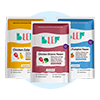
- Every BLEP dog food recipe is gluten-free and packed with named meat and other nutritious ingredients.
Most pet parents meet the phrase gluten-free on a pack long before they know what gluten is doing there in the first place.
That gap is worth closing, because gluten-free dog food in India is one of those labels that is genuinely useful once you understand it, and misleading if you do not. The label is not a magic health claim, and your dog is probably not sitting at home with a gluten problem. What it really tells you is something about the rest of the recipe, and that is the part worth paying attention to. Here is what gluten is, why gluten-free is a meaningful signal, and how to check that a food lives up to it.
What Gluten Actually Is in Dog Food
Gluten is a protein found in certain cereal grains, mainly wheat, barley, and rye. The protein is what makes dough stretchy, and it has no special nutritional value for a dog.
Gluten reaches a dog's bowl through the grains that carry it, and in pet food those grains are often there as cheap bulk. Wheat and wheat-based fillers pad out a recipe and lift the protein figure on paper, at a fraction of the cost of meat. The gluten is not added on purpose, but comes along with the wheat used to stretch the formula.
So the real question behind gluten-free is less about the gluten itself and more about what the gluten is a sign of.
Why Gluten-Free Matters, Even If Your Dog Seems Fine

Gluten-free earns its place for three separate reasons, and only one of them is about an allergy.
- It signals no cheap cereal filler: A food built without wheat has to fill the bowl with something else, usually more meat, veggies and other nutritious ingredients. The absence of wheat filler is the quiet benefit most buyers miss
- Some dogs are genuinely gluten-sensitive: A wheat-sensitive enteropathy has been documented in Irish Setters, a gut condition tied to wheat in the diet, breed-linked and uncommon but real
- Wheat is a recognised allergen: The Merck Veterinary Manual lists wheat among the most common food allergens in dogs, alongside beef, dairy, chicken, and lamb
None of this means every dog needs gluten-free food. The label simply points to a cleaner recipe and removes an ingredient that a minority of dogs genuinely react to.
Gluten-Free Is Not the Same as Grain-Free
The confusion is worth clearing up, because the two terms get used as if they mean one thing, when they do not.
Gluten-free means no wheat, barley, or rye, the grains that carry gluten. Grain-free means no grains at all, including rice, which contains no gluten to begin with. The two labels answer different questions. A food can be gluten-free and still include a wholesome grain like rice, or it can be fully grain-free, and both can be excellent choices. What matters is knowing which one is in front of you rather than assuming the words mean the same thing.
The takeaway is simple: the two labels are not interchangeable, so it is worth knowing which one a food is claiming and why. Our fuller guide to gluten-free versus grain-free dog food works through the difference in detail.
Does Your Dog Need Gluten-Free Food?

For most dogs, grains are not a problem, and a dog eating a balanced food with rice is doing fine. True gluten sensitivity is uncommon, so gluten-free is rarely a medical necessity.
Where it earns its keep is as a quality marker and a safeguard. A gluten-free recipe tends to be one that spends its budget on meat rather than wheat. For a dog with a diagnosed sensitivity, recurring itching, or a stubborn stomach, removing wheat is a sensible thing to try under veterinary guidance.
If your dog shows signs of a food reaction, our pages on why dogs get food allergies and whether food causes itching in dogs are a good place to start, and a sensitive-stomach food can help while you work it out with a vet.
How to Tell If a Dog Food Is Gluten-Free
A label will not always say gluten-free in big letters, so it helps to know what to scan for.
- Named Culprits: Wheat, wheat flour, wheat gluten, barley, and rye all carry gluten
- Vague Cereal Terms: Catch-all phrases like cereals, cereal by-products, or cereal derivatives can hide wheat, so a vague label is itself a warning
- What a Clean Label shows instead: A named meat first, and any grain named plainly, such as rice
- The honest brands say so: A gluten-free food will usually state it clearly rather than leave you guessing
You can look at this page to get a checklist of things to watch out for when buying dog food: how to read a dog food label in India.
Is BLEP Dog Food Gluten-Free?

BLEP's whole approach is telling you exactly what is in the bowl, so gluten-free is not a marketing badge here but a plain fact of the recipe, and one of the four pillars of the Nothing Else Promise, alongside 100% natural ingredients, zero added sugar, and zero preservatives. Every recipe is free of wheat, barley, and rye.
Being transparent also means explaining the choices. Every BLEP recipe is gluten-free, and most are grain-free as well. The one exception, Chicken Rice, uses rice as a gentle, digestible carbohydrate rather than wheat. Either way, the result is honest food: named meat leading every recipe, any grain chosen on purpose and used in the right proportion, and nothing hidden behind a vague label.
If you want to see how your dog takes to it, a dog food trial pack is the simplest start. Ready to switch? Find the best dog food in India across every recipe
Is Gluten-Free Dog Food Worth It?

Gluten-free is not a cure, and it is not a gimmick. The label is a useful signal that a food skipped the cheap wheat filler, with a genuine benefit for the minority of dogs that react to wheat.
Read it for what it tells you about the whole recipe, keep it separate from grain-free in your head, and it becomes one of the more honest claims on an Indian pet food shelf.
Related Reads and Help
Gluten-free is one piece of a good recipe, so the natural next step is understanding what a complete and balanced dog food actually needs to contain.
For help working out what suits your own dog, talk to our team over WhatsApp and our pet nutritionist will walk you through it.
Frequently Asked Questions
What are some good gluten-free dog food options in India?
Look for a food that names a meat first, names any grain plainly such as rice, and states that it is free of wheat, barley, and rye. Avoid vague cereal terms that can hide wheat. BLEP's recipes are gluten-free across the range, using rice rather than wheat, so they are a sensible starting point for gluten-free dog food options in India.
What is gluten in dog food?
Gluten is a protein found in wheat, barley, and rye. In pet food, it usually arrives through wheat used as a cheap filler to bulk out a recipe. Gluten has no special nutritional value for a dog, so a food loses nothing by leaving it out.
Does my dog need gluten-free food?
Most dogs tolerate grains well, so gluten-free is rarely a medical must. The label still matters as a marker of a cleaner recipe, and it genuinely helps the minority of dogs with a wheat sensitivity. For a diagnosed problem, change the diet under veterinary guidance.
Is gluten-free dog food the same as grain-free?
No. Gluten-free means no wheat, barley, or rye. Grain-free means no grains at all, including rice, which has no gluten anyway. A food can be gluten-free and still contain rice, which is why the two should not be treated as the same thing.
Is gluten-free dog food better for dogs?
Better in the sense that it avoids cheap wheat filler, which usually means more of the budget went to meat. Gluten-free is not automatically healthier for a dog with no sensitivity, so judge the whole recipe rather than the single claim.
Can wheat cause allergies in dogs?
Yes. The Merck Veterinary Manual lists wheat among the most common food allergens in dogs, alongside beef, dairy, chicken, and lamb. A wheat-sensitive gut condition has also been documented in Irish Setters, so wheat sensitivity, while uncommon, is real.
Looking to explore more tips on how to look after your furry friend? Check out our other guides like Can Dogs Eat Apples?, Can Dogs Eat Blueberries?, Dog Food for Weight Loss, Raw v/s cooked meat for dogs, Home Remedies to cure tick fever, Finding Good Dog Food in India, How many times should I feed my dog?, Things you should do to keep your pet healthy, Types of Dog Food, How Prebiotics and Probiotics can improve your dog's digestion, Essential Tips for a New Dog Parent, and others. Each guide is designed to help you make better food and care choices for your dog, to keep them happy, healthy, and thriving.
Resources
- Hall and Batt, Development of Wheat-Sensitive Enteropathy in Irish Setters, American Journal of Veterinary Research, 1990: a documented wheat-sensitive gut condition in a dog breed
- Merck Veterinary Manual, Overview of Food Allergy: wheat listed among the most common food allergens in dogs
- Mueller and Olivry, Critically Appraised Topic on Adverse Food Reactions: Common Food Allergen Sources in Dogs and Cats, BMC Veterinary Research, 2016: the food ingredients most often linked to allergic reactions in dogs
- US Food and Drug Administration, FDA Investigation into Potential Link between Certain Diets and Canine Dilated Cardiomyopathy: the grain-free and legume-heavy diet concern, kept separate from gluten-free